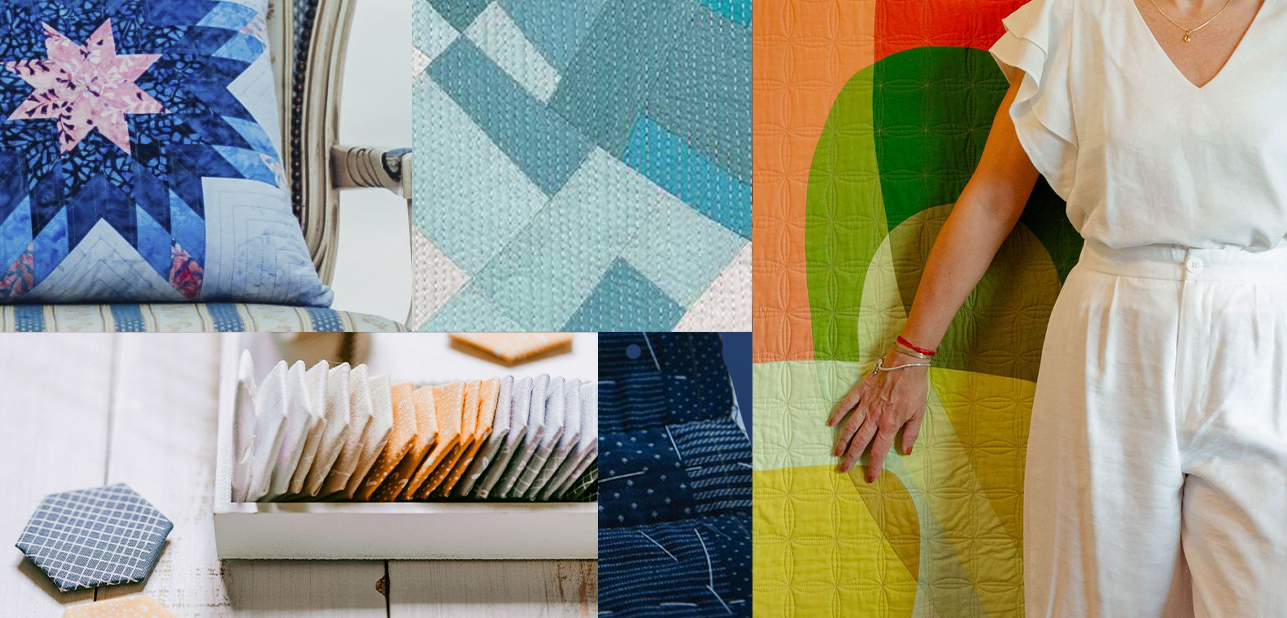
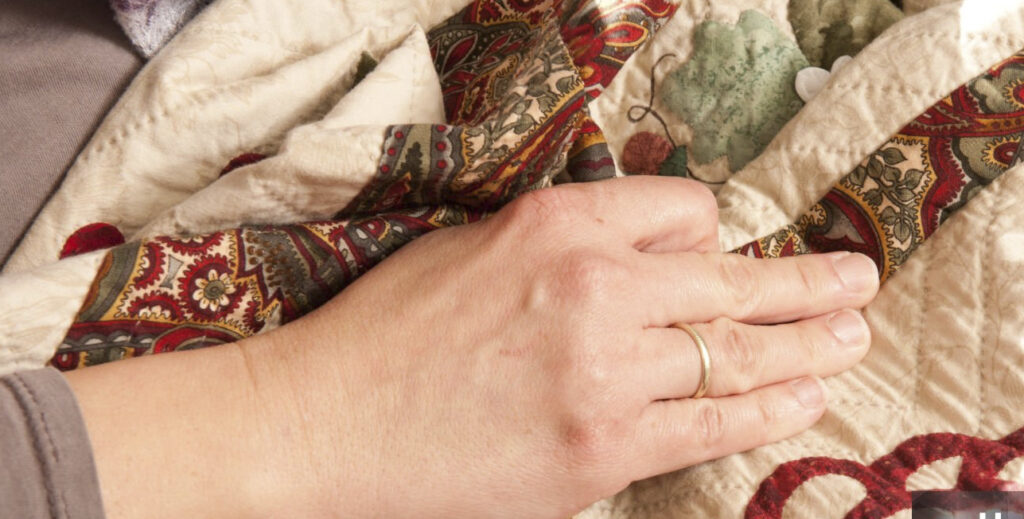
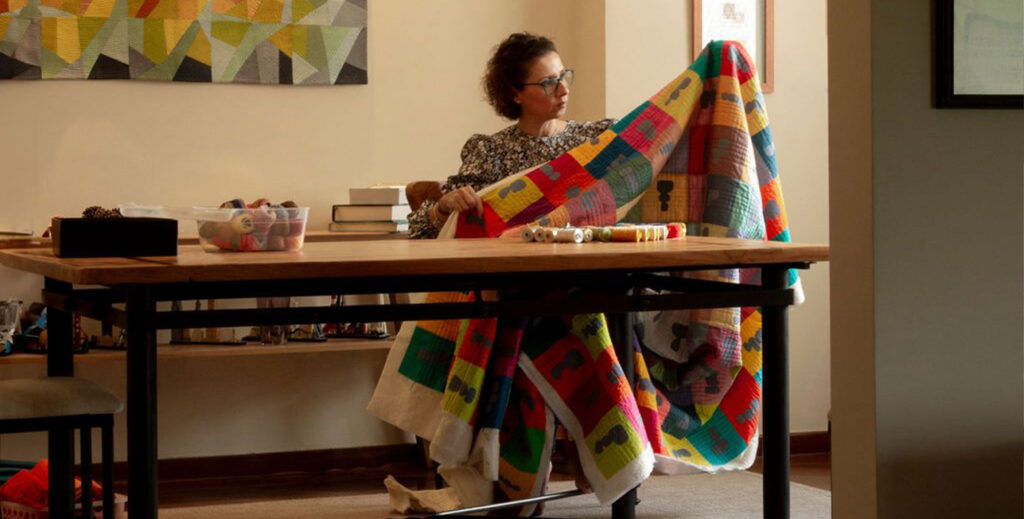
Quilting is a delightful journey where imagination meets the tactile world of fabrics and threads. For those seeking a fresh spark of inspiration, quilt prompts can be an incredible tool to kickstart creativity. Whether it’s exploring vibrant color palettes, experimenting with different quilt sizes, or delving into emotional quilt themes, there’s a world of creative quilt ideas waiting to be explored. In this post, we’ll explore ten inspiring quilt prompts designed to ignite your passion and guide you through the exciting process of crafting unique quilt designs. From playful and colorful quilts to thought-provoking emotional quilt prompts, these ideas are perfect for quilters looking to infuse their projects with new and exciting elements. For even more inspiration, check out this collection of creative prompts for quilt inspiration .
Vibrant Color Combinations
Color is the heart of any quilt, setting the mood and bringing your design to life. Let’s explore some exciting color combinations to inspire your next project.
Bold and Bright Hues
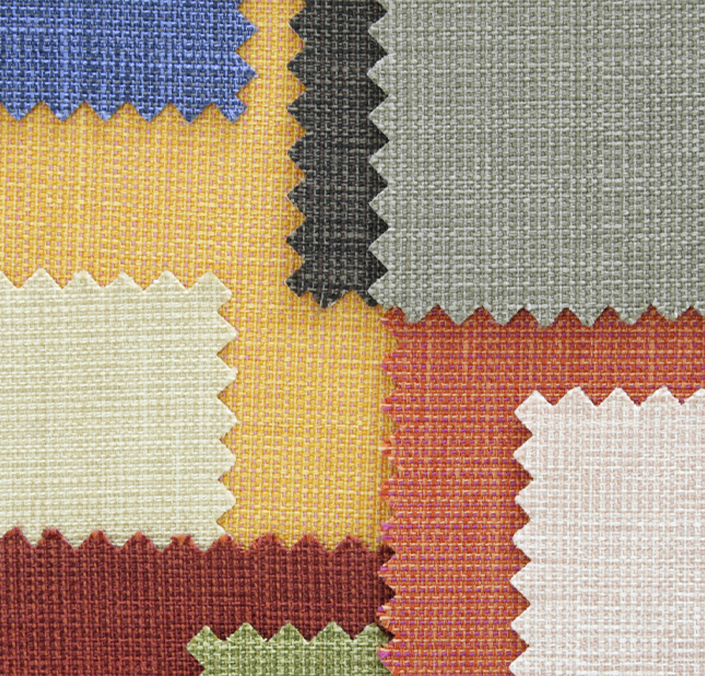
Bold and bright colors can transform your quilt into a stunning work of art. These vibrant hues catch the eye and create a sense of energy and excitement.
Start by selecting a primary color as your base, then add complementary shades to create contrast. For example, pair deep blues with sunny yellows or fiery reds with cool greens.
Consider using a color wheel to find unexpected combinations that pop. Don’t be afraid to mix patterns and prints within your chosen palette for added visual interest.
Remember, balance is key. Use neutral tones or white space to give the eye a rest and prevent your quilt from becoming overwhelming.
Soft Pastels for Serenity
Soft pastels can create a soothing and tranquil atmosphere in your quilt designs. These gentle hues are perfect for baby quilts, bedroom decor, or any project meant to evoke a sense of calm.
Choose a palette of light pinks, baby blues, mint greens, and pale yellows. These colors work well together and can be mixed and matched with ease.
To add depth to your pastel quilt, incorporate different shades and tints of your chosen colors. This subtle variation will keep the design interesting without disrupting the overall serene feel.
Consider adding white or cream fabrics to your pastel quilt. These neutral tones can help brighten the soft colors and create a fresh, airy look.
Monochrome Magic
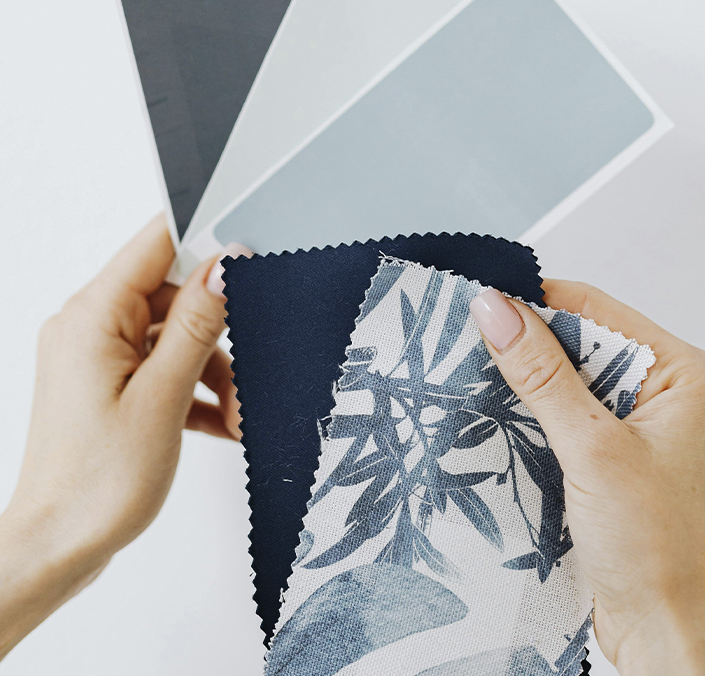
Monochrome quilts offer a sophisticated and modern approach to color design. By focusing on a single color family, you can create a cohesive and impactful quilt.
Start by choosing your main color, then select fabrics in various shades and tints of that hue. For example, a blue monochrome quilt might include navy, royal blue, sky blue, and pale blue fabrics.
Incorporate different textures and patterns within your chosen color to add visual interest. Solids, prints, and even metallic fabrics can all work together in a monochrome design.
Don’t forget to include some neutral tones, like white or gray, to provide contrast and prevent the quilt from feeling flat or one-dimensional.
Emotional Quilt Prompts
Quilts can be powerful tools for expressing and processing emotions. Let’s explore how to infuse your quilts with different feelings and experiences.
Capturing Joy and Happiness
Creating a quilt that captures joy and happiness can be a uplifting experience. These quilts often feature bright colors, playful patterns, and meaningful symbols.
Start by reflecting on what brings you joy. Is it a favorite memory, a beloved hobby, or time spent with loved ones? Use these ideas as inspiration for your quilt design.
Incorporate cheerful colors like yellows, oranges, and pinks. Consider using fabric with fun prints or motifs that make you smile.
Add personal touches that represent happiness to you. This could be appliqued shapes, embroidered words, or even photos transferred onto fabric.
Remember, the process of creating should be joyful too. Don’t stress over perfection – let your quilt be a celebration of happiness in all its forms.
Reflecting on Loss and Grief
Quilting can be a therapeutic way to process loss and grief. Creating a memorial quilt allows you to honor loved ones and work through difficult emotions.
Begin by gathering meaningful fabrics. These could be clothing items from the person you’re remembering, or fabrics that remind you of them.
Consider incorporating personal mementos into the quilt design. Photos, handwritten notes, or small objects can be added using special techniques or clear pocket squares.
Choose a color palette that reflects the person or experience you’re honoring. This might be their favorite colors or hues that evoke certain memories.
As you work on the quilt, allow yourself to feel and process your emotions. The act of creating can be healing, helping you to remember and celebrate the life of your loved one.
Celebrating Love and Connection
A quilt celebrating love and connection can be a beautiful gift or a cherished family heirloom. These quilts often incorporate symbols of love and unity in their design.
Start by brainstorming symbols that represent love to you. Hearts, interlocking rings, or even specific flowers can all be powerful motifs.
Consider using fabrics that hold special meaning. This could be scraps from a wedding dress, baby clothes, or other significant garments.
Incorporate names, dates, or meaningful phrases into your quilt design. These can be added through applique, embroidery, or even fabric printing techniques.
Don’t forget to involve loved ones in the process. Gathering fabric contributions or design ideas from family members can make the quilt even more special and meaningful.
Inspiration from Nature
Nature provides endless inspiration for quilt designs. Let’s explore how to incorporate natural elements into your quilts.
Floral and Fauna Themes
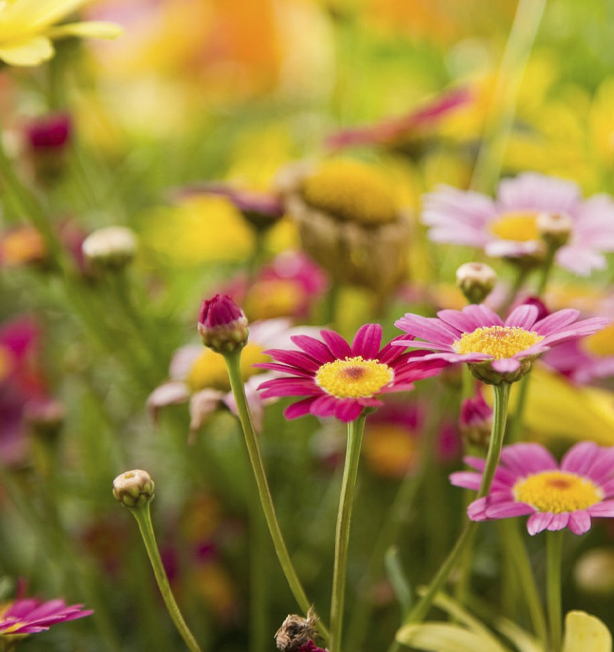
Floral and fauna themes bring the beauty of the natural world into your quilts. These designs can range from realistic representations to stylized interpretations.
Start by choosing your subject. This could be a favorite flower, a beloved pet, or a specific ecosystem like a coral reef or forest.
Consider using applique techniques to create detailed floral or animal shapes. This allows for intricate designs and realistic textures.
Experiment with color to capture the vibrancy of nature. Don’t be afraid to use bold hues or unexpected color combinations inspired by real plants and animals.
Think about the scale of your design. A single large flower might make a striking focal point, while a repeating pattern of smaller animals could create an interesting overall texture.
Remember, you don’t have to be literal. Abstract interpretations of natural forms can be just as beautiful and allow for more creative freedom.
Landscapes and Seascapes
Landscape and seascape quilts allow you to capture the beauty of natural vistas in fabric form. These quilts often have a painterly quality and can be quite striking.
Begin by selecting a scene to recreate. This could be a favorite vacation spot, a local landmark, or an imaginary landscape.
Consider using a variety of techniques to create depth and texture. Piecing can create geometric shapes for mountains or waves, while applique might be used for trees or clouds.
Think about the time of day or season you want to depict. This will influence your color choices and the overall mood of the quilt.
Don’t forget about the foreground, middle ground, and background. Creating these distinct areas will give your landscape quilt a sense of depth and realism.
Experiment with different fabrics to create various effects. Batiks can create a watercolor look, while textured fabrics might represent rough terrain or choppy water.Seasons and Weather Patterns
Quilts inspired by seasons and weather patterns can capture the changing moods of nature throughout the year.
Choose a specific season or weather condition as your theme. This could be the vibrant colors of autumn, the stark beauty of winter, or the drama of a thunderstorm.
Use color to evoke the feeling of your chosen season or weather. Cool blues and whites for winter, warm reds and oranges for autumn, or dark grays and purples for a stormy sky.
Incorporate symbolic elements that represent your theme. Snowflakes for winter, leaves for autumn, or raindrops for a spring shower can all be effective motifs.
Consider the overall composition of your quilt. A gradual color change from top to bottom could represent the transition from sky to ground, or the passage of time during the day.
Don’t forget about texture. Different fabric choices can represent various weather conditions, like smooth silks for calm days or rough textures for stormy weather.
Creative Quilt Ideas
Let’s explore some unique approaches to quilting that can help you express your creativity in new ways.
Storytelling Through Quilts
Quilts have a long history as storytelling devices, from traditional album quilts to modern narrative designs. Creating a story quilt allows you to share personal experiences or important events through fabric.
Start by outlining your story. What key events or elements do you want to include? Consider creating a storyboard to plan your quilt’s layout.
Choose a style that fits your narrative. Pictorial blocks might work well for literal storytelling, while abstract designs could represent emotions or concepts.
Incorporate text into your quilt if desired. This could be done through applique, embroidery, or even fabric printing techniques.
Think about the order of your story elements. Will your quilt read from left to right, top to bottom, or in a circular pattern? This can influence how viewers interpret your narrative.
Don’t forget about symbolism. Colors, patterns, and motifs can all carry deeper meanings that enhance your story.
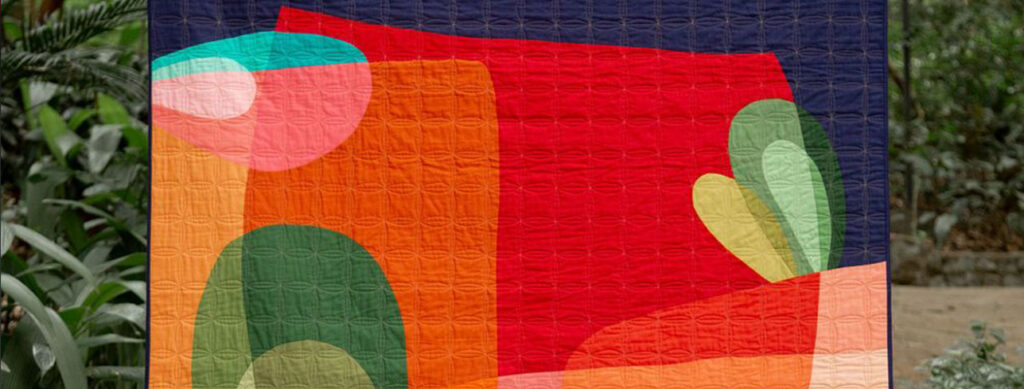
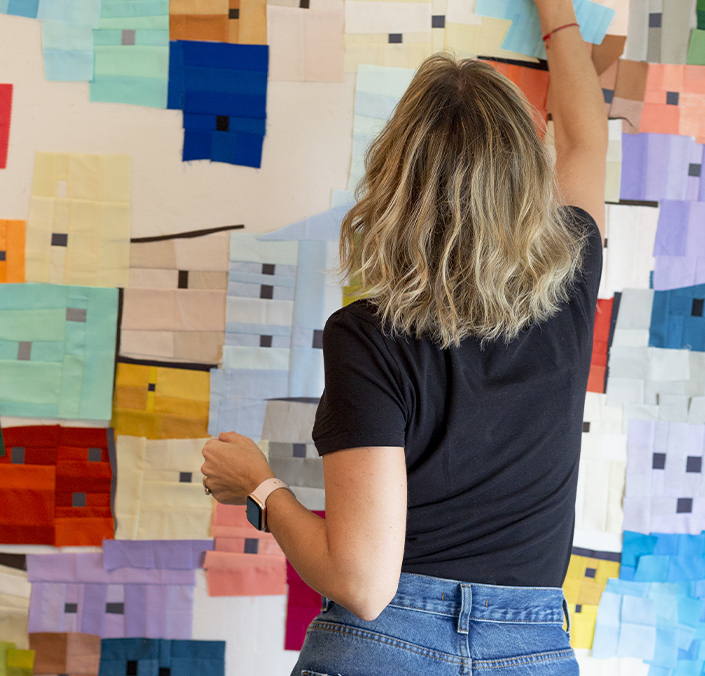
Abstract quilts allow for unlimited creativity, focusing on color, shape, and composition rather than representational images.
Begin by choosing a theme or concept to explore. This could be an emotion, a mathematical concept, or simply a color study.
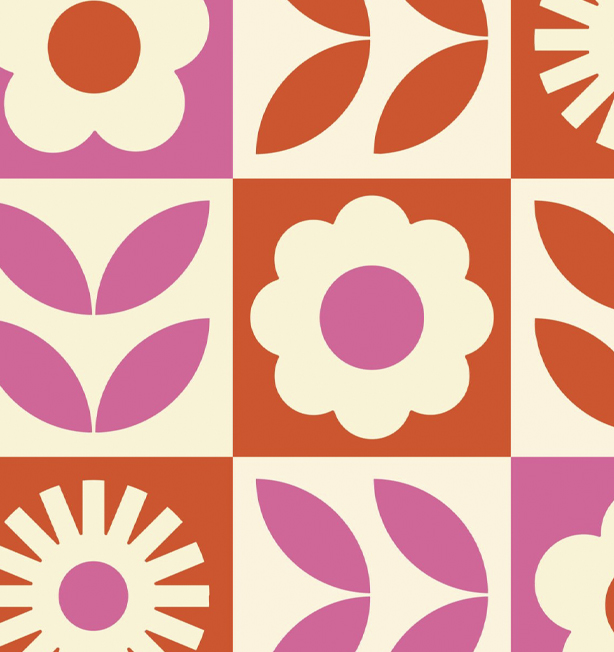
Experiment with different shapes and how they interact. Geometric shapes like triangles and squares can create interesting patterns, while curved shapes can add softness and movement.
Consider the balance of your composition. How do different elements draw the eye across the quilt? Are there areas of high contrast or calm?
Play with scale. Mixing large and small elements can create depth and visual interest in your abstract design.
Don’t be afraid to break the rules. Abstract quilts are all about personal expression, so feel free to experiment with unconventional techniques or materials.
Incorporating Personal Memories
Memory quilts are a beautiful way to preserve and celebrate personal or family history. These quilts can incorporate a wide range of personal items and mementos.
Start by gathering materials. This could include clothing, photographs, letters, or other meaningful items.
Consider how to incorporate these items into your quilt. Clothing can be cut into traditional quilt blocks, while photos can be printed onto fabric or enclosed in clear vinyl pockets.
Think about the overall design. Will you use a traditional block pattern, or create a more free-form layout? The design should complement and showcase your memory items.
Include written elements if desired. Names, dates, or short phrases can add context and meaning to your memory quilt.
Remember that the process of creating a memory quilt can be emotional. Take your time and allow yourself to reflect on the memories you’re preserving.
To further spark your creativity, consider trying this 30-day quilting challenge or explore these art quilt prompts. Remember, the key to finding inspiration is to keep exploring and experimenting. Happy quilting!
Exploring different textures and fabrics can add depth and interest to your quilts. Let’s dive into how you can incorporate these elements into your designs.
Mixing Textures for Depth
Combining various textures can create a tactile experience that adds depth to your quilt.
Choose contrasting fabrics: Pair smooth silks with rough linens or soft velvets with crisp cottons.
Use textured stitching: Employ quilting stitches that stand out, like pebbling or stippling, to add surface interest.
Explore fabric manipulation: Try techniques like pleating, ruching, or gathering to create three-dimensional effects.
Incorporating Unusual Fabrics
Unconventional fabrics can transform a traditional quilt into a unique work of art.
Think beyond fabric: Incorporate lace, netting, or even paper elements for a mixed-media approach.
Repurpose materials: Use denim, burlap, or upholstery fabric for a rustic feel.
Include metallics: Add a touch of glam with metallic fabrics or threads.
Playing with Quilt Patterns
Patterns can significantly influence the style and mood of your quilt. Let’s explore some playful and experimental approaches to quilt patterns.
Modern Minimalism
Embrace simplicity and clean lines for a modern minimalist look.
Focus on negative space: Allow large areas of solid color to balance detailed sections.
Limit your color palette: Use two or three colors to create a sleek, cohesive design.
Use geometric shapes: Simple shapes like triangles, squares, and rectangles can make a bold statement when arranged thoughtfully.
Improvisational Quilting
Let spontaneity guide your creative process with improvisational quilting.
Start without a plan: Let each choice lead to the next without a predetermined design.
Mix and match: Use scraps and remnants to create a scrappy, eclectic look.
Embrace imperfections: Celebrate the unexpected and unconventional by incorporating mismatched seams or asymmetrical designs.
Traditional with a Twist
Give classic quilt patterns a modern update.
Change the scale: Enlarge or reduce traditional block sizes for a fresh perspective.
Add unexpected colors: Incorporate neon or pastel shades into traditional patterns like Log Cabin or Flying Geese.
Combine styles: Mix traditional blocks with abstract elements for a unique juxtaposition.
Adding Personal Touches
Personalization can make your quilts truly special. Discover how to infuse personal touches into your designs.
Embroidery and Applique
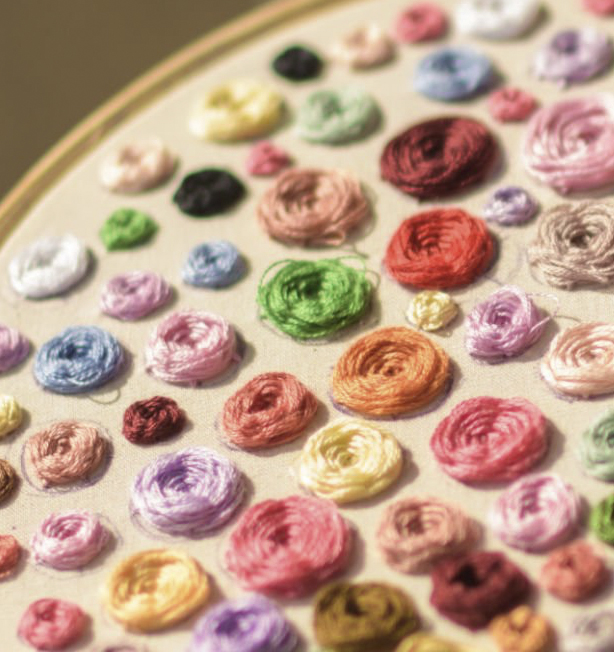
Add decorative elements through embroidery and applique techniques.
Embroider names or dates: Include significant names, dates, or quotes to make quilts more personal.
Applique shapes or symbols: Use applique to add thematic shapes or motifs relevant to the quilt’s purpose.
Custom Fabric Printing
Create custom printed fabrics to make your design unique.
Print photographs: Turn family photos into fabric prints for a sentimental touch.
Design your own patterns: Use online services to create fabric with your own designs or artwork.
Handwritten Elements
Incorporate handwritten elements for a personal and intimate feel.
Use fabric markers: Write messages, poems, or quotes directly onto fabric blocks.
Ink transfers: Transfer written letters or notes onto fabric using transfer paper for a printed look.
Quilt Size Suggestions
The size of your quilt can greatly impact its use and visual impact. Let’s explore different quilt sizes and their applications.
Crafting Cozy Lap Quilts
Lap quilts are versatile and perfect for snuggling up on the couch or adding warmth to a chair. Their smaller size makes them ideal for beginners or quick projects. Typically, lap quilts measure around 36″ x 48″ to 50″ x 65″. This size is large enough to cover your lap and legs but small enough to be easily portable.
When designing a lap quilt, consider the recipient’s preferences. A quilt for a child might feature bright colors and playful patterns, while an adult might prefer something more subdued.
Experiment with different block sizes and layouts. The smaller size of lap quilts allows you to try new techniques without committing to a large project.
Remember to choose a backing fabric that’s soft and comfortable against the skin, as lap quilts are often used directly without a cover.
Designing Spacious Bed Quilts
Bed quilts are statement pieces that can transform a bedroom. Their larger size allows for more complex designs and patterns.
Standard bed quilt sizes vary depending on the bed:
Twin: 70″ x 90″
Full/Double: 84″ x 90″
Queen: 90″ x 95″
King: 108″ x 95″
When designing a bed quilt, consider the room’s decor and color scheme. The quilt should complement the overall aesthetic of the space.
Think about the quilt’s drape over the sides of the bed. You might want to add extra inches to the width and length for a more generous overhang.
Don’t forget to account for pillow tuck. If you want the quilt to cover the pillows, add an extra 12-15 inches to the length.
Creating Compact Wall Hangings
Wall hanging quilts are a great way to display your quilting skills and add a unique touch to your home decor.
Wall hangings can be any size, but common dimensions range from 24″ x 24″ to 36″ x 48″. Consider the available wall space when deciding on size.
When designing a wall hanging, think about the visual impact from a distance. Bold colors and high-contrast designs often work well for this purpose.
Consider the quilt’s orientation. Will it hang vertically or horizontally? This can influence your design choices and block layout.
Don’t forget about hanging methods. You might want to incorporate a sleeve or loops into your design for easy hanging.
By incorporating these unique textures, patterns, and personal touches, you can create quilts that are not only creative but deeply meaningful. Keep experimenting and pushing the boundaries of traditional quilting to express your individuality and creativity. Happy quilting!