
Quilt labeling might not be the first thing that comes to mind when you finish a beautiful quilt, but it’s a step that shouldn’t be skipped. Think of quilt labels as the storytellers of your fabric creations, capturing the who, what, and why behind each piece. These labels hold the key to preserving the quilt’s identity and its connection to your personal history or that of your family. Whether you’re a beginner quilter or have been sewing for years, understanding the importance of quilt labelscan truly enhance your craft. Let’s chat about how labeling your quilts can safeguard their heritage and add a personal touch to your cherished projects.
Importance of Quilt Labels
Quilt labels are more than just tags; they’re the storytellers of your fabric creations. Let’s explore why these small additions play such a big role in preserving quilt stories and building quilt heritage.
Preserving Quilt Stories
Quilt labels act as time capsules, capturing the essence of your quilting journey. They provide a way to document the who, what, when, and why of each quilt you create.
By adding a label to your quilt, you’re not just marking ownership; you’re preserving a piece of history. Think about the quilts passed down in your family. Wouldn’t it be wonderful to know who made them and why?
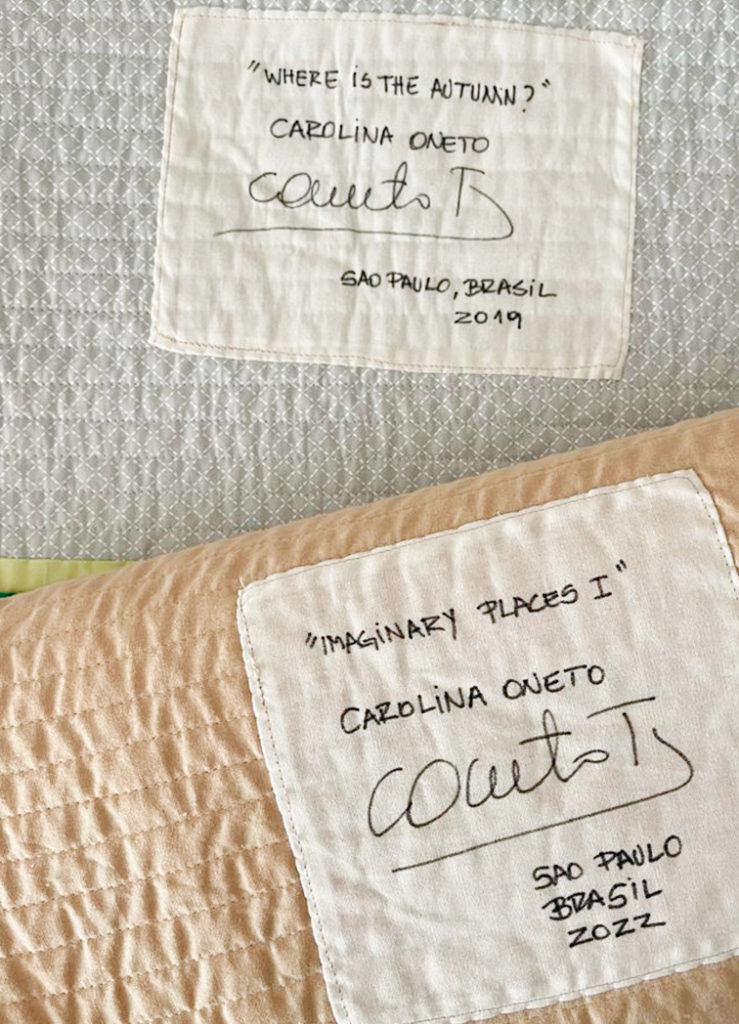
Labels can include details like the quilt’s name, the date it was completed, the occasion it was made for, and even the inspiration behind the design. This information becomes invaluable as time passes, allowing future generations to connect with the quilt’s story.
Building Quilt Heritage
Quilt labeling is a crucial step in building and maintaining quilt heritage. It’s about creating a legacy that extends beyond the fabric and stitches.
When you label your quilts, you’re contributing to a broader quilting tradition. Each labeled quilt becomes part of a larger narrative, linking your work to the rich history of quilting.
Think of your quilt label as a bridge between generations. It allows your quilts to carry your story forward, even when you’re not there to tell it yourself. This connection to the past can inspire future quilters and keep the art of quilting alive.
How to Label Quilts
Now that we understand why labeling is important, let’s dive into the practical side. We’ll explore some creative labeling techniques and discuss choosing the right materials for your labels.
Creative Labeling Techniques
Labeling your quilt doesn’t have to be a boring task. There are many creative ways to add a personal touch to your quilt labels.
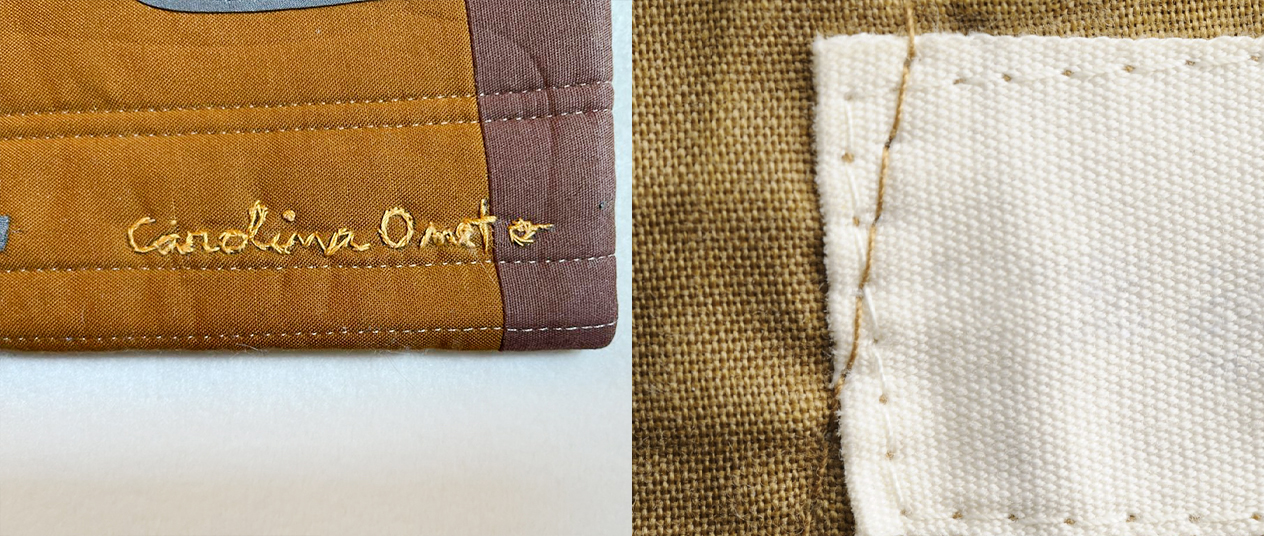
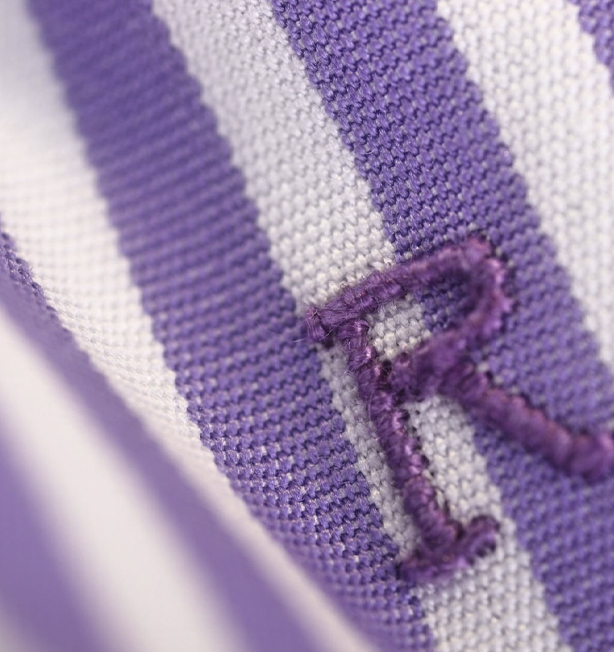
One popular method is to embroider your label directly onto the quilt backing. This technique creates a seamless look and ensures the label will last as long as the quilt itself.
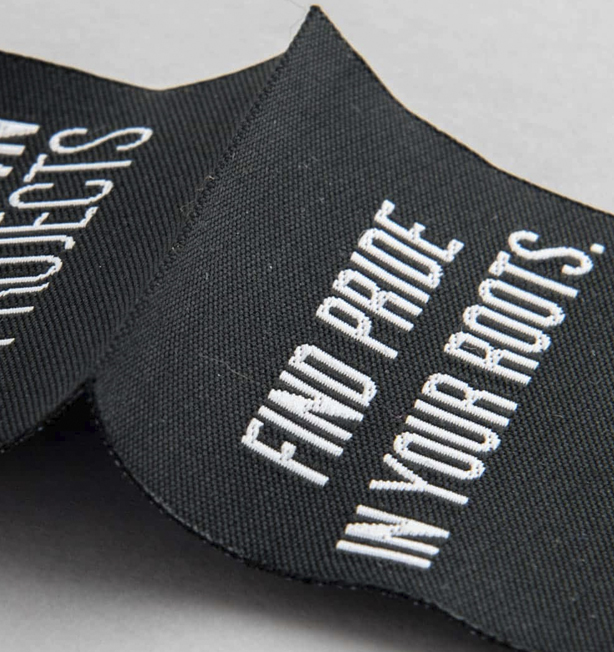
Another option is to create a separate fabric label that you can sew onto the quilt. This allows you to design and write out your label before attaching it, giving you more control over the final look.
For a unique approach, consider incorporating the label into your quilt design. You could create a special block in the corner of your quilt that includes all the necessary information.
Choosing the Right Materials
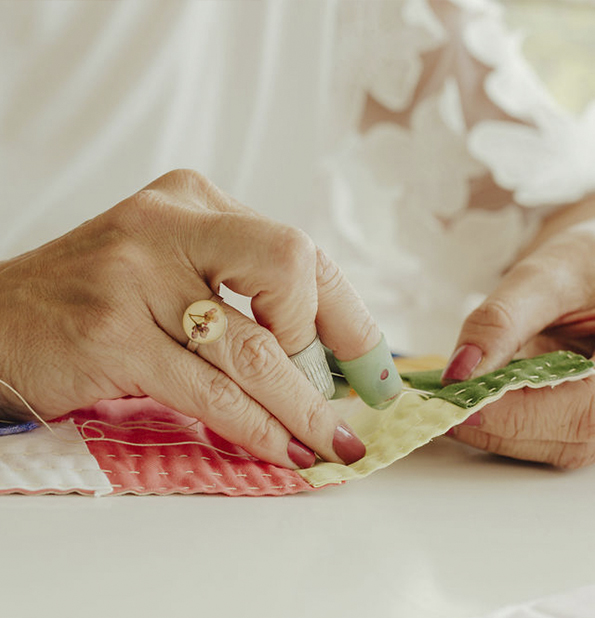
Selecting the right materials for your quilt label is crucial for ensuring it stands the test of time. You want your label to be as durable as the quilt itself.
Opt for high-quality, colorfast fabrics that won’t bleed or fade over time. Cotton is a popular choice as it’s easy to work with and matches well with most quilt backings.
When it comes to writing on your label, permanent fabric markers or archival ink pens are your best bet. These will resist fading and washing, keeping your quilt’s story legible for years to come.
If you’re embroidering your label, choose threads that complement your quilt’s colors and are strong enough to withstand regular use and washing.
Benefits of Labeling Quilts
Labeling your quilts offers numerous advantages beyond just marking ownership. Let’s explore how it helps establish quilt identity and enhances the overall value of your creations.
Establishing Quilt Identity
A well-crafted label gives your quilt a unique identity, setting it apart from other quilts and cementing its place in your quilting journey.
By including details like the quilt’s name, date of completion, and your signature, you’re giving your quilt a personality. This identity helps people connect with the quilt on a deeper level.
Labels can also provide context for your quilt. If it was made for a special occasion or inspired by a particular event, including this information helps tell the full story of the quilt.
Remember, your quilt label is often the first thing people look for when they receive a quilt as a gift. It’s your chance to make a lasting impression and ensure your hard work is remembered.
Enhancing Quilt Value
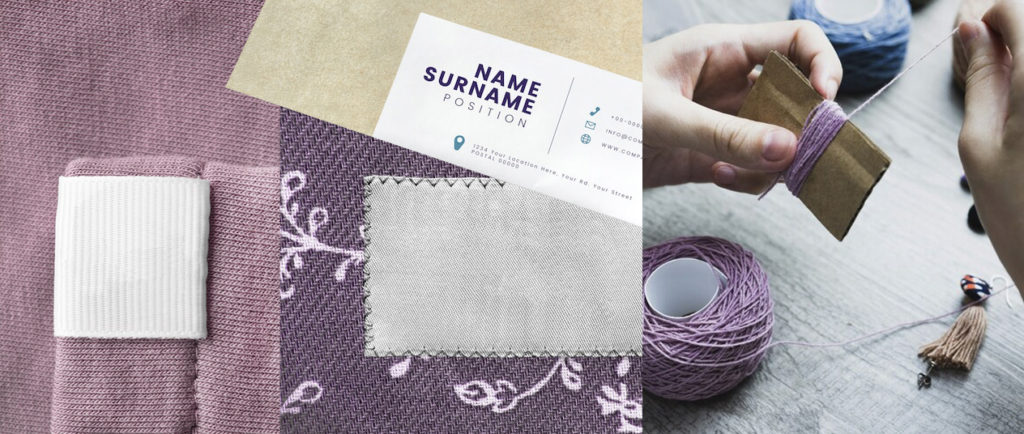
Believe it or not, a simple label can significantly increase the value of your quilt, both sentimentally and monetarily.
From a sentimental perspective, a labeled quilt becomes a cherished family heirloom. The stories and memories attached to the quilt are preserved, making it more meaningful to future generations.
In the world of quilt collecting and appraisal, labeled quilts are often valued higher than unlabeled ones. The provenance provided by a label can authenticate the quilt’s origin and age, which is crucial for collectors.
Even if you never plan to sell your quilts, labeling them adds to their historical value. Your quilts could one day be studied as examples of early 21st-century quilting techniques and styles!
“A quilt without a label is like a book without a title.” – Quilt Alliance
This quote perfectly sums up why labeling matters. Don’t let your quilts go unnamed and unattributed. Start labeling today and give your quilts the recognition they deserve!