

As artists and quilters, we often feel the urge to chase new ideas with every project: a different palette, a new shape, a fresh technique. That spirit of exploration is essential. Yet many artists—painters, photographers, sculptors, and fiber artists alike—have found incredible value in working in series. Instead of moving quickly from one idea to another, they dive deeply into a theme or structure, creating multiple works that converse with one another.
In this article, I’ll explore the benefits of this approach—how working in series can expand your creativity, improve your skills, and strengthen your artistic voice. Along the way, we’ll connect examples from art history and quilting, showing why this method is powerful for makers at any level.
Depth of Exploration
Working in series allows you to explore an idea far beyond the surface. When you commit to revisiting the same theme multiple times—whether it’s circles, transparencies, color gradients, or curves—you start to see nuances you would have missed otherwise.
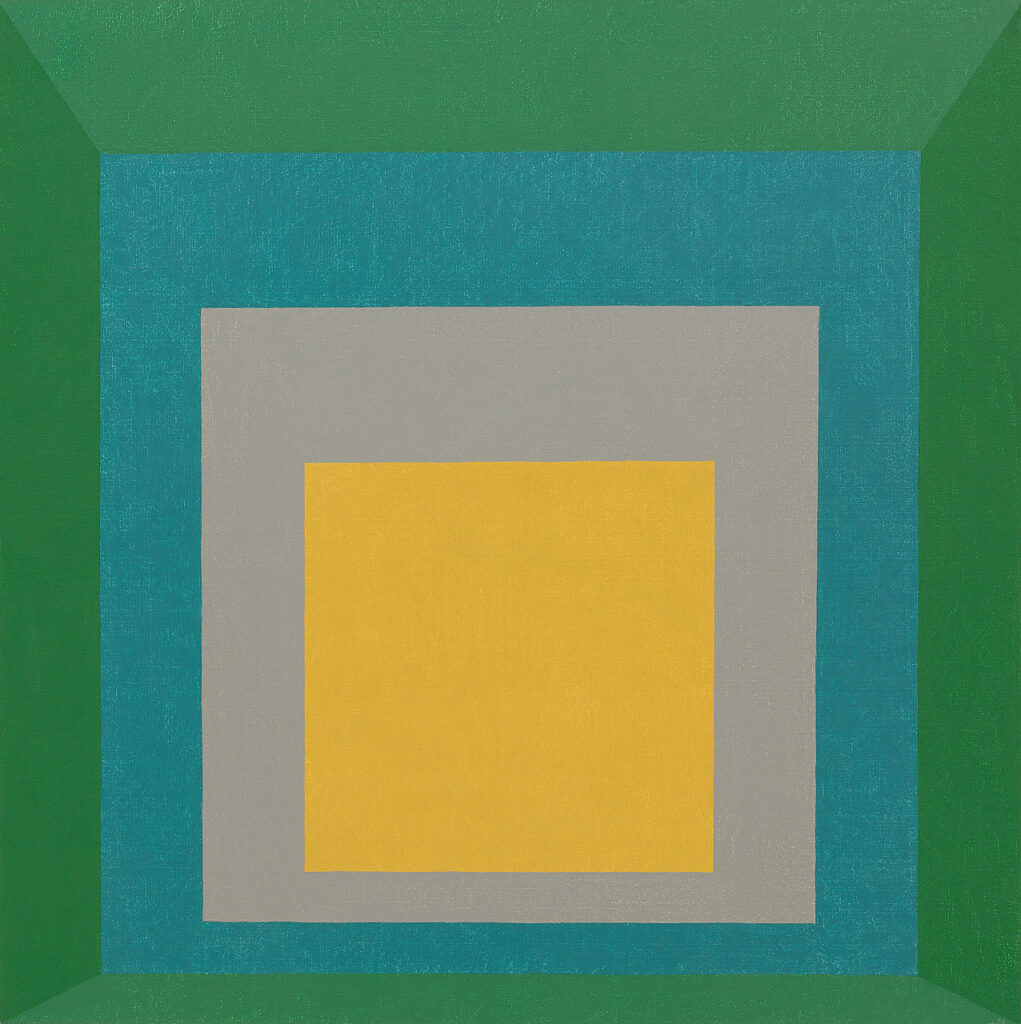
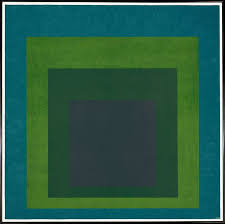
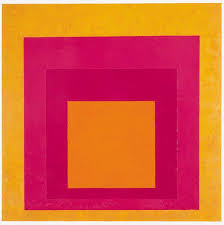
Take Josef Albers’ Homage to the Square, a series he worked on for more than 25 years. Each painting features squares nested within each other, yet every piece reveals something new about color interaction, contrast, and perception. What might look repetitive at first becomes a profound meditation on color.
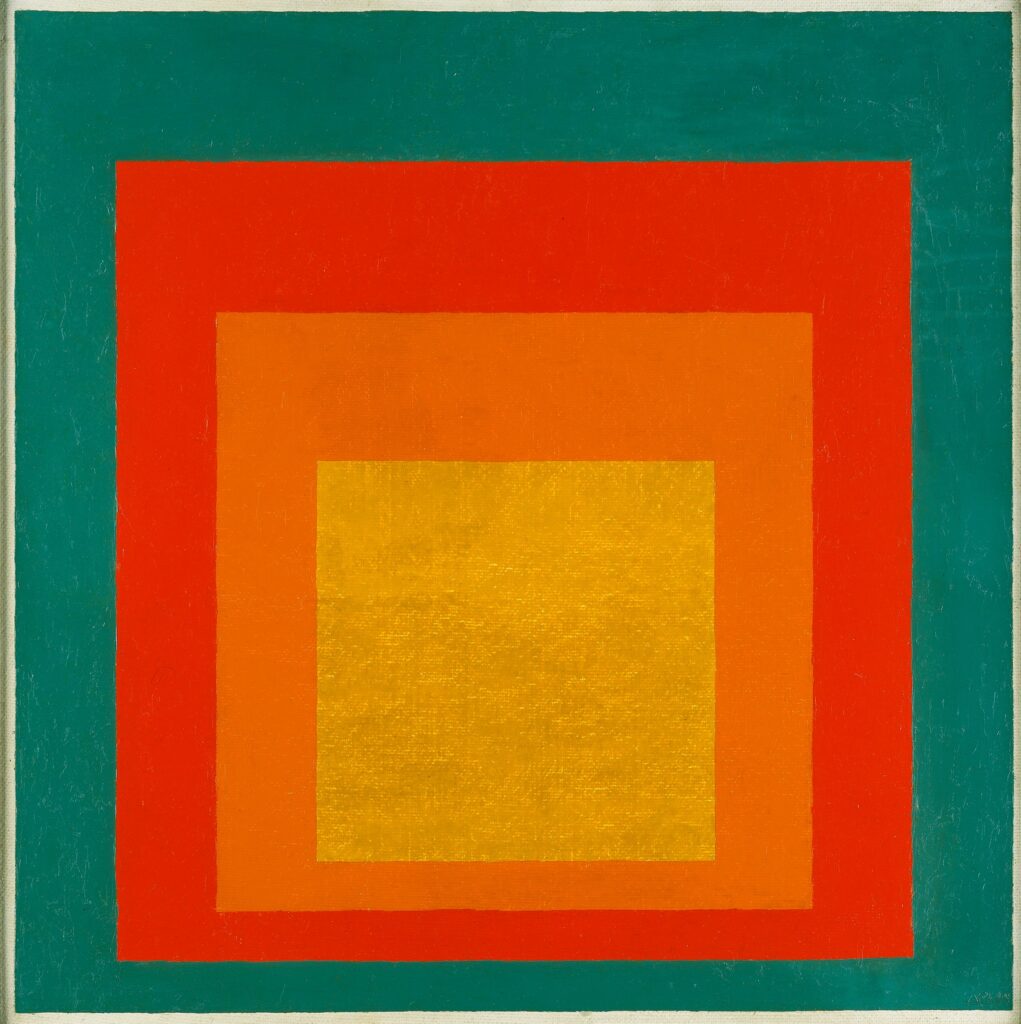
For quilters, the same applies: one quilt might show how two fabrics interact, but a series of ten allows you to test dozens of pairings, layouts, and moods. The act of repetition is not about redundancy—it’s about depth.
Contemporary quilter Irene Roderick demonstrates the value of working in series through her improvisational practice. In projects like Dancing with the Wall, she creates multiple works that each capture a unique emotional gesture, yet together they form a larger exploration of rhythm, movement, and color.
Creative Freedom Within Boundaries
It may sound paradoxical, but working within limits often creates more freedom. By establishing certain rules for your series—a fixed size, a palette, or a recurring motif—you reduce decision fatigue. Instead of asking, “What should I make next?” the question becomes, “How can I push this idea further?”
This framework unlocks creative play. For example, imagine a series of quilts where every piece uses only blue fabrics. At first, it might feel restrictive. But soon you discover countless shades, textures, and rhythms within blue. The boundary becomes a playground.
Artists often describe this as finding “infinite possibilities within a frame.” The frame isn’t a cage; it’s a springboard.
Building a Visual Language
A series helps you develop a recognizable artistic voice. By returning to the same motif or palette repeatedly, you start to refine your own vocabulary of shapes, stitches, and color choices. Over time, these become signatures that others recognize as uniquely yours.
Think of the Gee’s Bend quilters: while each maker had their own hand, families and communities developed visual styles that grew through repetition. Viewers can often identify a quilt’s origin simply by its recurring compositional patterns.
Another striking example is Bisa Butler, whose vibrant, large-scale portrait quilts are often conceived in series that explore African American identity, history, and resilience. By revisiting the portrait form repeatedly, Butler has developed a distinct visual language—layered fabrics, bold color palettes, and expressive textures—that makes her work instantly recognizable around the world.
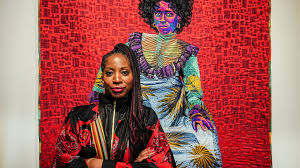
Working in series allows you to strengthen this consistency, so that your work speaks with clarity and confidence.
Technical Growth
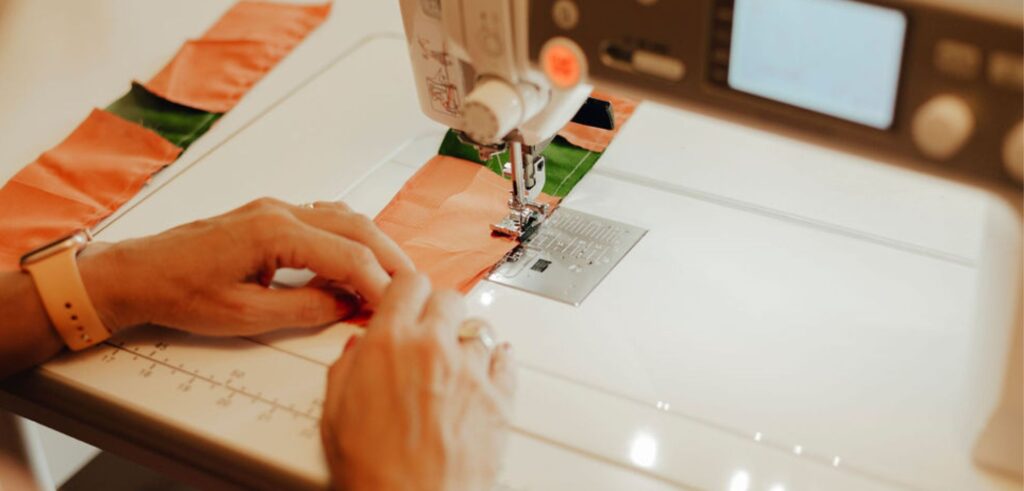
Repetition isn’t just conceptual—it’s technical. The more you repeat a shape, the more skillful you become at cutting, piecing, and quilting it. A circle block that feels awkward in Quilt #1 will feel natural by Quilt #5.
When artists commit to a series, they often experience accelerated technical growth. Every new quilt in the series is both an artwork and a practice exercise, building precision, speed, and problem-solving. Mistakes become less intimidating because you know another piece is coming next—you can try again, improve, and experiment without pressure.
Storytelling & Conceptual Depth
Series aren’t only about formal exploration—they also help tell stories. A single quilt can hold meaning, but a series of quilts can build a narrative arc, like chapters in a book.
Faith Ringgold’s narrative quilts, for example, often use multiple panels or repeated motifs to tell stories of race, identity, and history. Similarly, a quilter might create a series about landscapes, memory, or personal milestones, with each quilt representing a different chapter.
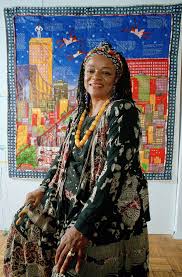
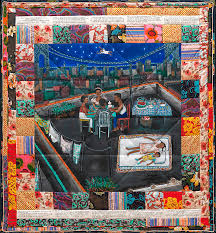
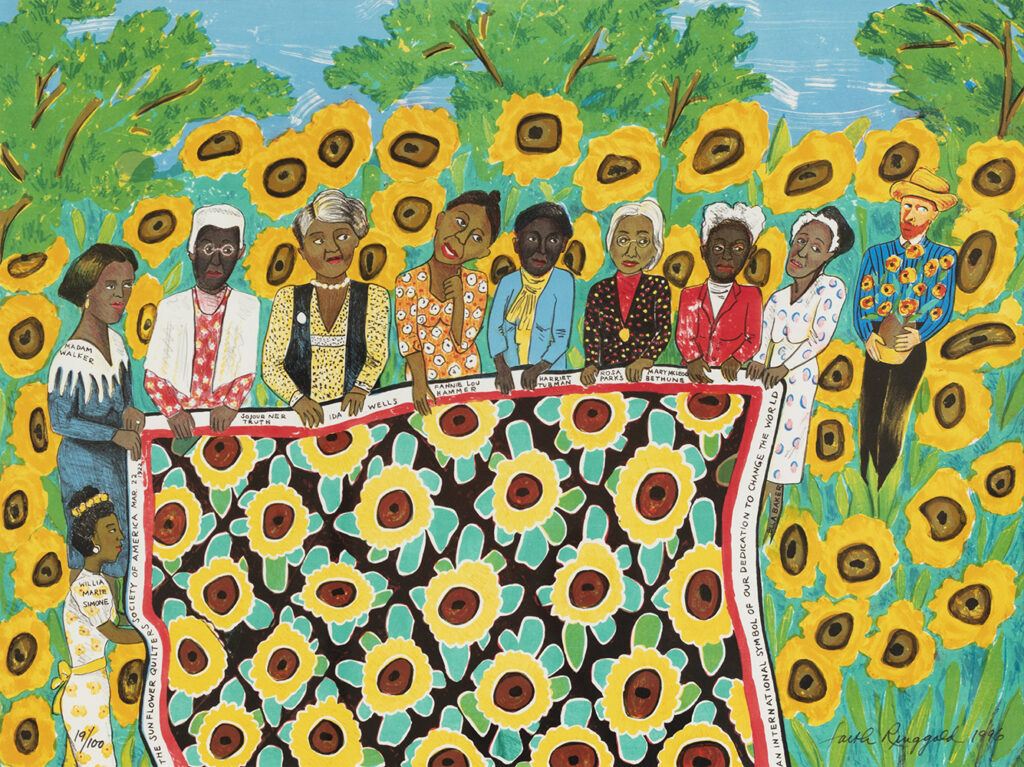
The repetition of a theme gives weight and resonance to the concept—it allows the story to unfold over time and space.
Professional Benefits
Working in series isn’t just valuable in the studio—it also has professional advantages. Curators, galleries, and collectors often look for cohesive bodies of work. A series demonstrates depth, consistency, and commitment—qualities that stand out in exhibitions and applications.
For quilters, having a series ready makes it easier to propose a solo show or portfolio submission. It also makes for a strong website presentation: instead of isolated works, viewers see a cohesive vision.
Emotional & Personal Benefits
On a personal level, working in series can reduce creative block. Starting a completely new project can sometimes feel overwhelming. But when you’re in a series, you always know your “next step.” You have momentum, a thread to follow.
This continuity builds confidence. It shifts the focus from “finishing one quilt” to “exploring a journey.” The process becomes more about curiosity and less about perfection.
Many artists also find that working in series fosters a sense of ritual—a rhythm of making that’s deeply satisfying.
Working in series is not about producing more—it’s about growing deeper. Through repetition and variation, you sharpen your skills, build your visual language, and uncover new layers of meaning in your work. You create not only individual quilts but a body of work that reflects your voice and vision.
Whether your series is five quilts or fifty, the benefits are profound: depth, freedom, growth, recognition, and joy. So next time you begin a quilt, consider this: what if it wasn’t the only one? What if it was the start of a series?
References & Inspiration
• Albers, Josef. Interaction of Color. Yale University Press, 1963.
• Ringgold, Faith. Tar Beach. Crown, 1991.
• Beardsley, John. The Quilts of Gee’s Bend. Tinwood Books, 2002.
• Sawyer, Keith. Explaining Creativity: The Science of Human Innovation. Oxford University Press, 2012.
• Irene Roderick, Dancing with the Wall series, exhibitions and interviews.
• Bisa Butler, Portrait Quilts, various museum collections and exhibitions.