
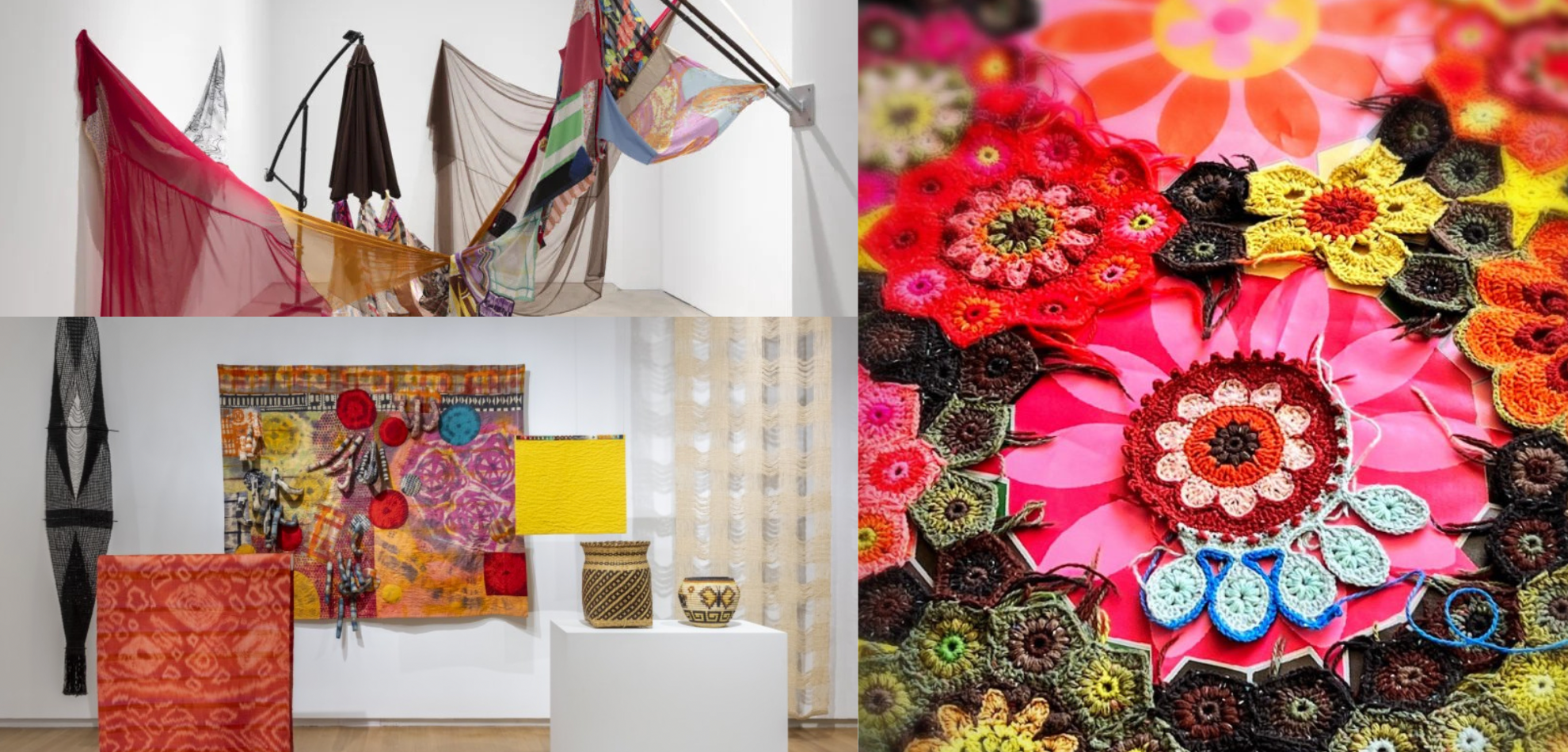
Textile art is no longer a quiet thread in the background. Across continents, artists, museums, fairs, and textile markets are weaving a bold new story—one where fiber, stitch, and cloth claim their rightful place in contemporary fine art.
A Rebirth of Meaning and Material
Once relegated to the margins of “craft,” “decorative arts,” or domestic practices, textile art is now experiencing a powerful global revival. From sustainable fashion loops to major exhibitions, from grassroots community makers to high-end galleries, textiles are being reimagined not merely for tradition or utility, but as vibrant carriers of identity, critique, and innovation.
This renewed attention reflects larger cultural shifts—toward sustainability, inclusivity, and the revaluation of women’s and indigenous creative practices. As art historian Glenn Adamson notes in The Invention of Craft, the boundary between art and craft has always been porous, and textiles are finally receiving the institutional recognition long overdue. Similarly, The Guardian has reported on how textile works are “reshaping what museums collect and display,” particularly in the wake of feminist and decolonial art movements.
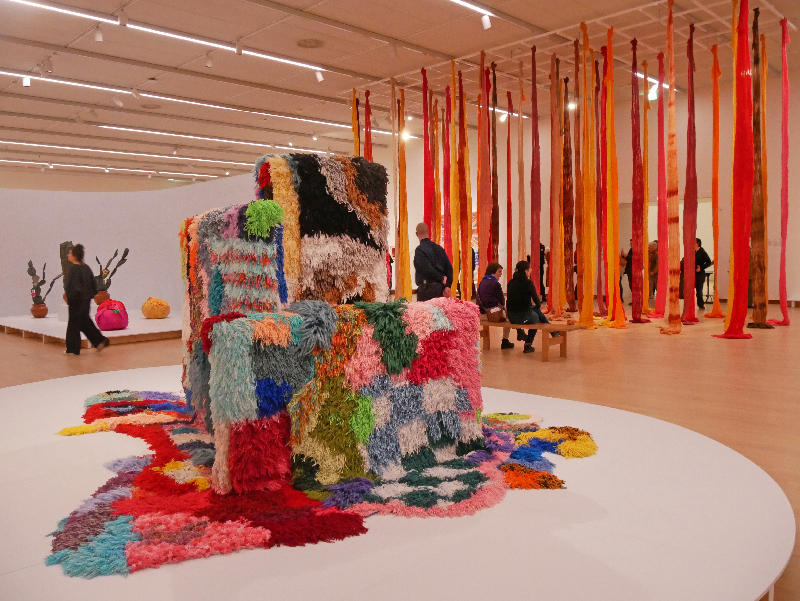
What’s Driving the Revival
1. Cultural and Identity Reclamation — Artists are drawing from ancestral techniques, indigenous knowledge, and local textile traditions to assert identity, memory, and resistance.
2. Sustainability and Material Consciousness — A growing interest in slow-making, natural fibers, and ecological practices ties into textile heritage and climate awareness.
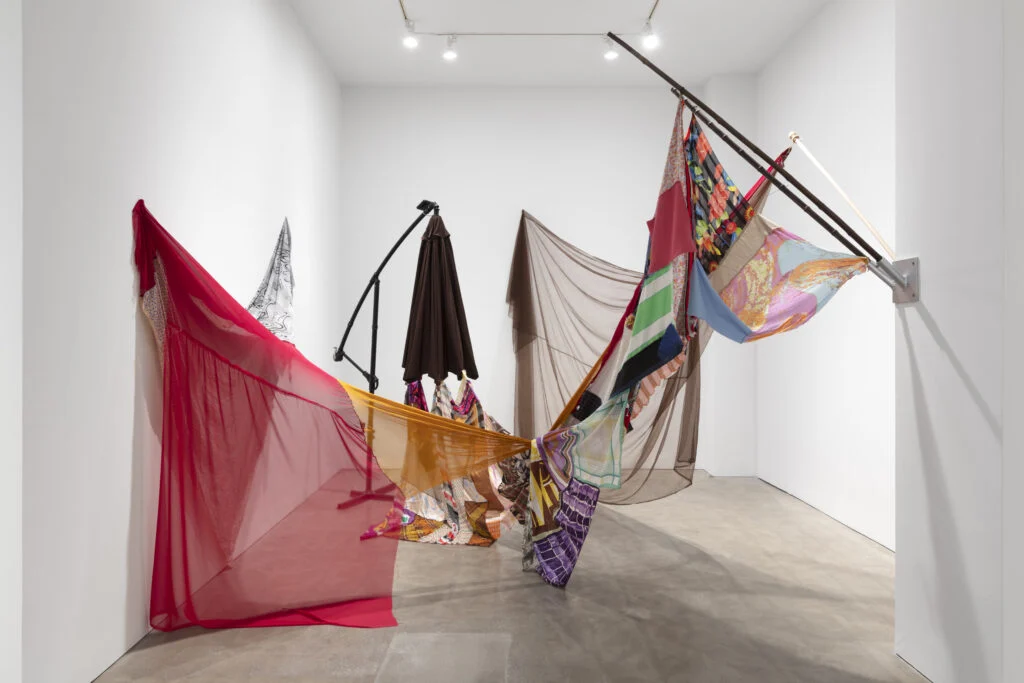
3. Cross-Disciplinary Innovation — Contemporary creators are merging fiber art with performance, installation, and digital media.
4. Institutional and Market Recognition — Museums, biennials, and collectors now regard fiber art as essential to 21st-century artistic discourse.
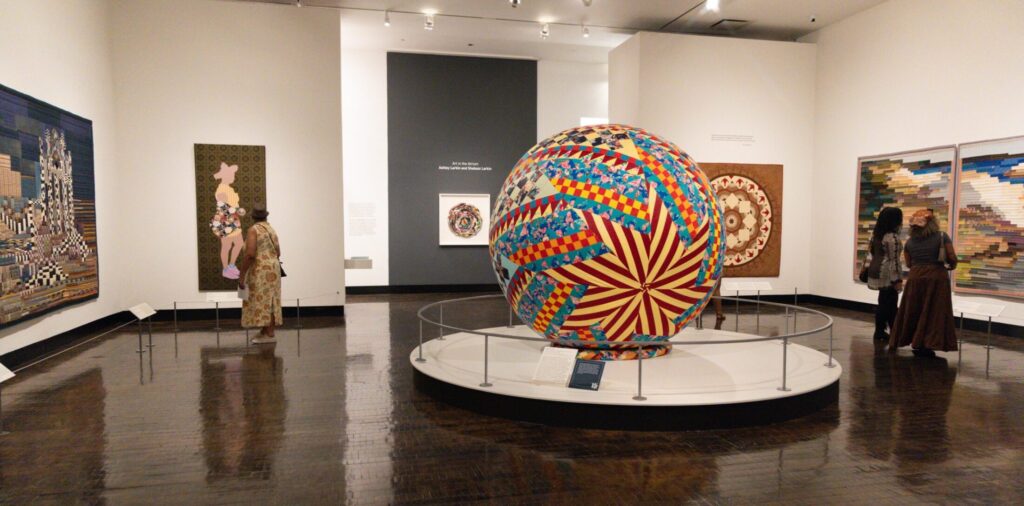
Case Studies and Global Highlights
• “Social Fabrics: On the Rise of Textile and Woven Art” (Art Basel, 2024) spotlighted quilting communities like Gee’s Bend and global makers.
• “Threads of Tomorrow” (Maria Brito, 2024) documented how textile works now appear alongside painting and sculpture.
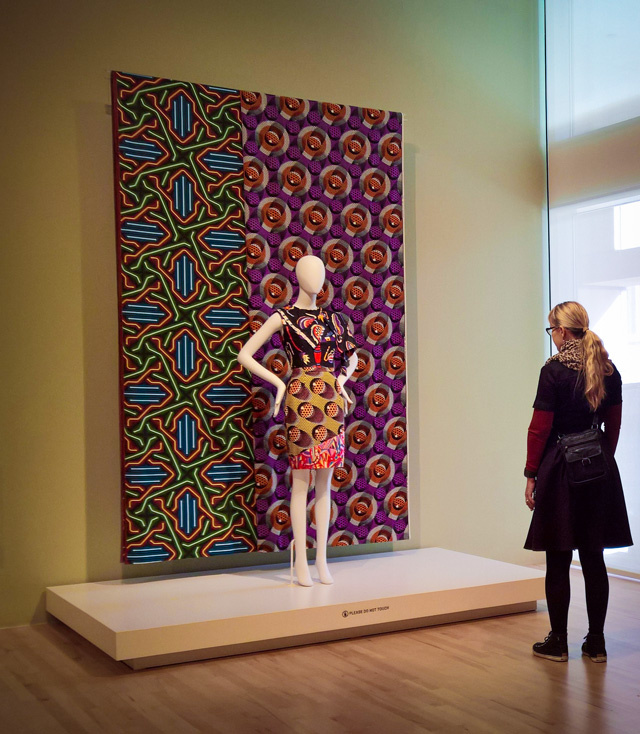
• “Global Threads: India’s Textile Revolution” (Bowers Museum) celebrated the intersections of design, identity, and sustainability.
• Venice Biennale 2024 presented numerous textile-centered installations exploring migration, identity, and tradition.
For an in-depth look at how textile artists are transforming modern practice, TextileArtist.org offers an excellent overview of the techniques, processes, and personal narratives driving this creative movement
Latin American Voices in the Textile Revival
Latin America is playing a central role in this renaissance. From Mexico to Colombia, artists and institutions are blending heritage with experimentation:
• Margarita Cabrera (Mexico/US) — Creates soft sculptures addressing migration, labor, and social justice.
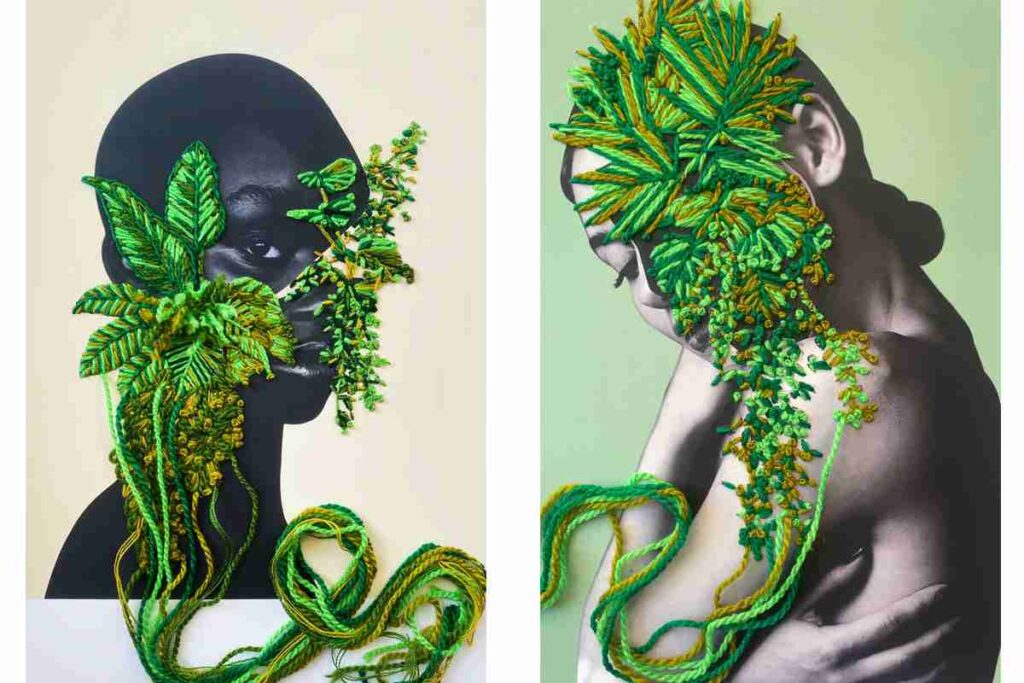
• Victoria Villasana (Mexico) — Internationally recognized for her embroidered portraits that explore identity and culture.
• Museo Textil de Oaxaca (Mexico) — A pioneering institution celebrating indigenous and contemporary practices.
• Ángela León (Colombia) — Explores memory, heritage, and the layered histories within cloth.
• Carla Fernández (Mexico) — Fashion designer and activist collaborating with indigenous communities.
• Diana de Solares (Guatemala) — Known for abstract explorations of color and weaving.
Emerging Trends to Watch
• Material Innovation: Nontraditional fibers, eco-dyeing, and zero-waste projects.
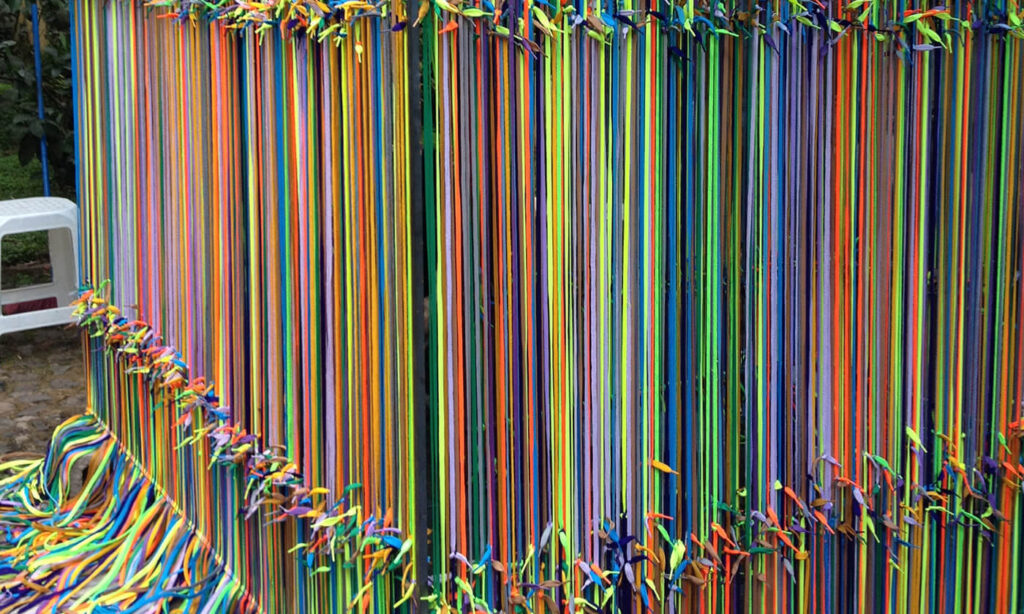
• Installation Scale: Immersive, architectural textile environments.
• Narrative & Justice: Textiles as platforms for stories of migration, gender, and colonial legacies.
• Hybrid Mediums: Fiber fused with sound, video, and digital art.
• Global Dialogue: Revivals of lost techniques through cross-cultural exchange.
• Institutional Growth: More residencies, grants, and acquisitions supporting textile practitioners.
Challenges Ahead
• Conservation & Longevity: Textiles remain vulnerable to light, humidity, and handling.
• Market Valuation: Fiber works often remain undervalued compared to paintings.
• Perception Bias: The label of “craft” can still limit recognition.
• Ethical Production: Ensuring fair compensation and safeguarding traditional knowledge are essential steps forward.
A Medium of Connection and Continuity
The global revival of textile art is not a fleeting trend—it’s a redefinition. Artists today are reclaiming fiber and stitch as contemporary tools for storytelling, sustainability, and social connection. Whether in Oaxaca, Bangkok, or London, the thread that binds these movements is clear: textiles are the language through which culture continues to reinvent itself.
For those inspired to explore color, composition, and textile storytelling firsthand, online courses and workshops to learn how quilting and textile design can become tools of artistic expression.