

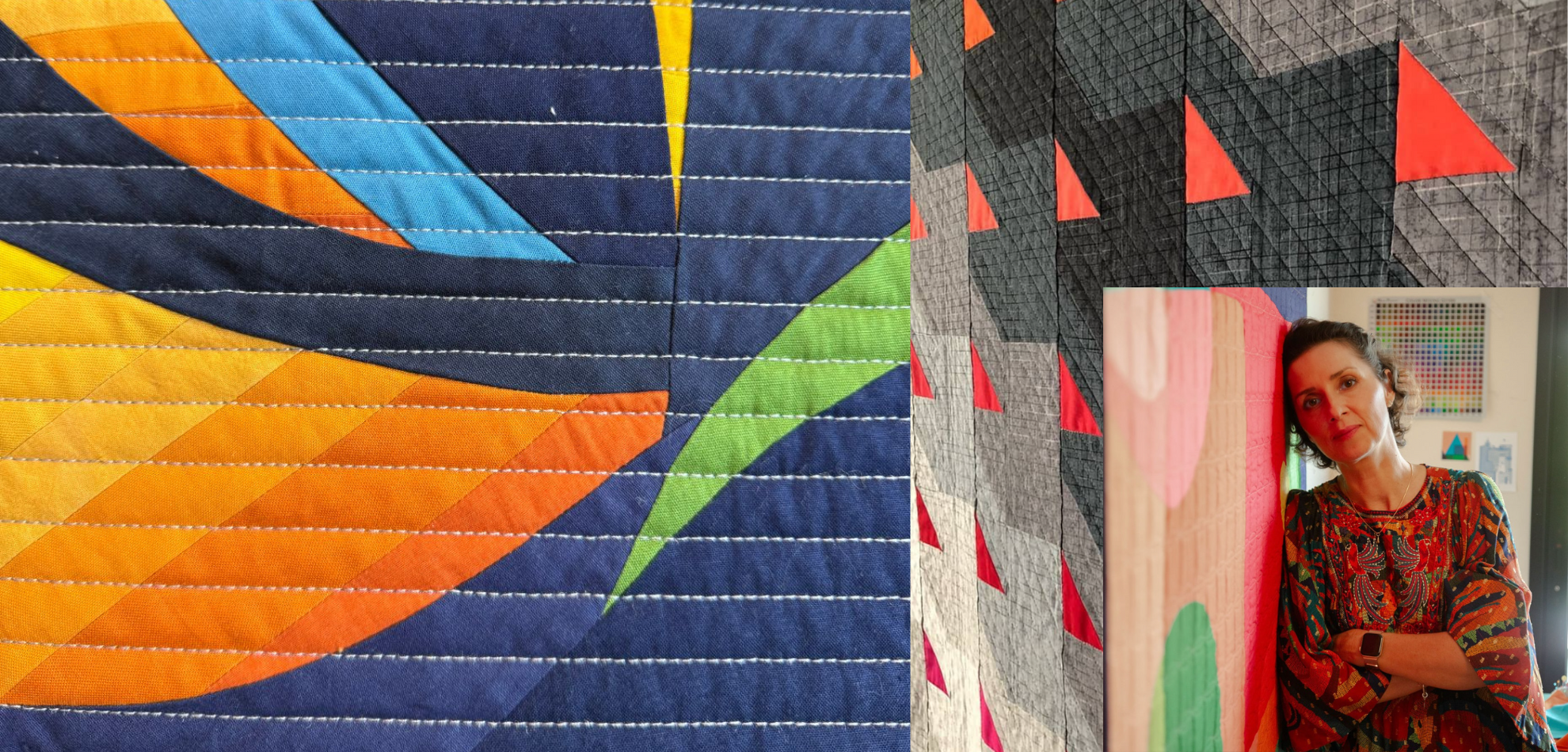
When people learn that I’m both an engineer and a quilter, they often smile — as if these two worlds could not be more different. But to me, they are deeply connected. Both are acts of construction. Both require imagination, logic, and curiosity. Both begin with a question: How can I make this work?
Quilting, like engineering, is a process of solving problems with creativity. It’s about balance — between freedom and order, emotion and precision. And at the heart of both lies the same impulse: the desire to create something new, meaningful, and beautifully efficient.
The Geometry of Imagination
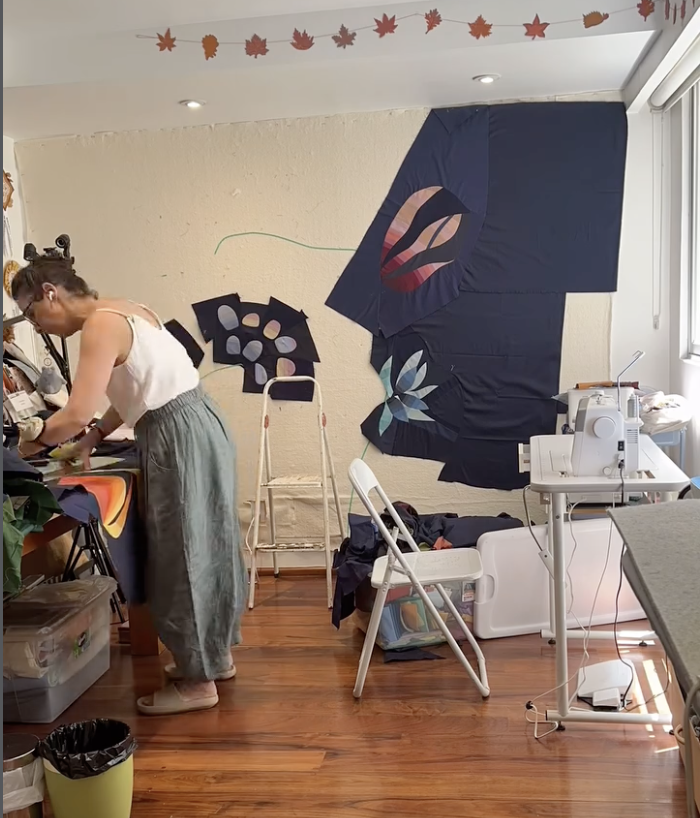
My engineering background has shaped how I see design. When I build a quilt, I don’t only think about color — I think about structure, movement, and efficiency. I visualize how each piece will connect to another, how the rhythm will flow across the surface, how the seams will guide the eye. There’s a quiet satisfaction in bringing order to intuition — transforming a spontaneous idea into something that feels balanced and intentional.
Like an architect, I design spaces made of color. My blocks are not buildings, but they hold movement, gravity, and harmony. I think in layers, grids, and intersections — but also in emotion, in the curve of a line that feels alive.
Engineering taught me to trust the process, to approach every design as a puzzle that can be solved — but solved creatively.


Efficiency as Elegance
In engineering, efficiency is not about doing less — it’s about achieving more with clarity.
In quilting, I carry that same mindset. I’m intentional with material, time, and composition. Every piece of fabric has potential, every cut has purpose.
This doesn’t mean my quilts are rigid or planned to the millimeter — far from it. But even in improvisation, I’m aware of flow and function: how to make curves connect seamlessly, how to minimize waste, how to align color transitions logically.
It’s the same balance engineers search for when designing a bridge or system — structure that feels natural, simplicity that hides complexity. As artist and writer Bruno Munari said, “To complicate is easy. To simplify is difficult.” True design — whether in fabric or engineering — lies in finding that simple, beautiful solution.
For more on the relationship between structure and creativity, see Tate Museum – Design and the Creative Process.
Order and Freedom
Many people think that art and science exist on opposite ends of a spectrum — one emotional, the other logical. But I’ve learned that they share a rhythm.
When I design, I follow both emotion and equation. Color becomes data — each hue interacting dynamically with the next. I explore repetition, sequence, and pattern, just as an engineer analyzes structure and flow. At the same time, I allow intuition to break symmetry, to surprise me.
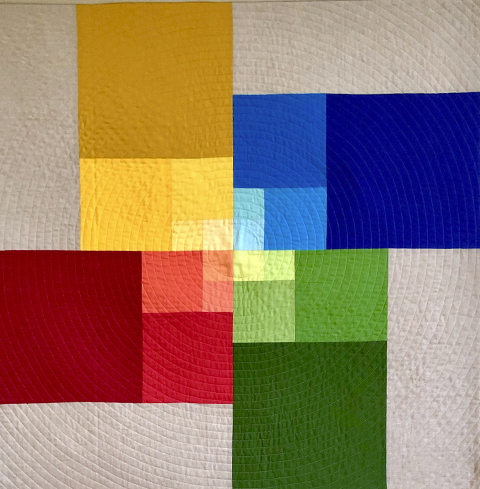
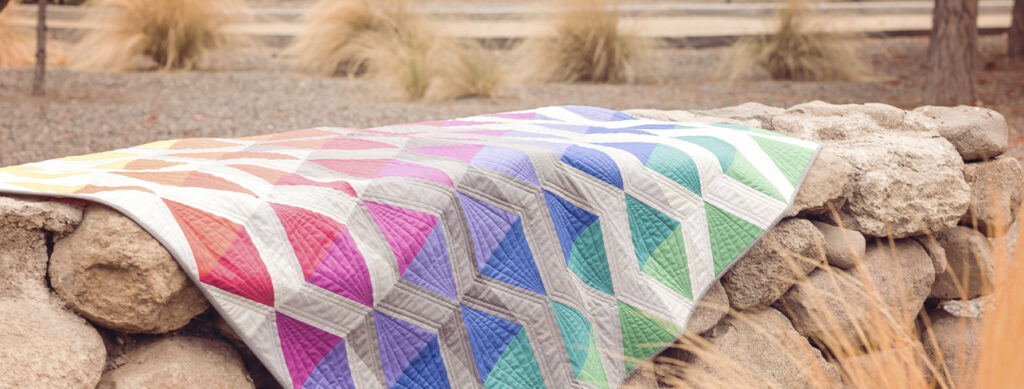
Because creativity, like physics, depends on contrast — between control and release, pattern and chance, chaos and order.
Improvisational design thrives on this tension. It’s what keeps the process alive — what transforms a sketch into something that feels spontaneous yet inevitable.
👉 Read about creativity and pattern at The Guardian – The Science of Design
Engineering Emotion Through Color
In my quilts, color is my equation. Each decision is both analytical and emotional — I calculate how hues interact, how temperature and value shift perception, how contrast drives movement.
Color sequences, for me, are like formulas: each tone influencing the next, creating a visual progression that feels logical but alive.
Engineering trained me to test variables — and quilting gave those variables a heartbeat.I often think of color as a system of balance: saturation and lightness, contrast and harmony. When arranged thoughtfully, they create movement that feels almost musical.
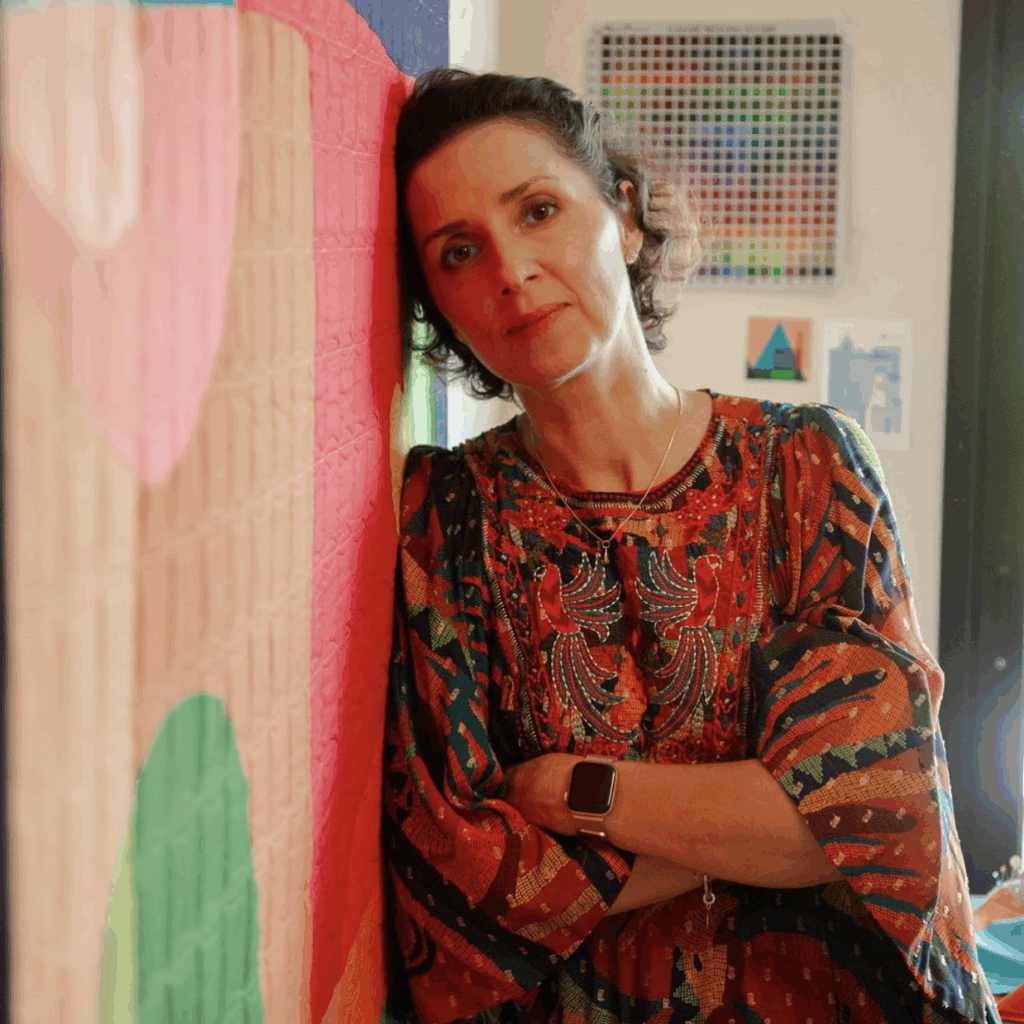

This relationship between structure and feeling is what makes both engineering and art deeply human. It’s not only about solving problems, but about expressing solutions beautifully.
Learn more about color interaction in Color Matters – Color Harmony and Design.
Designing Systems for Creativity
One of the great gifts of my engineering background is that it taught me how to create systems — not to limit creativity, but to support it.
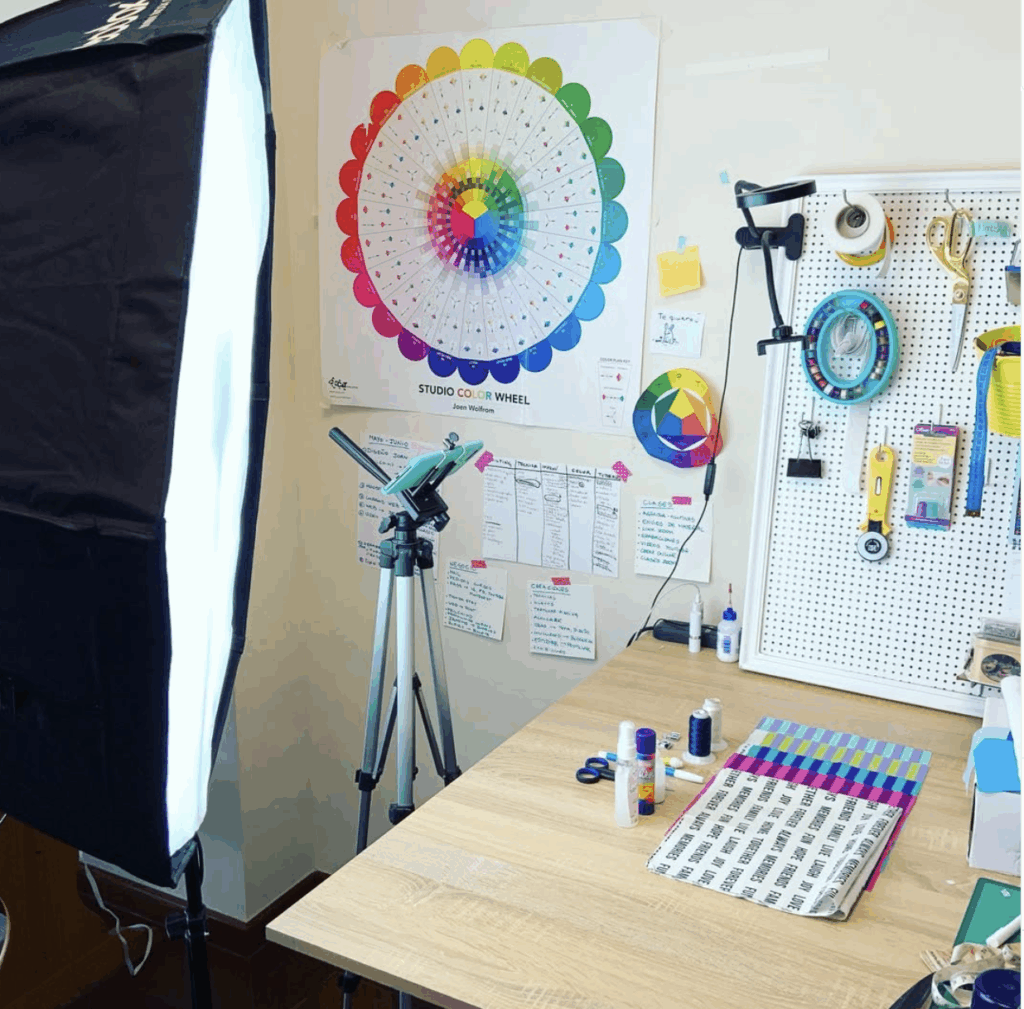
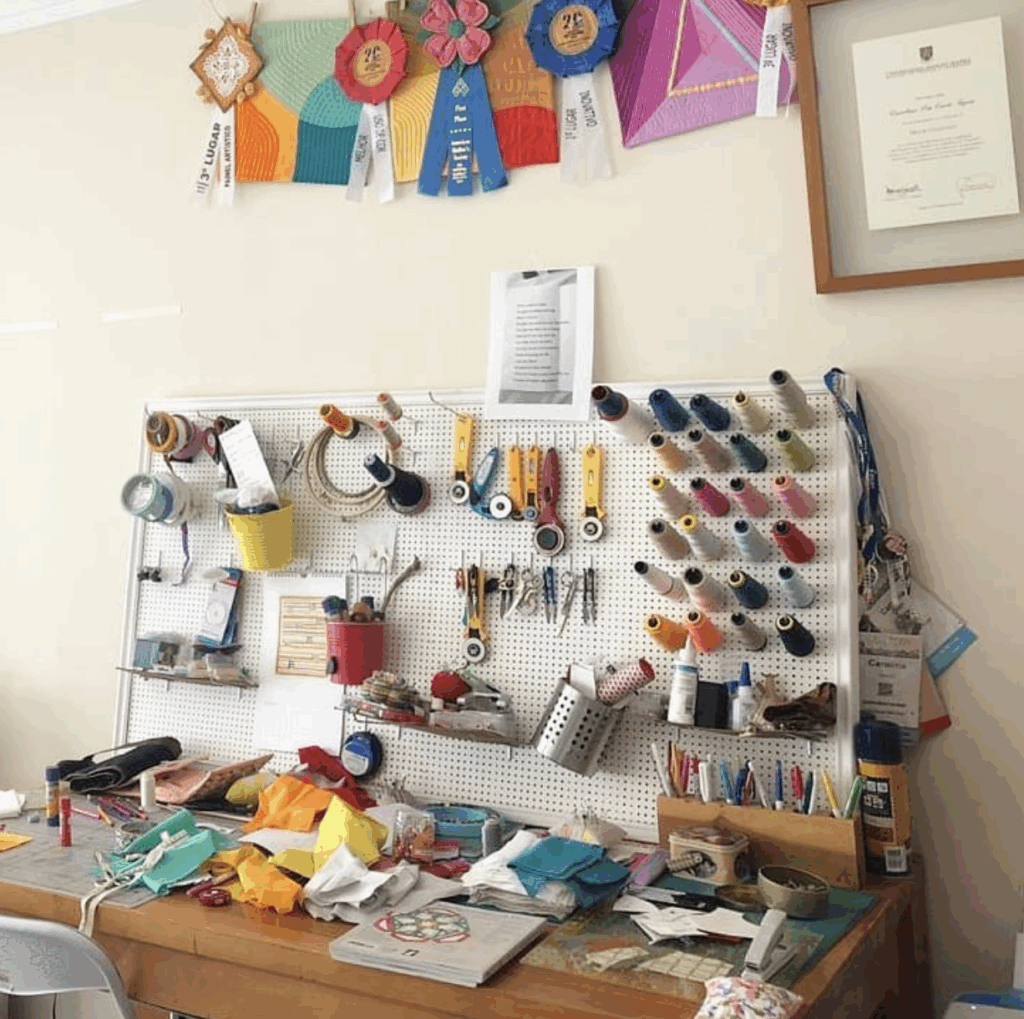
When I design a new quilt, I often begin with a system: a palette, a rhythm, a rule. It might be “alternate warm and cool tones,” or “repeat one curve shape three times before changing direction.” Within that structure, I play freely.
This approach mirrors how engineers prototype — building frameworks that allow for experimentation. It’s a process of iteration: testing, adjusting, refining.
Creativity needs both logic and freedom. Without structure, it can drift. Without curiosity, it becomes mechanical. The magic happens where the two meet — where intuition has architecture.
Problem-Solving as Creation
Being an engineer taught me to see problems not as obstacles, but as invitations to create. Every technical limitation — whether in material, size, or time — becomes a design opportunity.
In quilting, I apply the same mindset. If a color doesn’t blend, I find a new bridge. If a seam doesn’t align, I adjust the rhythm. Each constraint leads to discovery.
This echoes Mihaly Csikszentmihalyi’s idea of flow: that true creativity arises when challenge and skill are perfectly matched. Both engineering and quilting thrive in that zone — when your mind is fully absorbed, problem-solving becomes joy, and logic feels like intuition.
As I often tell my students, design is not about avoiding mistakes — it’s about transforming them into innovation.