

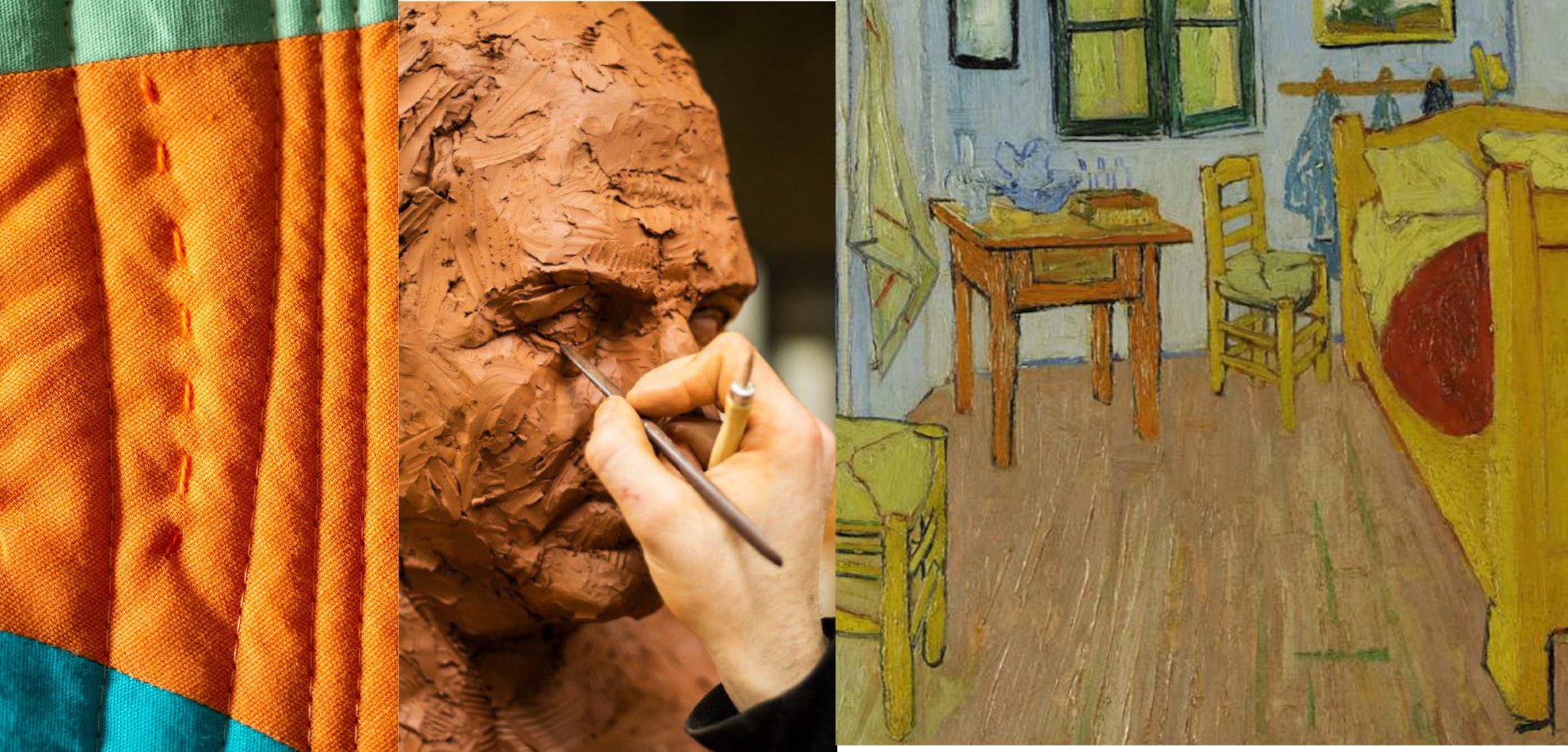
For a long time, we are taught to avoid mistakes. In school, in work, and often in creative practice, perfection is presented as the goal. Clean results, precise execution, and predictable outcomes are rewarded. Yet in art, this pursuit of perfection can quietly suffocate the very thing we seek: authenticity.
In my experience as a textile artist and educator, imperfection is not a flaw in creative work. It is an essential ingredient. It is where movement appears, where decisions become visible, and where the hand leaves a trace that no machine or formula can replicate.
Imperfection is not the opposite of skill. It is the evidence of presence.
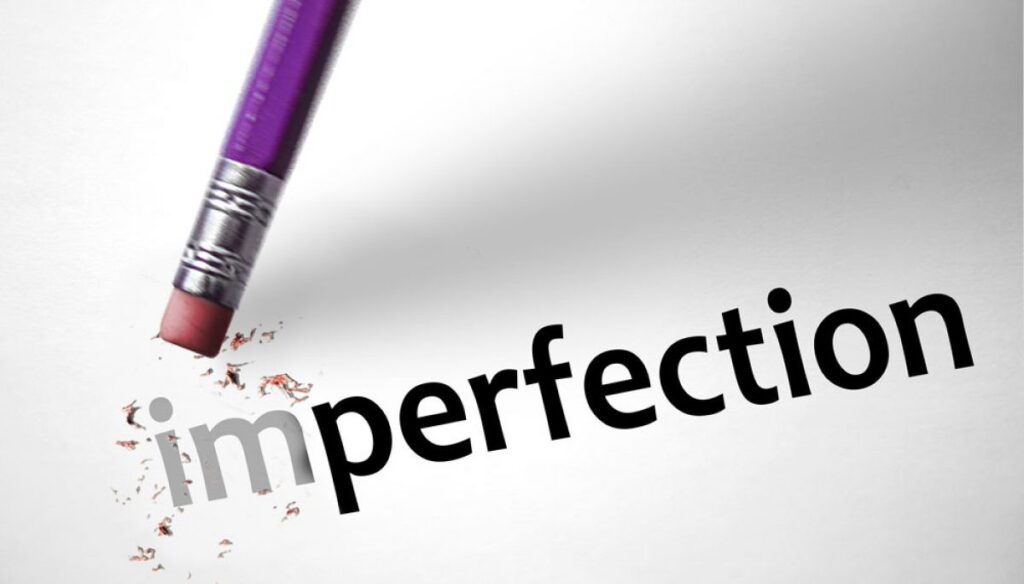
The Myth of the Perfect Outcome
The idea that a work of art should arrive fully formed, resolved, and flawless is a relatively modern construct. Historically, making was understood as a process of adjustment, revision, and response to materials
In textile work especially, perfection is an illusion. Fabric stretches, shifts, resists, and surprises. Every decision responds to the previous one. Expecting absolute control over such a living material disconnects the maker from the reality of the medium.
Art historian Glenn Adamson has written about how modern culture often undervalues processes that show labor, repetition, and care, favoring polished results instead. Yet these visible traces are precisely what give handmade work its depth and humanity.
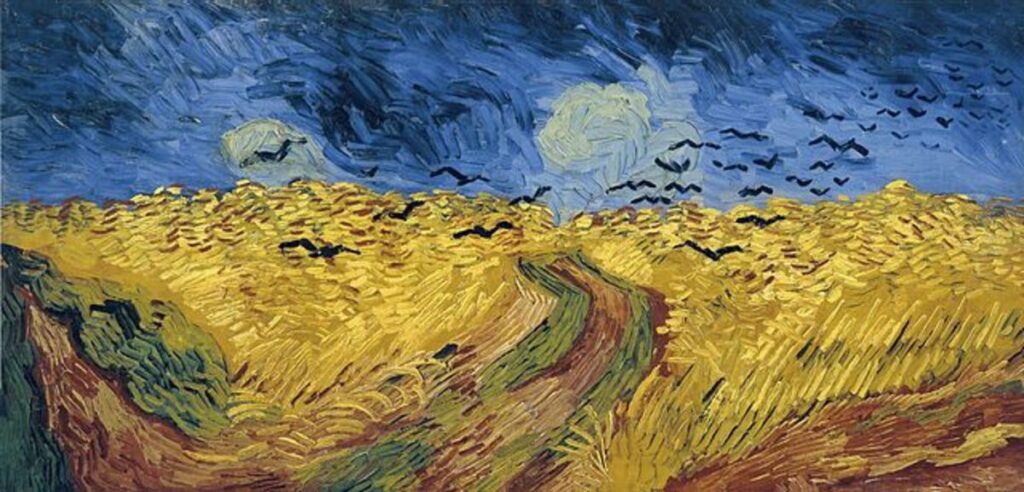
Imperfection as Information
What we often call a “mistake” is usually information arriving earlier than expected. A seam that doesn’t align perfectly reveals tension in the design. A color that feels too strong exposes an imbalance in value or temperature. These moments are not failures; they are feedback. They tell us where the work wants to go next.
Psychologist Donald Schön described this as “reflection-in-action”: the ability to think through making, adjusting decisions while the work is still alive. Creative work grows through dialogue, not execution alone.
When we allow imperfection to inform us, the work becomes collaborative. The quilt begins to speak back.
The Human Trace
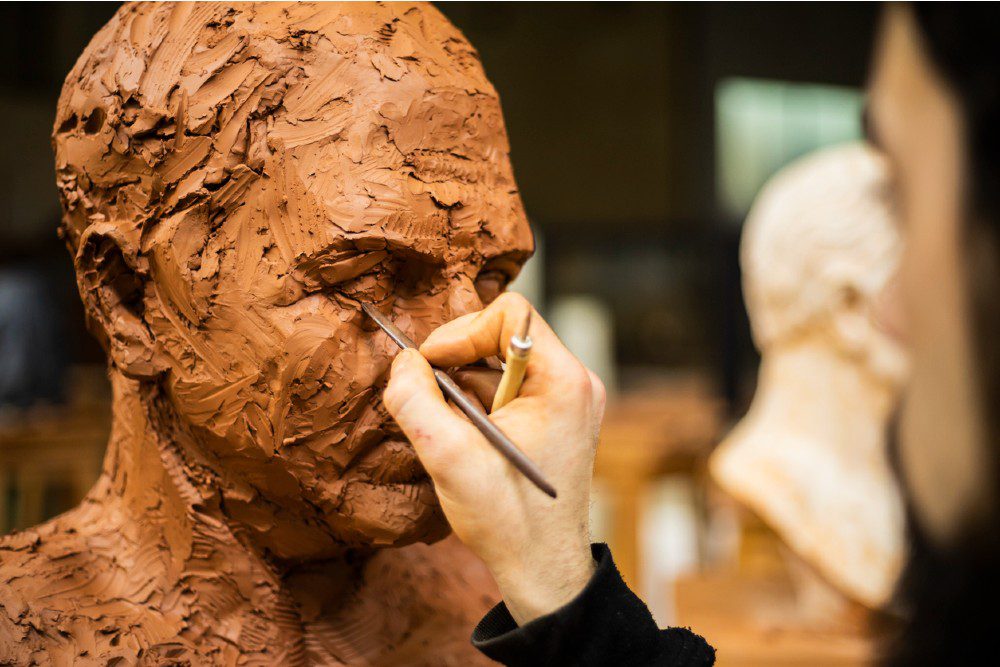
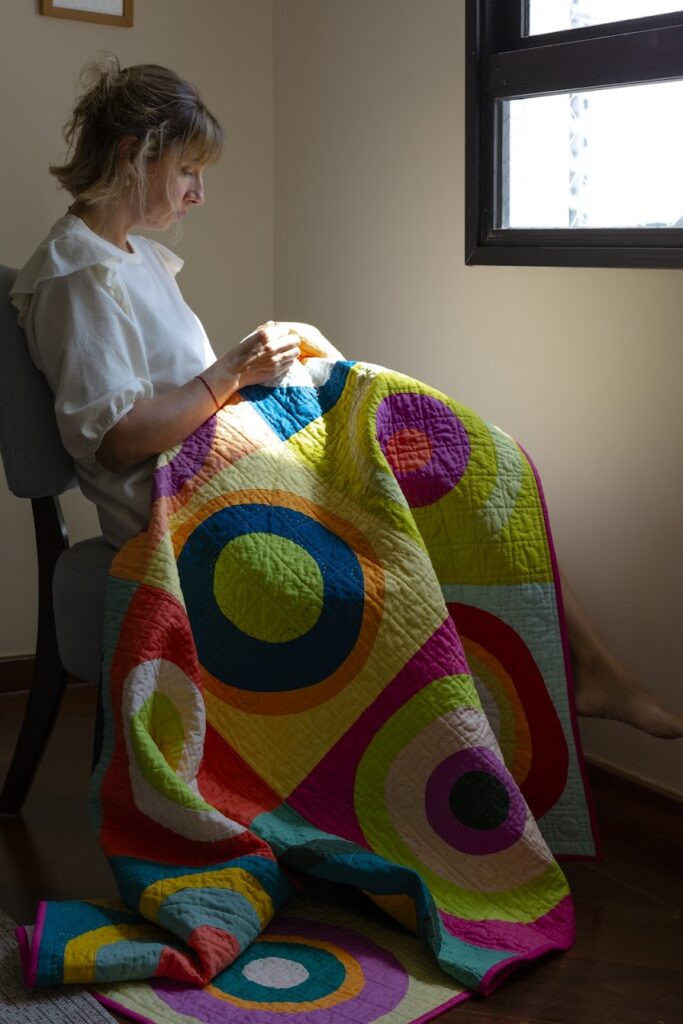
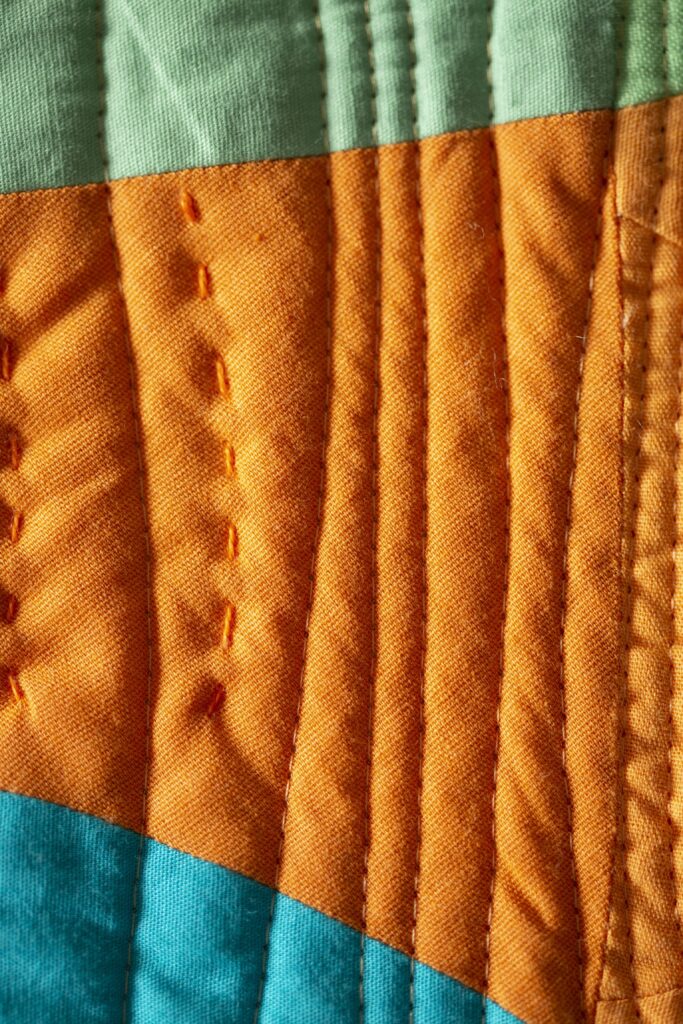
One of the most powerful qualities of textile art is that it carries the evidence of the body. Hands cut, guide, stitch, and adjust. Slight irregularities record time, movement, and decision-making. These marks are not distractions. They are meaning.
In a world increasingly shaped by digital precision and automation, the human trace has become more valuable, not less. Viewers respond instinctively to work that feels alive, that shows it was made by a person navigating uncertainty.
The Victoria and Albert Museum describes textiles as objects where technique, material, and human experience are inseparable. Imperfection is the bridge between those elements.
Perfection vs. Presence
Perfection asks us to look backward, measuring the work against an imagined ideal. Presence asks us to stay with what is actually happening.
When we focus on presence, we notice rhythm instead of symmetry, coherence instead of control, intention instead of polish. The work becomes responsive rather than rigid.
Many of my own quilts only found their voice after I stopped trying to “fix” them and started listening. The moment I accepted irregularity, movement appeared. Composition softened. The piece began to breathe. This shift is not about lowering standards. It is about changing what we value.
Imperfection and Creative Confidence
Fear of making mistakes is one of the biggest obstacles I see in artists at every level. Perfectionism often disguises itself as discipline, but underneath it is usually fear: fear of judgment, fear of waste, fear of not being enough.
Embracing imperfection builds confidence because it reframes risk as exploration. Each decision becomes an experiment rather than a test. The maker stays curious instead of defensive.
Research on creativity and flow, particularly by psychologist Mihaly Csikszentmihalyi, shows that creative fulfillment emerges when challenge and skill are balanced. Imperfection keeps that balance alive. It introduces uncertainty, which invites engagement.
Why Imperfection Creates Meaning
Perfect surfaces rarely hold stories. Meaning lives in variation, tension, and evidence of choice.
When a quilt reveals its process, it invites the viewer into the making. It communicates not just an image, but an experience. Imperfection becomes a language — one that speaks of time, attention, and care.
This is why many of the most powerful textile works today resist smoothness and uniformity. They acknowledge that life itself is layered, uneven, and unresolved.