

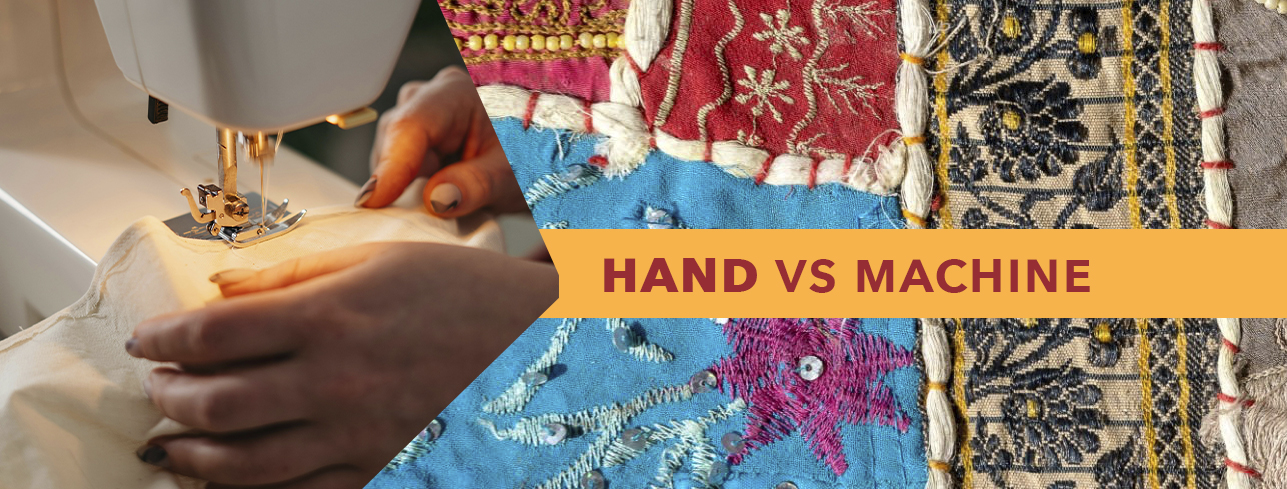
When it comes to finishing a quilt, the age-old debate of hand quilting vs machine quilting is one every quilter encounters. Both techniques offer their own set of strengths and challenges, and the best choice often comes down to what you value most: speed, precision, tradition, or artistry. Whether you’re a beginner planning your first project or an experienced quilter seeking a new creative path, understanding the differences between hand and machine quilting is key to making the right decision for your next masterpiece.
The Beauty and Benefits of Hand Quilting
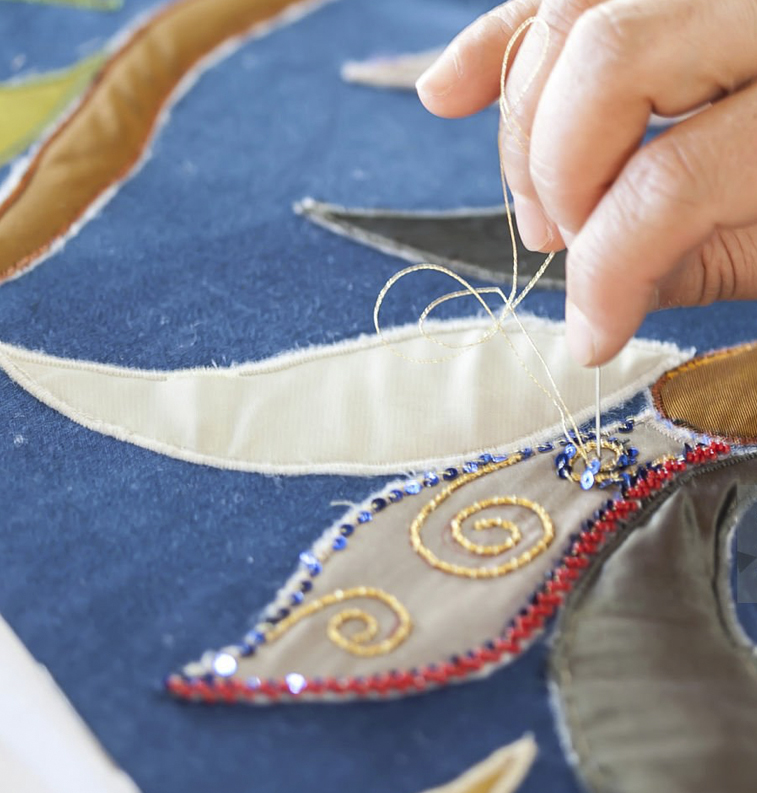
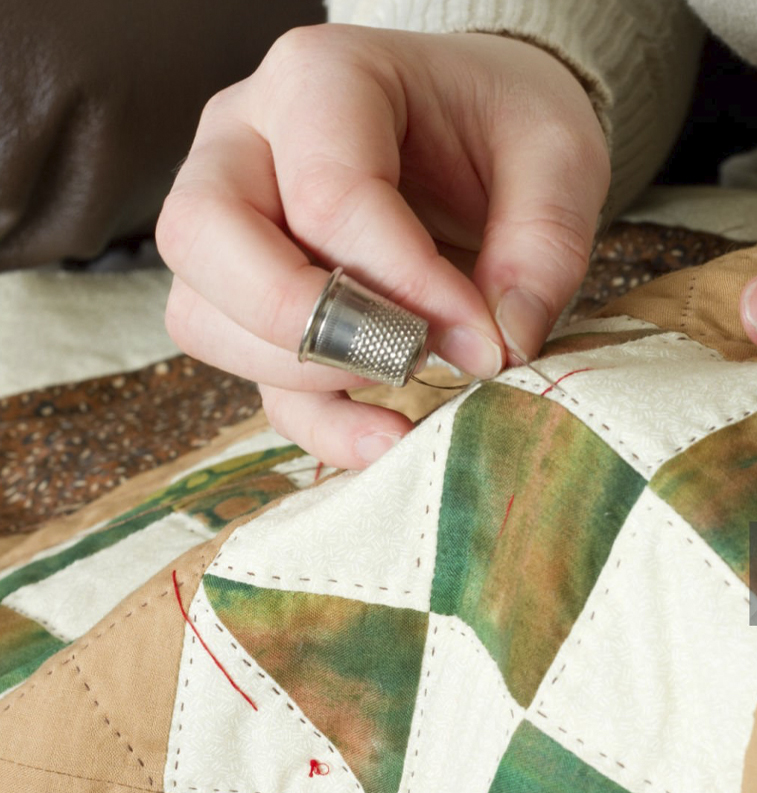
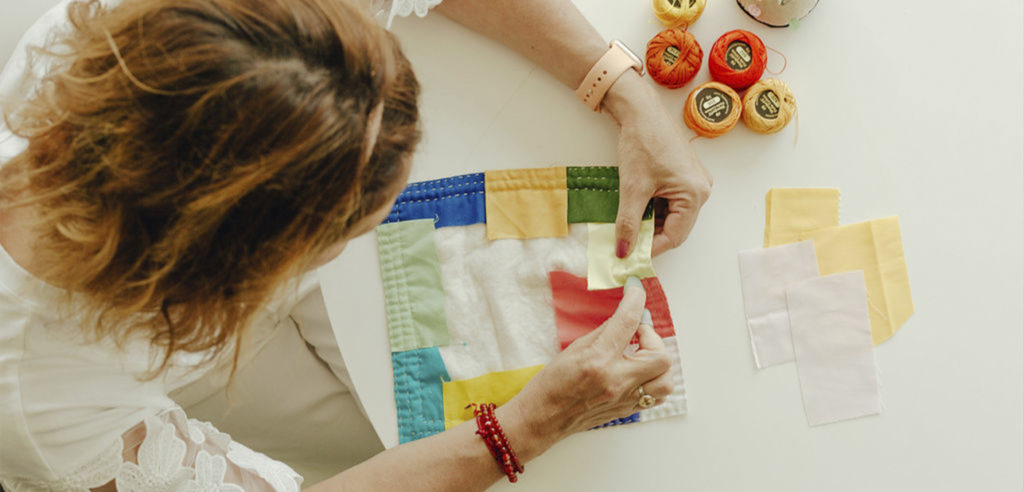
Hand quilting is a time-honored tradition that allows for slow, meditative stitching. Each quilted line is crafted by hand, often resulting in visible, charming imperfections that give the quilt character and warmth. Many quilters are drawn to this method because it fosters a strong connection to the fabric and design. It’s quiet, portable, and doesn’t require electricity or bulky equipment—just a needle, thread, and your hands.
This technique is ideal for small projects, heirloom quilts, or pieces where the quilting itself is part of the visual storytelling. It’s also a great option for those who enjoy working in a calm, focused environment and aren’t constrained by tight deadlines. However, hand quilting does take considerably more time and physical effort, which may not be suitable for everyone or every project.
The Speed and Precision of Machine Quilting
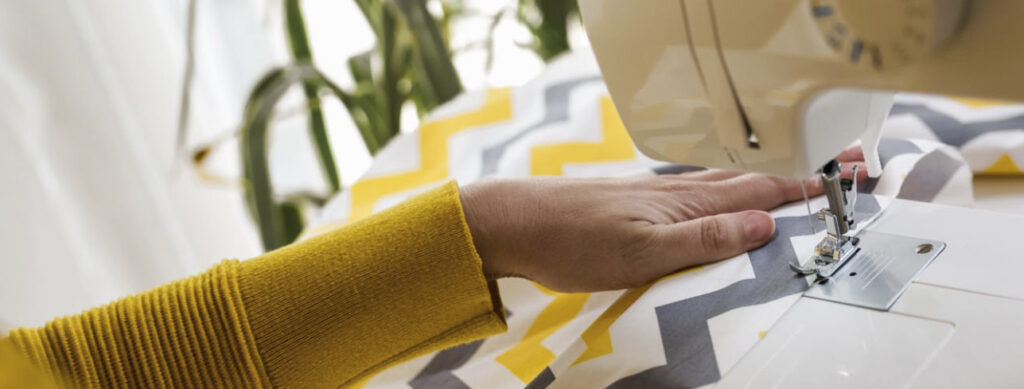
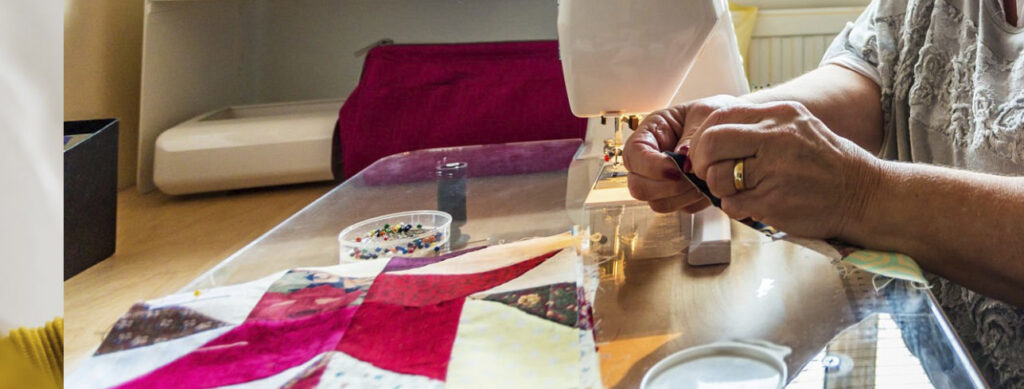
If your goal is to complete a quilt quickly or to add complex patterns with ease, machine quilting might be your best bet. When comparing hand quilting vs. machine quilting, this method uses a domestic sewing machine or a longarm quilting machine to stitch layers together. The results are uniform and consistent, and with practice, even intricate free-motion designs can be achieved. For quilters who sell their work or have multiple projects in the pipeline, the efficiency of machine quilting can’t be overstated.
Machine quilting also opens the door to modern aesthetics, with clean lines and detailed patterns that are difficult to achieve by hand. It’s perfect for large quilts, time-sensitive gifts, or any situation where durability and speed are key. However, it does require access to a good sewing machine and space to maneuver large quilt tops, which can be a barrier for some.
Modern Tools and Hybrid Options
Modern technology has created new possibilities within both categories. Computerized domestic machines offer precise stitch regulation and pattern capabilities that bridge the gap between hand and machine work. Digital longarm systems can replicate hand-quilted aesthetics while maintaining machine efficiency.
The emergence of quilting services allows quilters to focus on their preferred aspects of the craft while outsourcing others. Piecing enthusiasts can have their tops professionally machine quilted, while those who enjoy quilting but dislike piecing can purchase tops ready for hand quilting. These services offer more flexibility than ever before, and many are accessible online, including Carolina Oneto’s online quilt classes, which help quilters master new techniques at their own pace.
Choosing What Works for You
You don’t have to choose just one method when weighing hand quilting vs. machine quilting. Many quilters use both techniques in a single project to get the best of both worlds. For example, you might use machine quilting to secure the bulk of the quilt and add hand-quilted details to enhance the design. This hybrid approach allows for creativity and efficiency while still honoring traditional craftsmanship.
Consider your motivation for quilting when making this decision. If you’re drawn to the meditative aspects and historical connections of the craft, hand quilting may provide deeper satisfaction despite the time investment. If you’re motivated by productivity, creative expression through complex designs, or the desire to complete many projects, machine quilting might align better with your goals.
Making the Final Stitch
To decide which technique is right for you, ask yourself a few key questions:
- Do I want a fast finish, or am I okay with a longer process?
- Is this quilt meant to be an heirloom, a gift, or a functional everyday item?
- Do I have access to a quality sewing machine and enough workspace?
- Am I looking for a meditative hobby or efficient productivity?
The answer will help guide your decision, and remember, there’s no wrong choice. Both methods bring beauty and purpose to the art of quilting.


Start Your Next Project with Confidence
Whether you’re hand stitching around the edges of tradition or powering through with modern precision, choosing the right technique will elevate your quilt. Explore Carolina Oneto’s online quilt classes for step-by-step guidance, creative ideas, and the skills you need to take your quilting to the next level.