

Quilting has long been cherished as a beloved craft, but did you know it can also serve as a potent tool for political expression? This unique art form allows quilters to stitch together narratives that reflect the pressing social issues of our time. By transforming fabric into a canvas for activism, quilts can speak volumes about community sentiments and inspire change. In this post, we’ll explore how narratives in fabric not only preserve history but also engage in meaningful dialogue on today’s political landscape. Whether you’re a seasoned quilter or new to the art, you’ll find that the intersection of quilting and activism offers a powerful platform for expression and advocacy. For a visual exploration of quilting as political expression, check out this inspiring collection on Instagram.
Quilting as Political Expression
Quilting has evolved from a practical craft to a powerful medium for political and social commentary. This section explores the rich history of quilting and its transformation into a tool for expressing societal concerns.
Historical Roots of Quilting
Quilting has a long and storied past, dating back centuries. It began as a practical way to create warm bedding from fabric scraps but quickly became an art form in its own right.
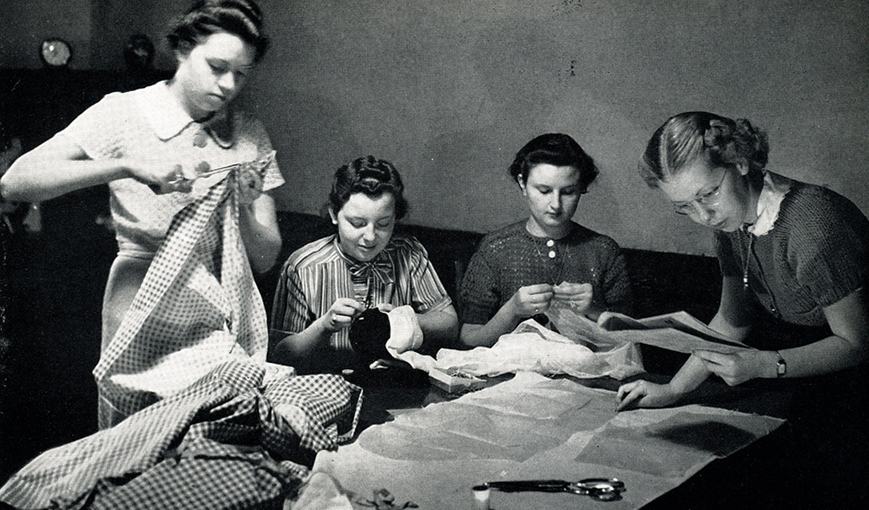
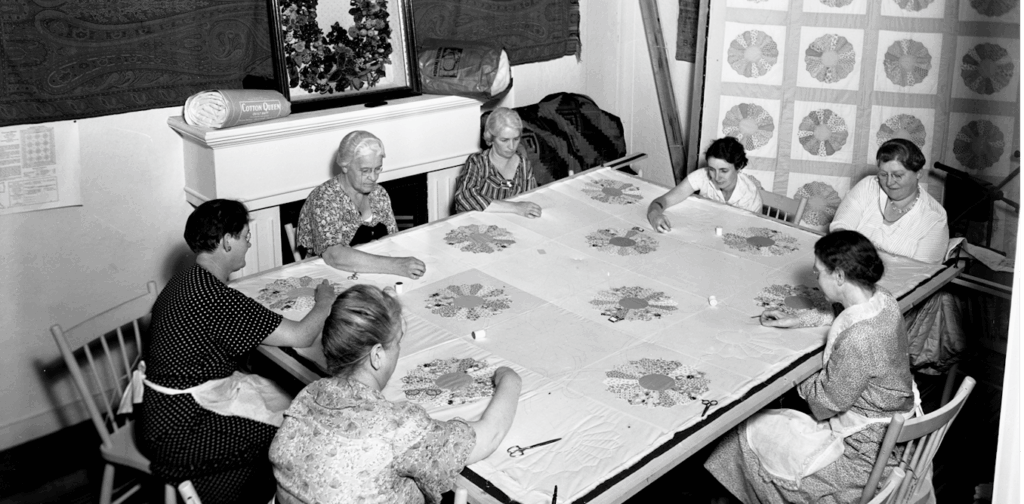
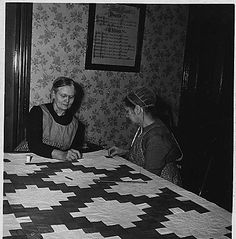
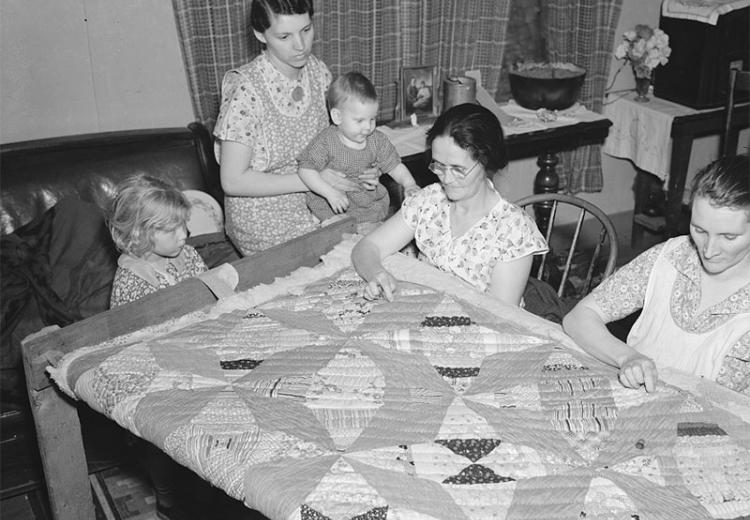
In early American history, quilting bees were social gatherings where women could share news and discuss important issues while working together. These events played a crucial role in building community bonds and sharing information.
As time went on, quilts became a way to preserve family histories and cultural traditions. Patterns and designs often held special meanings, passing down stories through generations.
Quilts as Social Commentary
Quilts have long been used to make powerful statements about society and politics. This tradition dates back to the 19th century when quilts were used to support causes like abolition and women’s suffrage.
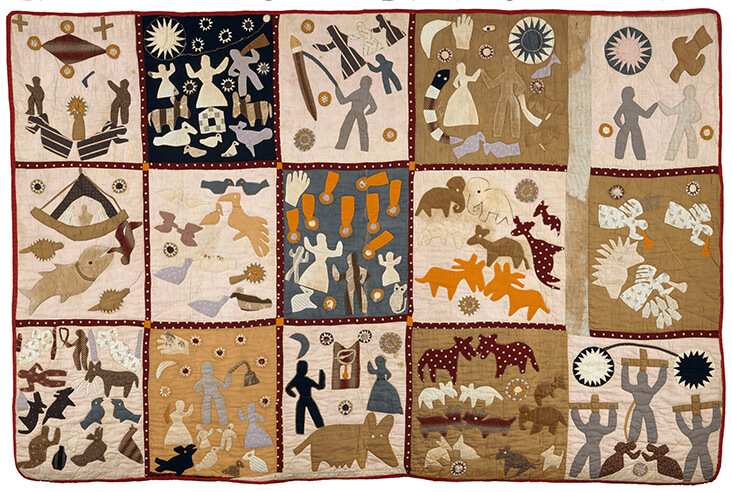
During the Civil Rights Movement, quilts became a way for African American women to express their experiences and aspirations. The famous Gee’s Bend quilts, for example, are now recognized as important works of art that speak to the African American experience.
Today, quilters continue to use their craft to comment on current events and social issues. From climate change to racial justice, quilts serve as a canvas for political expression, allowing artists to stitch their views into fabric.
Social Issues in Quilting
Quilting offers a unique platform for addressing various social issues. This section delves into how quilters tackle inequality and environmental concerns through their art.
Addressing Inequality Through Quilts
Quilts have become a powerful tool for highlighting social inequalities. Many quilters use their craft to shed light on issues like racial discrimination, gender inequality, and economic disparities.
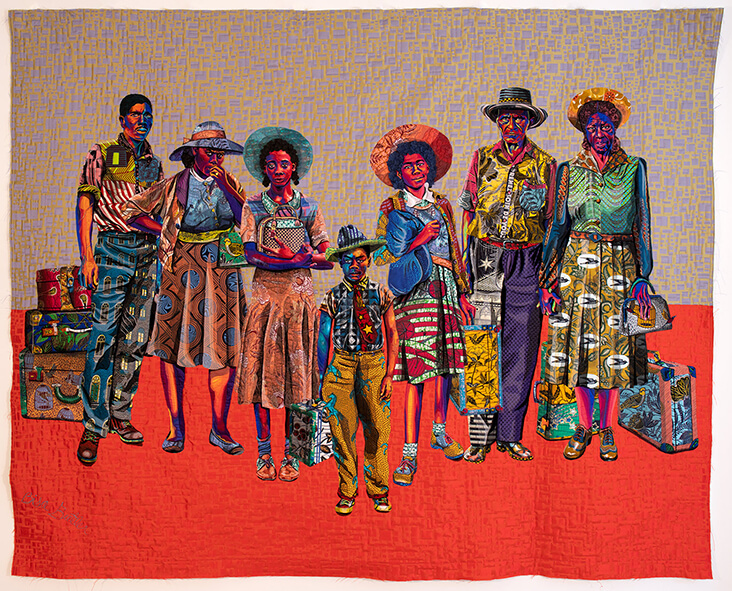
For example, some quilts depict scenes of protest or feature portraits of civil rights leaders. Others use symbolic patterns and colors to represent different aspects of inequality.
The Political Patchwork exhibition at the National Museum of Women in the Arts showcases how quilters have used their art to address various forms of inequality throughout history.
Environmental Messages in Fabric Art
Environmental concerns have found their way into the world of quilting, with many artists using their work to raise awareness about climate change and ecological issues.
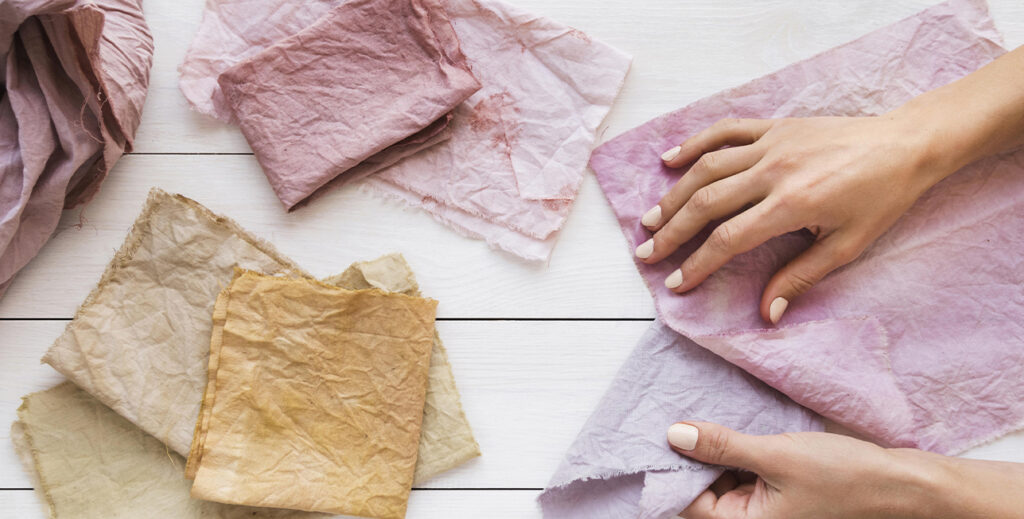
Some quilters incorporate recycled materials into their pieces, turning discarded fabrics into beautiful works of art. This practice not only reduces waste but also sends a powerful message about sustainability.
Others create quilts that depict endangered species, melting glaciers, or the impact of pollution. These visual representations can be more impactful than words alone, helping viewers connect emotionally with environmental issues.
Quilts and Activism
Quilting has become a form of activism, allowing individuals and communities to express their views and advocate for change. This section explores how quilts are used in community projects and highlights some notable activist quilters.
Community Quilting Projects
Community quilting projects bring people together to create quilts that address shared concerns or celebrate common values. These collaborative efforts often result in powerful statements about social issues.
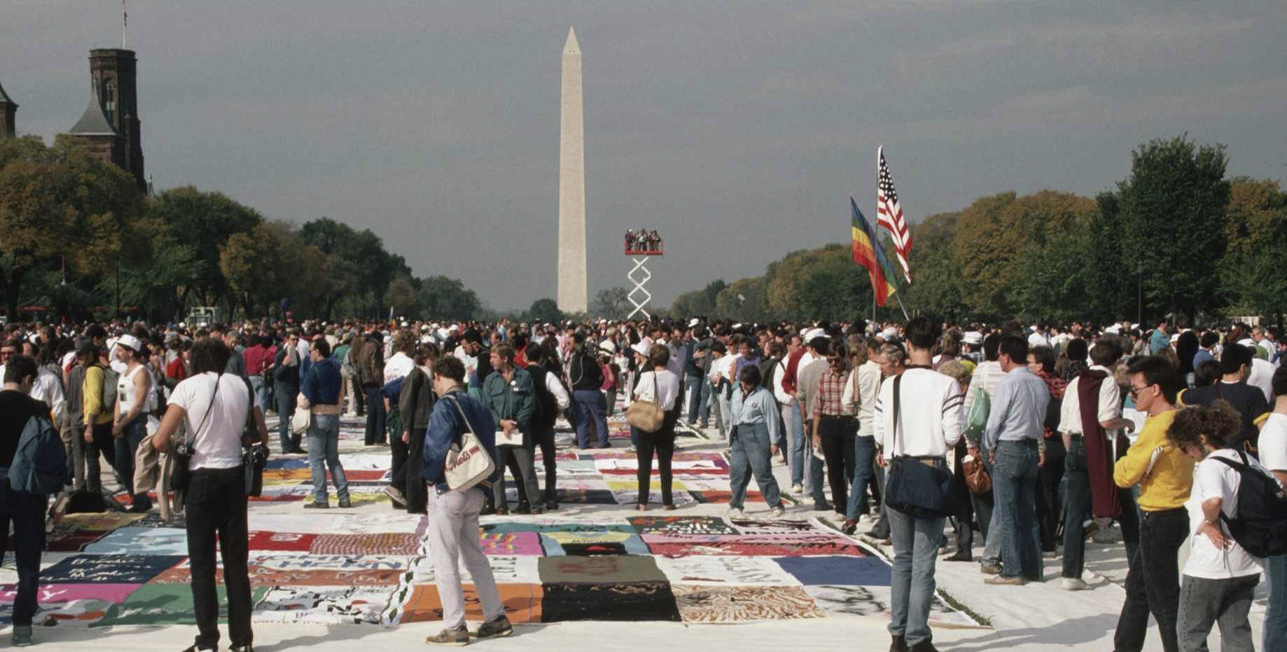
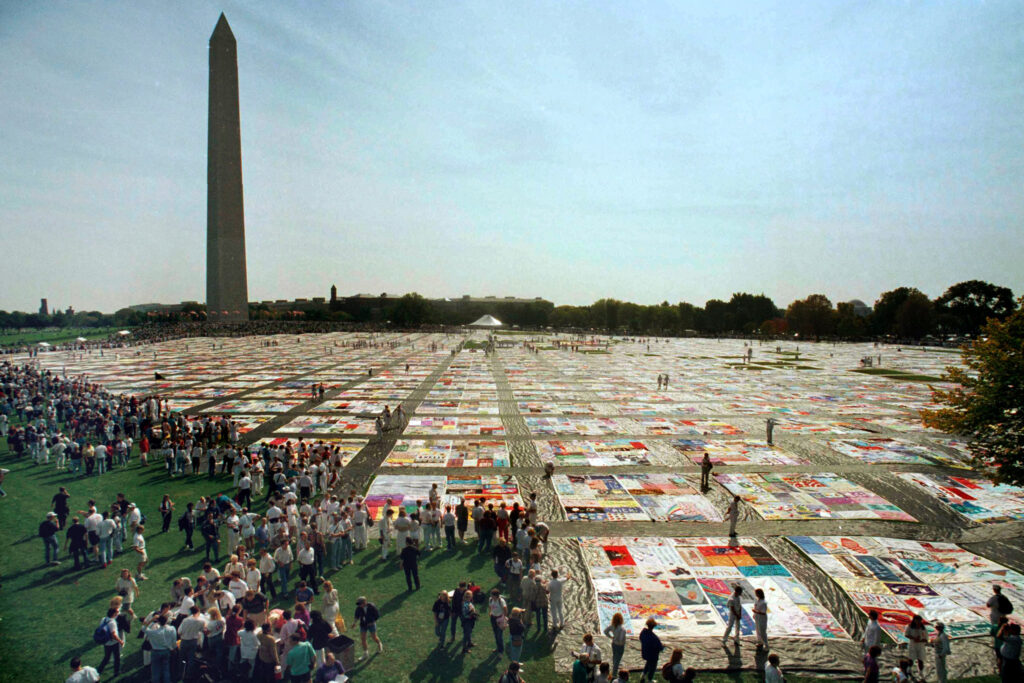
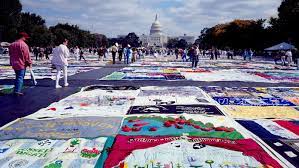
One example is the AIDS Memorial Quilt, which began in 1987 and has grown to include over 48,000 panels. This massive quilt honors those lost to AIDS and raises awareness about the ongoing impact of the disease.
Local quilting groups often organize projects around specific themes, such as supporting veterans or promoting racial harmony. These projects not only create beautiful quilts but also foster dialogue and understanding within communities.
Notable Activist Quilters
Many quilters have gained recognition for their activist work, using their art to spark conversations about important social and political issues.
Faith Ringgold, for example, is known for her story quilts that explore African American history and culture. Her work has been exhibited in major museums and has inspired countless other artists.
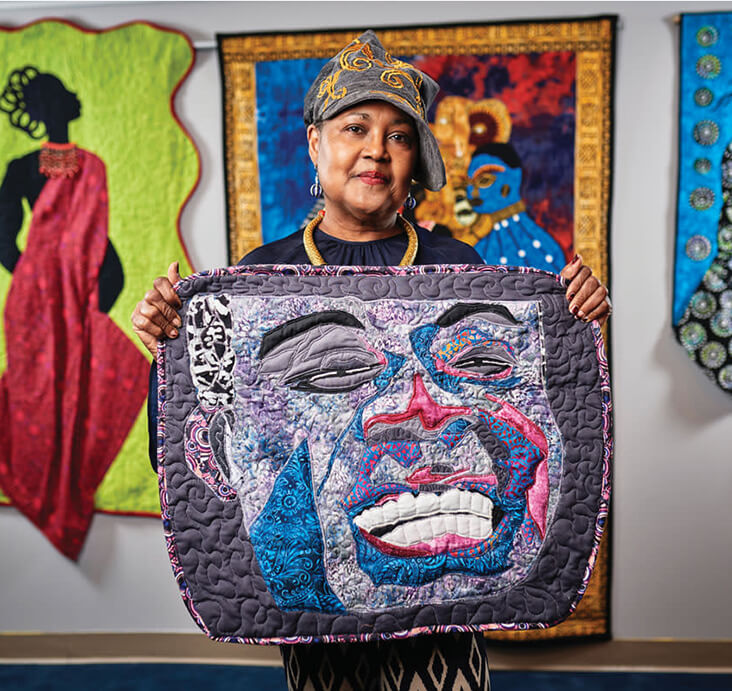
Carolyn Mazloomi, founder of the Women of Color Quilters Network, has curated numerous exhibitions that showcase quilts addressing social justice issues. Her work has helped bring attention to the power of quilting as a form of political expression..
Narratives in Fabric
Quilts have the unique ability to tell stories through fabric and stitches. This section explores how personal narratives and historical events are preserved and shared through quilting.
Personal Stories in Quilts
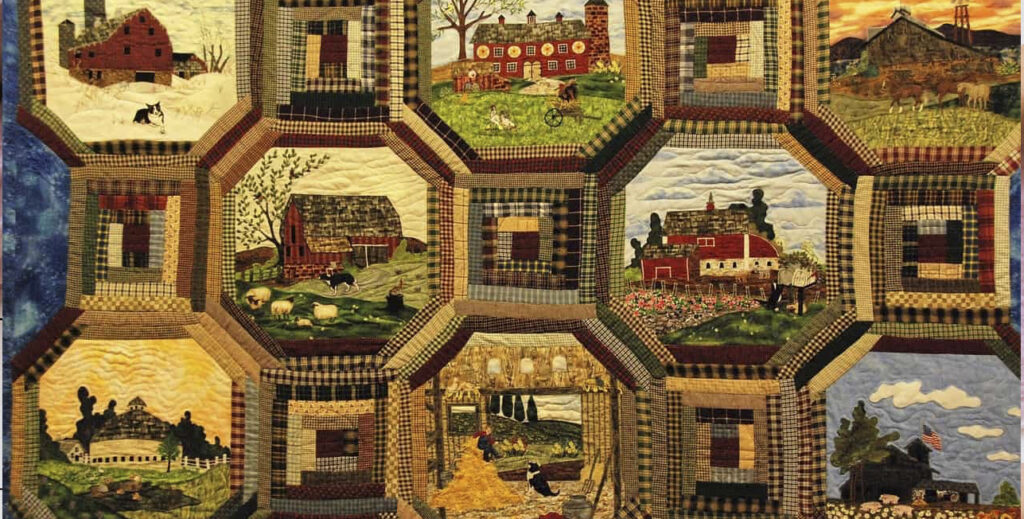
Quilts often serve as visual diaries, allowing makers to share their personal experiences and memories through fabric.
Many quilters create memory quilts using clothing from loved ones who have passed away, turning cherished items into lasting tributes. Others use quilting to process traumatic experiences or celebrate joyful moments in their lives.
The act of creating these narrative quilts can be therapeutic for the maker, while the finished pieces offer viewers a glimpse into deeply personal stories.
Historical Preservation Through Quilting
Quilts play a crucial role in preserving history, especially stories that might otherwise be lost or overlooked.
The Underground Railroad quilts, for example, are believed to have contained coded messages to help guide enslaved people to freedom. While the historical accuracy of these claims is debated, the story highlights how quilts can preserve and transmit important cultural narratives.
Contemporary quilters continue this tradition by creating works that document current events and social movements. These quilts serve as tangible records of our times, preserving stories for future generations.
Politics and Community Quilts
Quilting continues to be a powerful medium for political expression and community building. This final section examines how quilts reflect current events and foster connections among diverse groups.
Quilts Reflecting Current Events
Modern quilters often draw inspiration from current events, creating pieces that comment on political issues and social movements.
During the COVID-19 pandemic, many quilters created works that reflected the experiences of lockdown, social distancing, and loss. These quilts serve as visual time capsules of this unprecedented period in history.
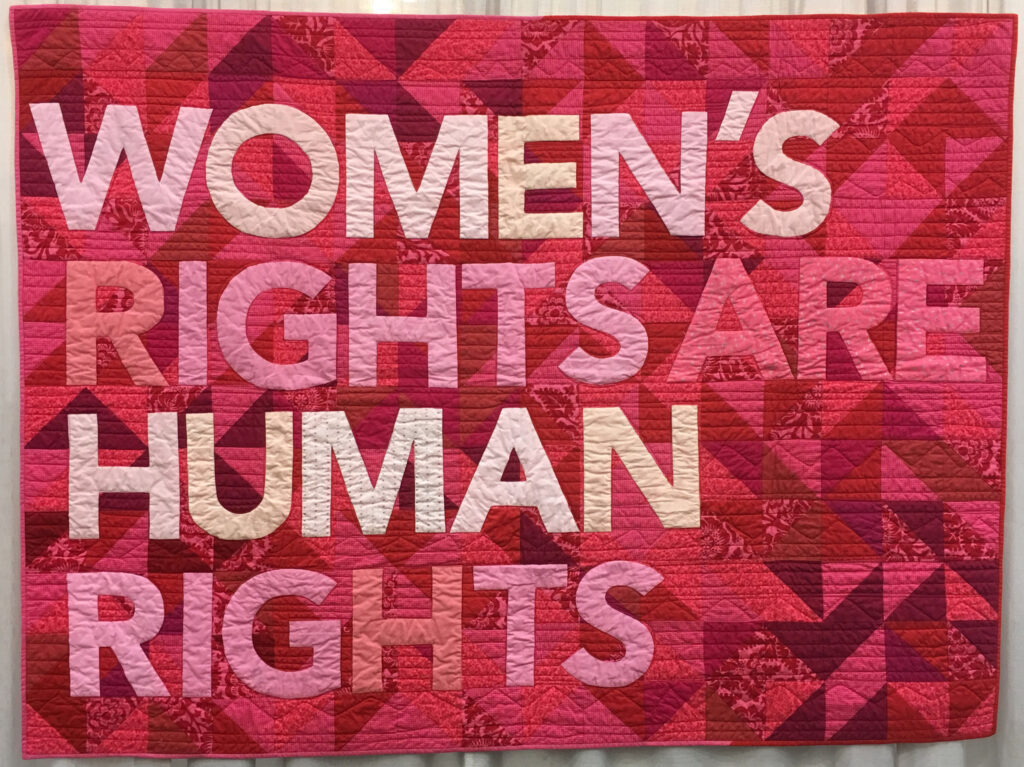
Political quilts addressing issues like climate change, racial justice, and women’s rights have become increasingly common, appearing in galleries, museums, and even protest marches.
Building Community Through Quilting
Quilting has a unique ability to bring people together, fostering connections across diverse communities.
Quilting circles and guilds provide spaces for people to share skills, exchange ideas, and work on collaborative projects. These groups often become support networks, offering friendship and a sense of belonging.
Community quilt projects, such as those created after natural disasters or in response to tragic events, allow people to come together and heal through shared creativity. These quilts not only commemorate important events but also strengthen community bonds.