

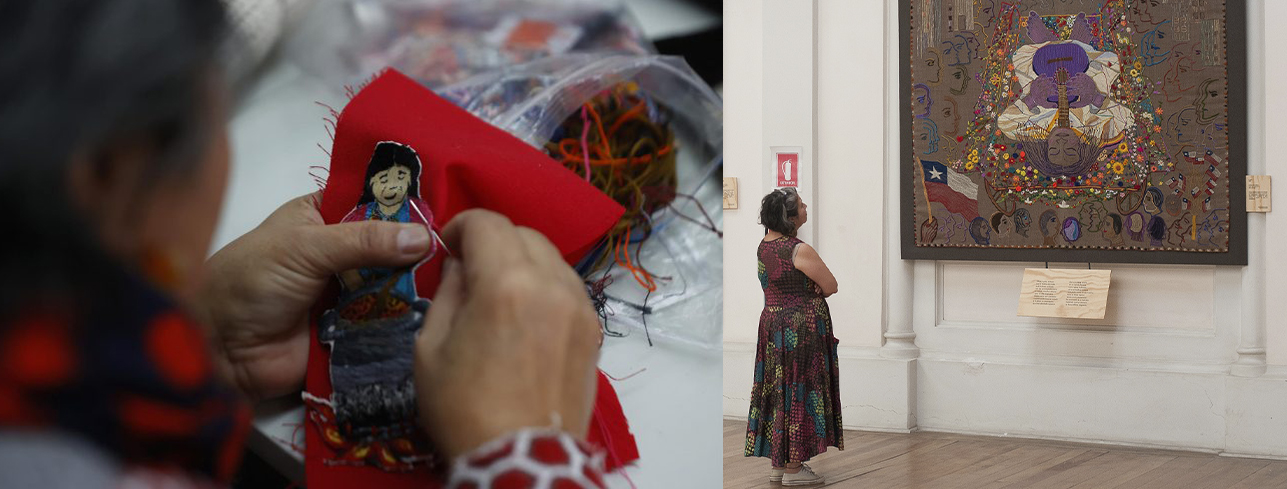
In the colorful world of textile art, Chilean Arpilleras stand out as vibrant chronicles of history and resilience. These intricate, hand-sewn pieces are much more than just beautiful crafts; they weave stories of social activism and political influence that have shaped Chilean culture. As we explore the unique role of these artworks, we’ll see how they served as a powerful voice in art and society, providing a platform for expression during times of upheaval. Whether you’re an aspiring quilter, a seasoned art lover, or someone with a keen interest in Chilean history, there’s something truly inspiring about how these quilts have stitched together the threads of activism and creativity. Join us on this fascinating look at how these textiles have become symbols of both cultural identity and artistic ingenuity. To learn more about the history and significance of arpilleras, check out this informative article from Smarthistory.
Introduction to Chilean Arpilleras
Chilean Arpilleras are a unique form of textile art that have played a significant role in social activism and cultural expression. This section will introduce you to the world of Arpilleras and their importance in Chilean society.
A Peek into Textile Art
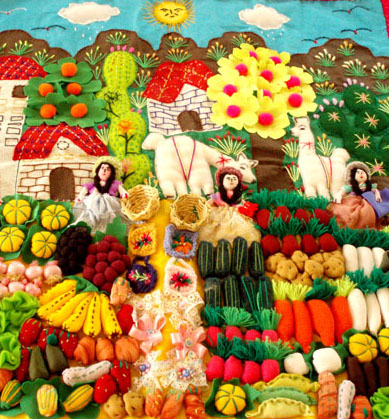
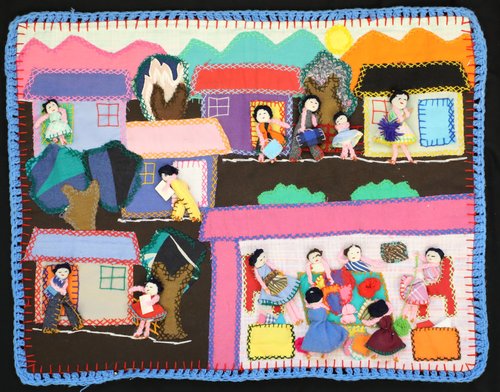
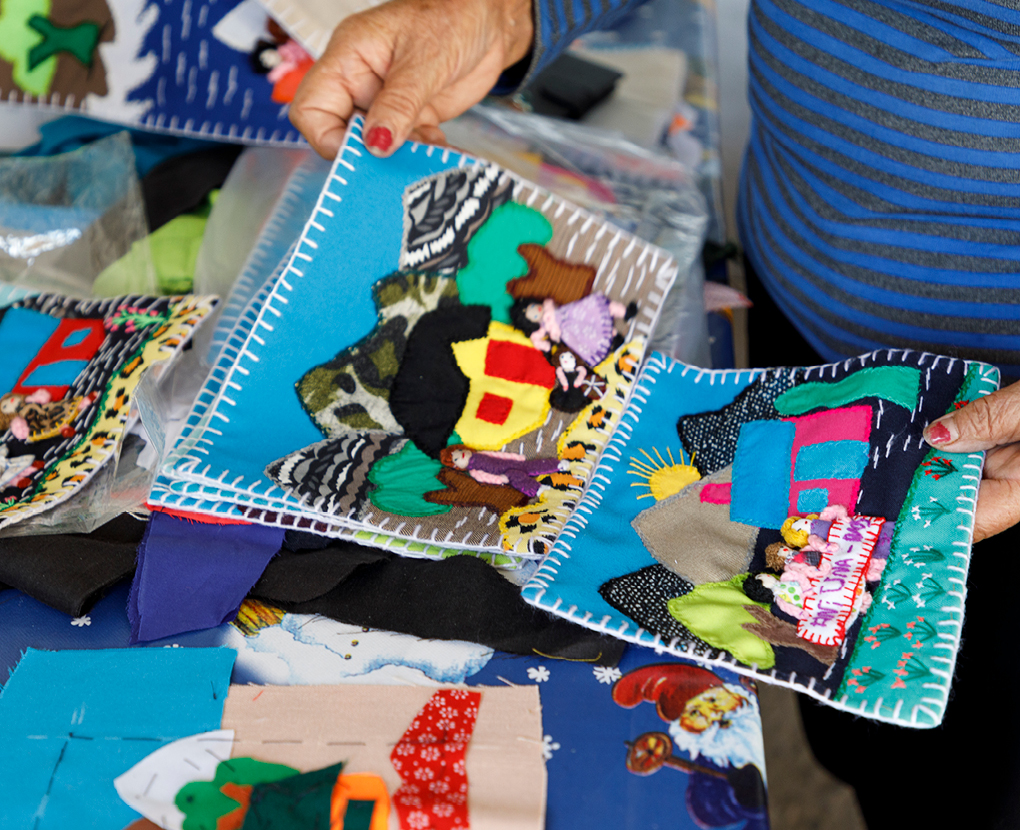
Chilean Arpilleras are vibrant, hand-sewn tapestries that tell stories of everyday life, political struggles, and social issues. These colorful quilts are made from scraps of fabric, often incorporating three-dimensional elements to create depth and texture.
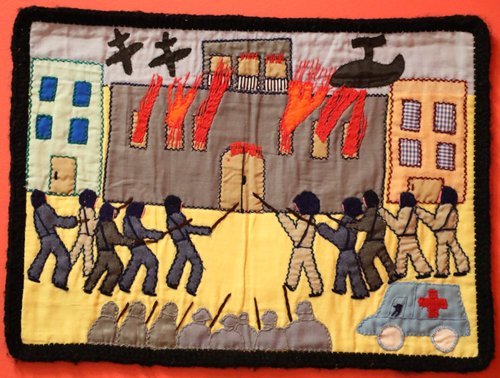
The art form originated in the 1970s during Chile’s military dictatorship, when women used their sewing skills to document and protest human rights abuses. Arpilleras became a powerful medium for expressing grief, hope, and resilience.
Today, Arpilleras continue to be a cherished form of textile art, showcasing the creativity and strength of Chilean women. They serve as historical records and works of art, attracting attention from collectors and museums worldwide.
Historical Context of Arpilleras
Understanding the historical context of Arpilleras is crucial to appreciating their significance. This section will explore the origins of this art form and its role in Chilean history and social activism.
Origins in Chilean History
The story of Arpilleras is deeply rooted in Chile’s tumultuous political history. These textile artworks emerged during the military dictatorship of Augusto Pinochet, which lasted from 1973 to 1990.
During this period, many Chileans, particularly men, were disappeared or exiled. Women, left to support their families, turned to creating Arpilleras as a means of income and a way to document their experiences.
The Catholic Church played a crucial role in supporting these women, providing a safe space for them to gather and create their art. This support allowed the Arpillera movement to grow and gain international attention.
Policial Influence and Social Activism
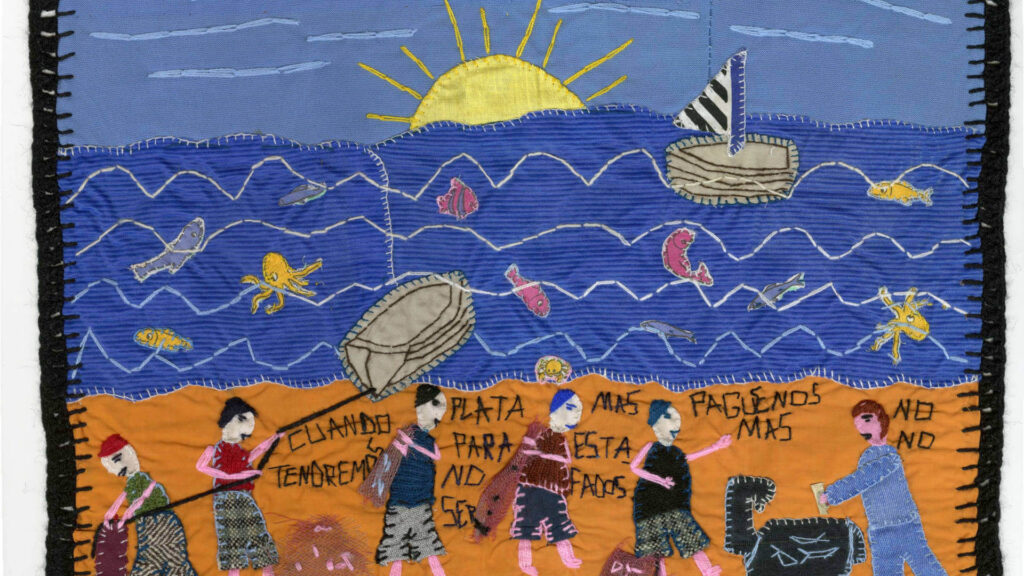
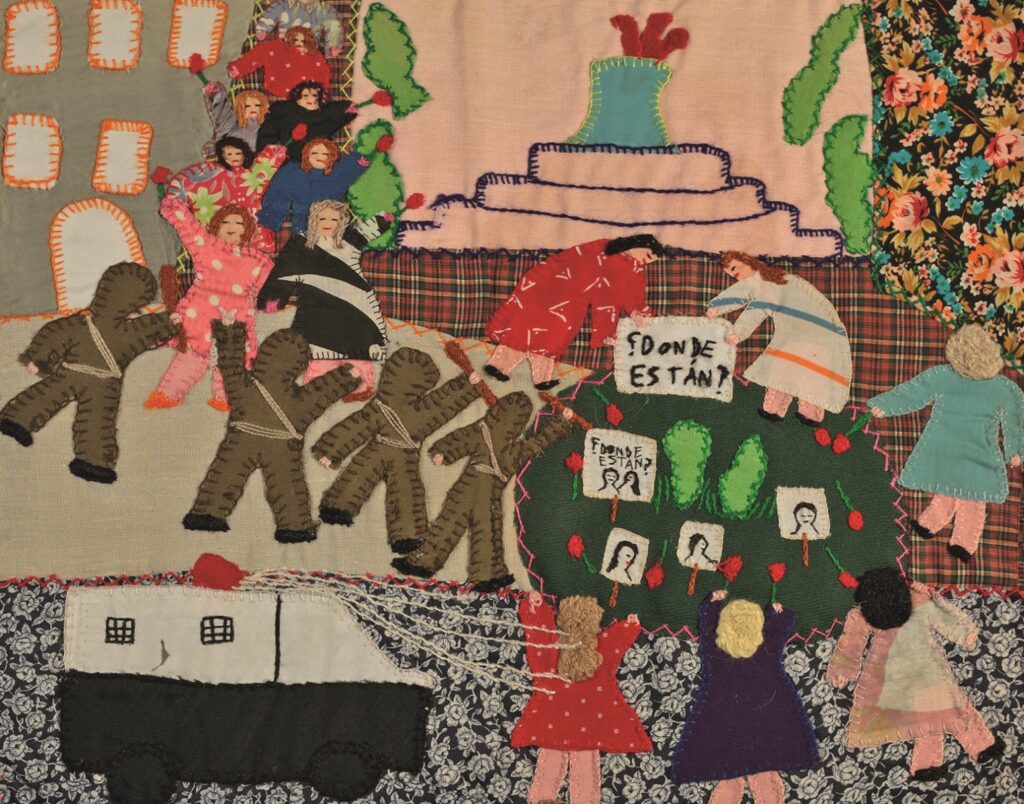
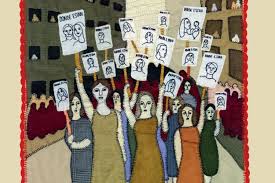
Arpilleras became a form of political resistance during the dictatorship. Women used their needles and threads to stitch scenes of human rights abuses, economic hardship, and social injustice.
These textile artworks were often smuggled out of Chile to raise international awareness about the situation in the country. They served as a non-violent form of protest when other means of expression were suppressed.
The creation of Arpilleras also had a therapeutic effect, allowing women to process their trauma and find solidarity with others who shared similar experiences. This art form became a powerful tool for healing and community building.
Cultural Impact of Arpilleras
Arpilleras have left an indelible mark on Chilean culture, influencing art, society, and national identity. This section explores how these textile artworks have shaped and reflected Chilean culture.
Weaving Chilean Culture
Arpilleras have become an integral part of Chilean cultural heritage, representing the resilience and creativity of its people. These textile artworks capture everyday scenes, traditions, and historical events unique to Chile.
Through their vibrant colors and intricate designs, Arpilleras showcase the diversity of Chilean landscapes, from the Andes mountains to coastal villages. They also depict cultural celebrations, traditional crafts, and local customs.
Arpilleras have played a crucial role in preserving and transmitting cultural memory, especially during times of political repression. They serve as a visual archive of Chilean history and identity.
Arpilleras in Art and Society
The influence of Arpilleras extends beyond the realm of traditional crafts, impacting contemporary art and social movements in Chile and beyond. These textile artworks have inspired painters, sculptors, and performance artists.
In society, Arpilleras have become symbols of women’s empowerment and grassroots activism. They demonstrate how art can be a powerful tool for social change and community building.
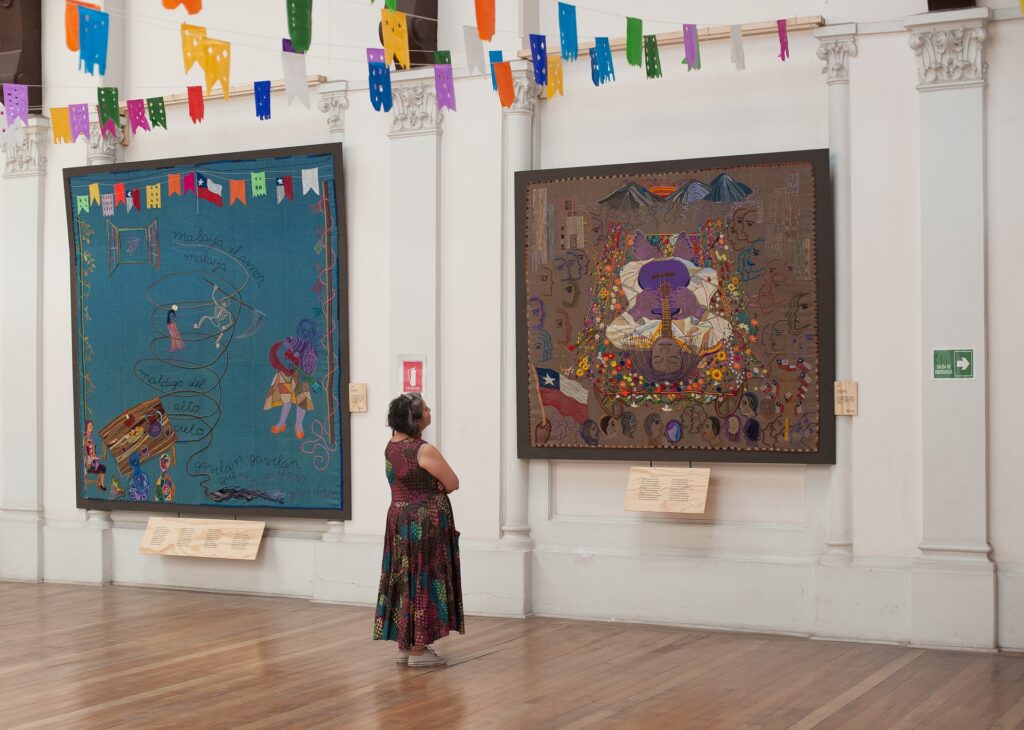
Museums and galleries around the world now exhibit Arpilleras, recognizing their artistic and historical value. This international recognition has further cemented their place in global cultural discourse.
Techniques and Styles in Arpilleras
The creation of Arpilleras involves unique techniques and styles that set them apart from other textile art forms. This section will explore the traditional methods and creative expressions found in these Chilean quilts.
Traditional Quilting Techniques
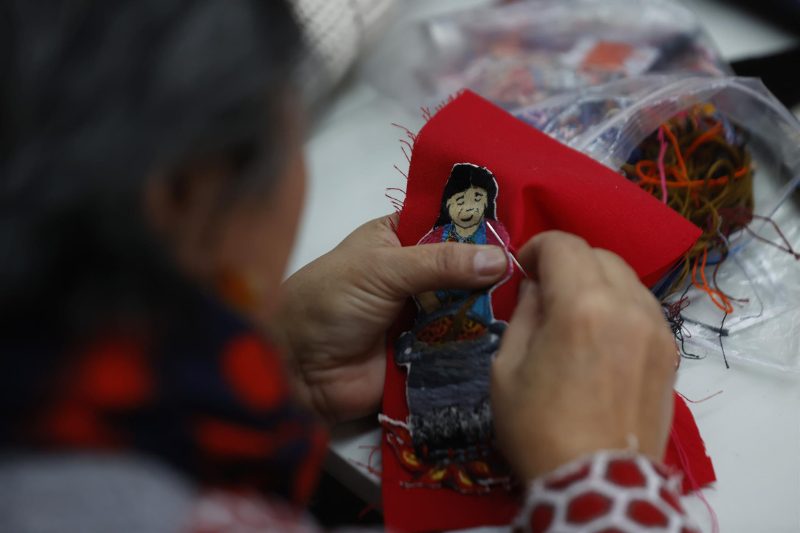
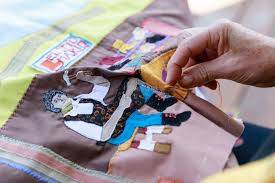
Arpilleras are created using a combination of appliqué and embroidery techniques. The base is typically a piece of burlap or rough cotton fabric, onto which various fabric scraps are sewn to create scenes and figures.
Three-dimensional elements are often incorporated, such as tiny dolls or miniature objects, to add depth and realism to the scenes. This unique feature distinguishes Arpilleras from flat tapestries or quilts.
The stitching itself is usually simple, with large, visible stitches that add to the rustic charm of the artwork. This accessibility of technique allowed women from all backgrounds to participate in creating Arpilleras.
Creative Expressions in Quilts
The subject matter of Arpilleras varies widely, reflecting the diverse experiences and concerns of their creators. Some depict peaceful scenes of daily life, while others portray more somber themes related to political oppression or social injustice.
Color plays a crucial role in Arpilleras, with bright, contrasting hues often used to create eye-catching compositions. The choice of colors can also carry symbolic meaning, adding layers of interpretation to the artwork.
Many Arpilleras incorporate text, either embroidered or appliquéd, to provide context or convey messages directly. This combination of visual and textual elements makes Arpilleras a unique form of narrative art.
Modern Relevance of Arpilleras
While rooted in a specific historical context, Arpilleras continue to be relevant in contemporary society. This section examines how this art form adapts to modern issues and inspires new generations.
Quilting as Social Activism Today
Arpilleras remain a powerful medium for social activism, addressing current issues such as climate change, gender equality, and indigenous rights. Modern Arpilleristas use their art to comment on global concerns.
The collaborative nature of creating Arpilleras continues to foster community engagement and empowerment. Workshops and community projects centered around Arpilleras help build social bonds and promote dialogue on important issues.
In the digital age, images of Arpilleras are shared widely on social media, reaching global audiences and inspiring activism beyond Chile’s borders. This digital presence has given new life to this traditional art form.
Inspiring New Generations in Textile Art
Arpilleras are inspiring a new generation of artists and activists to explore textile art as a means of expression. Young artists are combining traditional techniques with contemporary themes and materials.
Educational programs are incorporating Arpilleras into their curricula, teaching students about history, social issues, and artistic expression through this unique medium. This helps ensure the continuation of the Arpillera tradition.
The influence of Arpilleras can be seen in modern textile art movements around the world, from protest banners in Northern Ireland to community quilting projects in urban centers. This global impact showcases the enduring power of this Chilean art form.