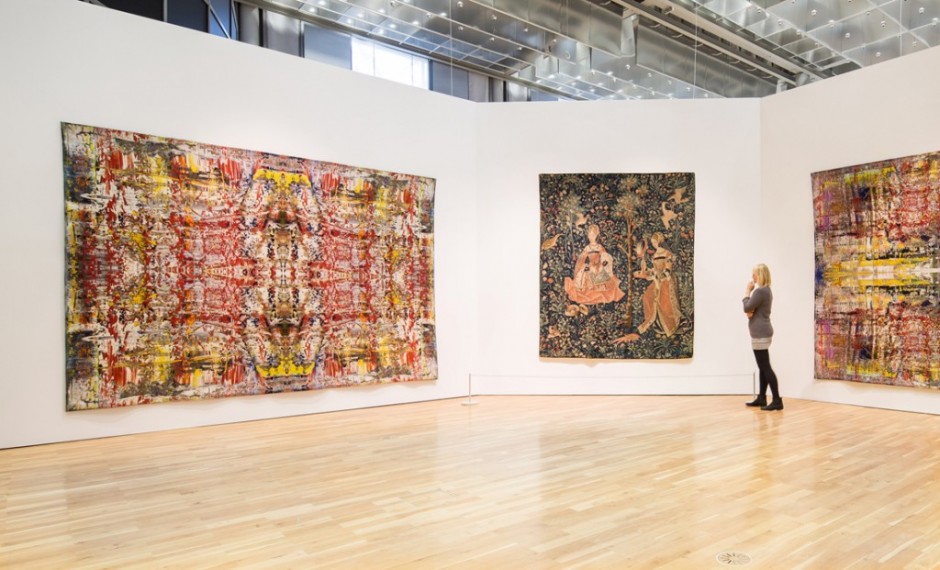

For generations, “fine art” was a guarded category: painting and sculpture sat at the top, while textiles were shunted to “craft,” “decorative,” or “applied” arts. That boundary wasn’t neutral—it reflected social hierarchies, gendered labor, and institutional habits. Today, that line is moving. Major museums, curators, collectors, and artists are reframing textile practices as central to modern and contemporary art, not peripheral.
Why were textiles historically excluded?
Utility over contemplation. Many textiles had everyday functions—garments, blankets, tapestries—and art history long equated utility with lower status. “Fine art” was defined as art made primarily for aesthetic or intellectual engagement, and textiles’ domestic roles were used to keep them out of that category.
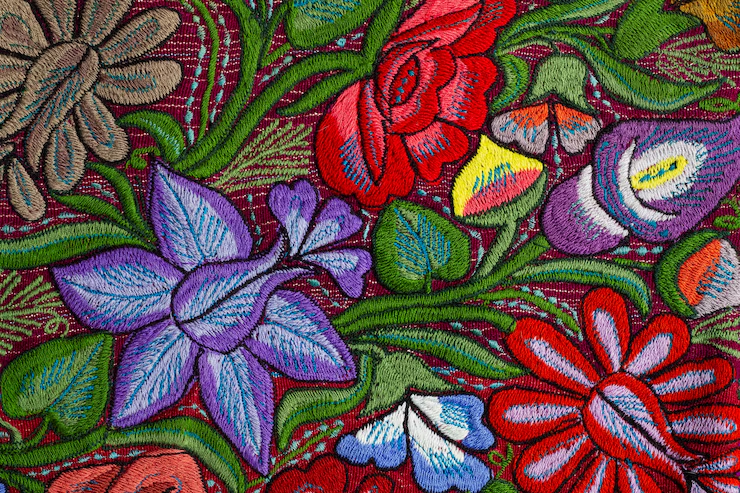
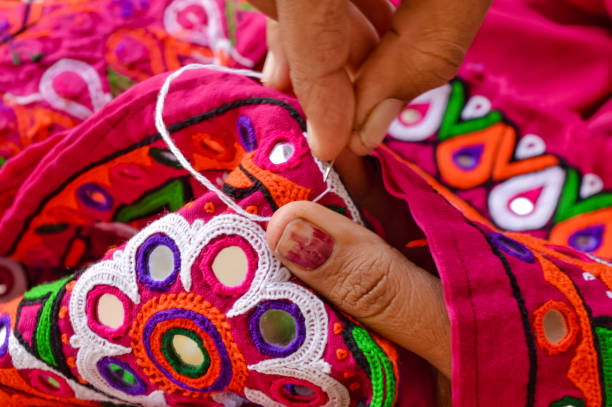
Gendered labor and “women’s work.” Weaving, embroidery, knitting, quilting, and sewing were historically feminized domains. Before the women’s movement of the 1960s–70s, such work was routinely denied the title of “fine art,” regardless of its conceptual or technical ambition.
Material hierarchies and institutional inertia. Canon-building favored oil on canvas and carved stone. Fragility, conservation demands, and the variability of fibers reinforced a bias against textiles in acquisitions, display, and scholarship.
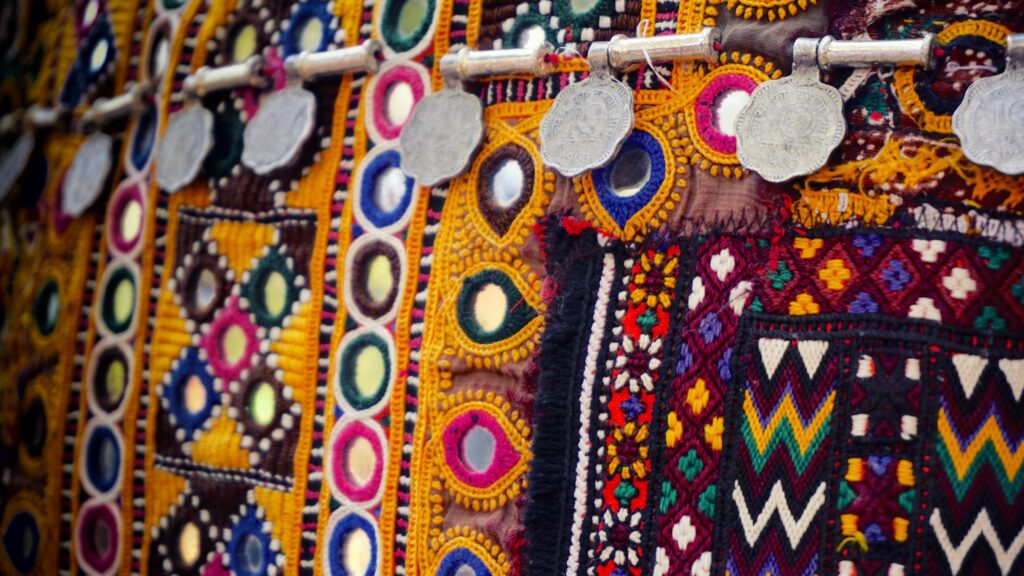
What’s changing?
Blockbuster exhibitions that center textiles as art history. Institutions like the National Gallery of Art (*Woven Histories: Textiles and Modern Abstraction*, 2024), the Metropolitan Museum of Art (*Weaving Abstraction in Ancient and Modern Art*, 2024), and the Smithsonian (*Subversive, Skilled, Sublime: Fiber Art by Women*) are explicitly reframing textiles as central to art history.
Scholarship that dismantles the “craft vs. art” wall. Academic writing shows how textile practices generate theory—color, structure, pattern, code, repetition—rather than merely illustrating it.
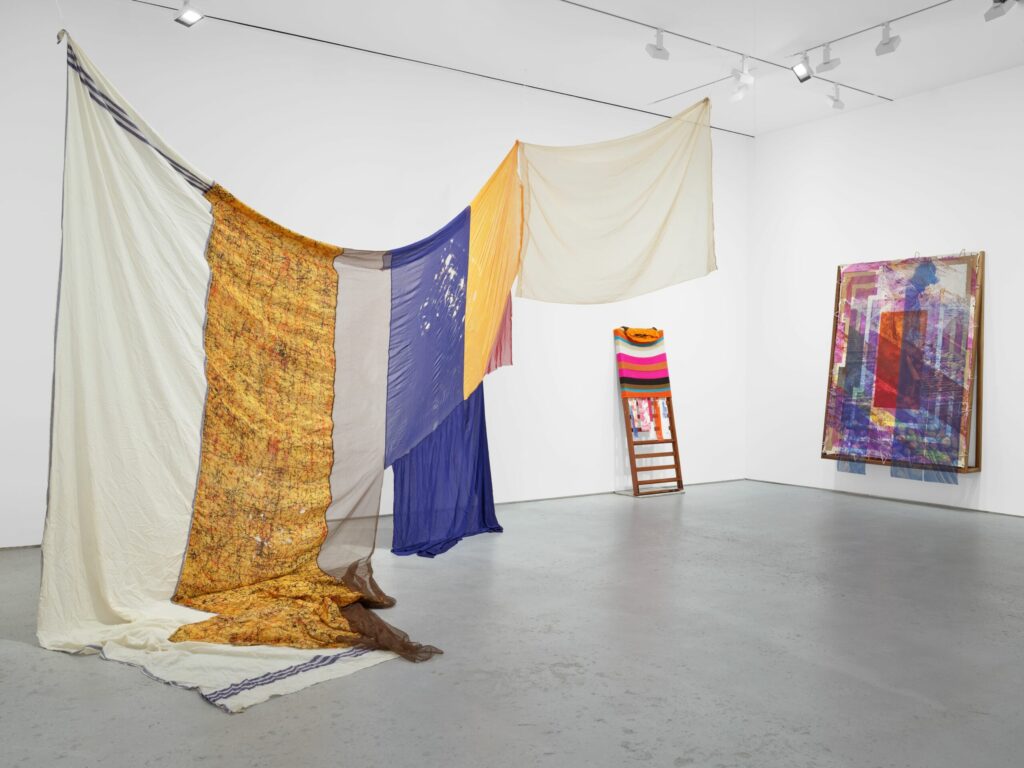
Market and institutional uptake. Museum acquisitions, curatorial posts focused on fiber, and art-fair visibility signal a durable shift, not a passing trend.
A contemporary toolkit that fits textiles. Today’s art values hybridity, social meaning, materials intelligence, and installation scale—all strengths of textile practices.
So…is textile art “fine art” now?
Increasingly, yes—when the work is conceived primarily for aesthetic/conceptual engagement, advances technique or form, and participates in contemporary discourse and display contexts. The decisive factor is not the medium but intent, execution, and framing.
What still needs work?
Residual bias. The “crafty” label hasn’t vanished; some acquisition and funding policies still encode old hierarchies.
Conservation costs. Textiles require specialized care, which can constrain display time and budgets.
Language and categories. Museum taxonomies can silo textiles away from contemporary-art narratives—even when the artists operate squarely within them.
Focus: Mexico & Latin America—textiles operating as fine art
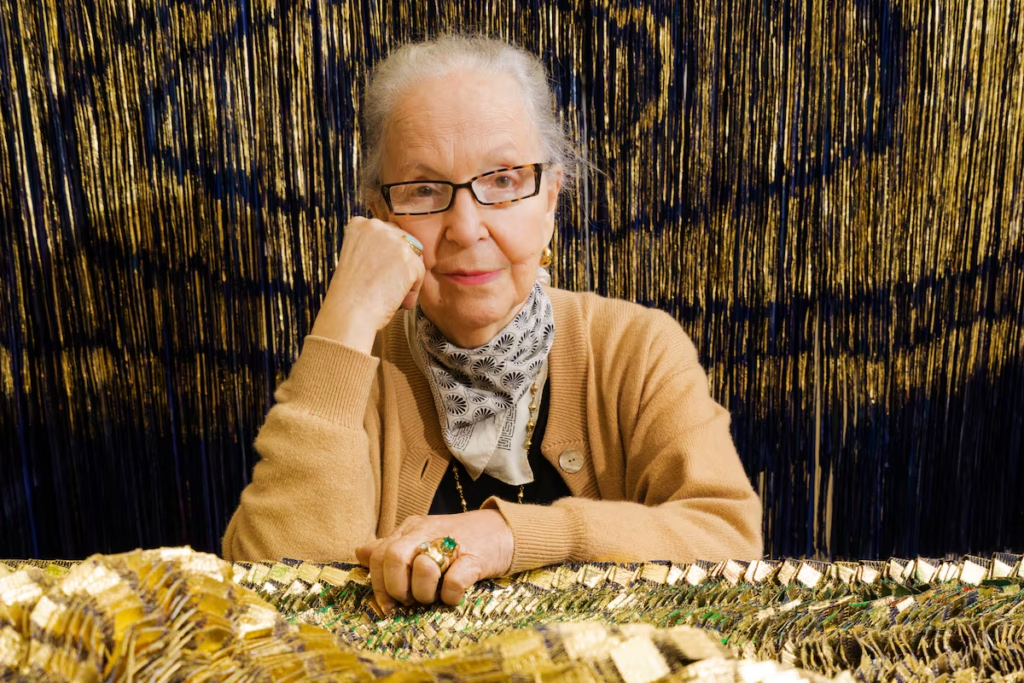
Olga de Amaral (Colombia). For decades, de Amaral has fused fiber with gold leaf and architectural scale to create materially and conceptually rich works collected and exhibited by major museums.
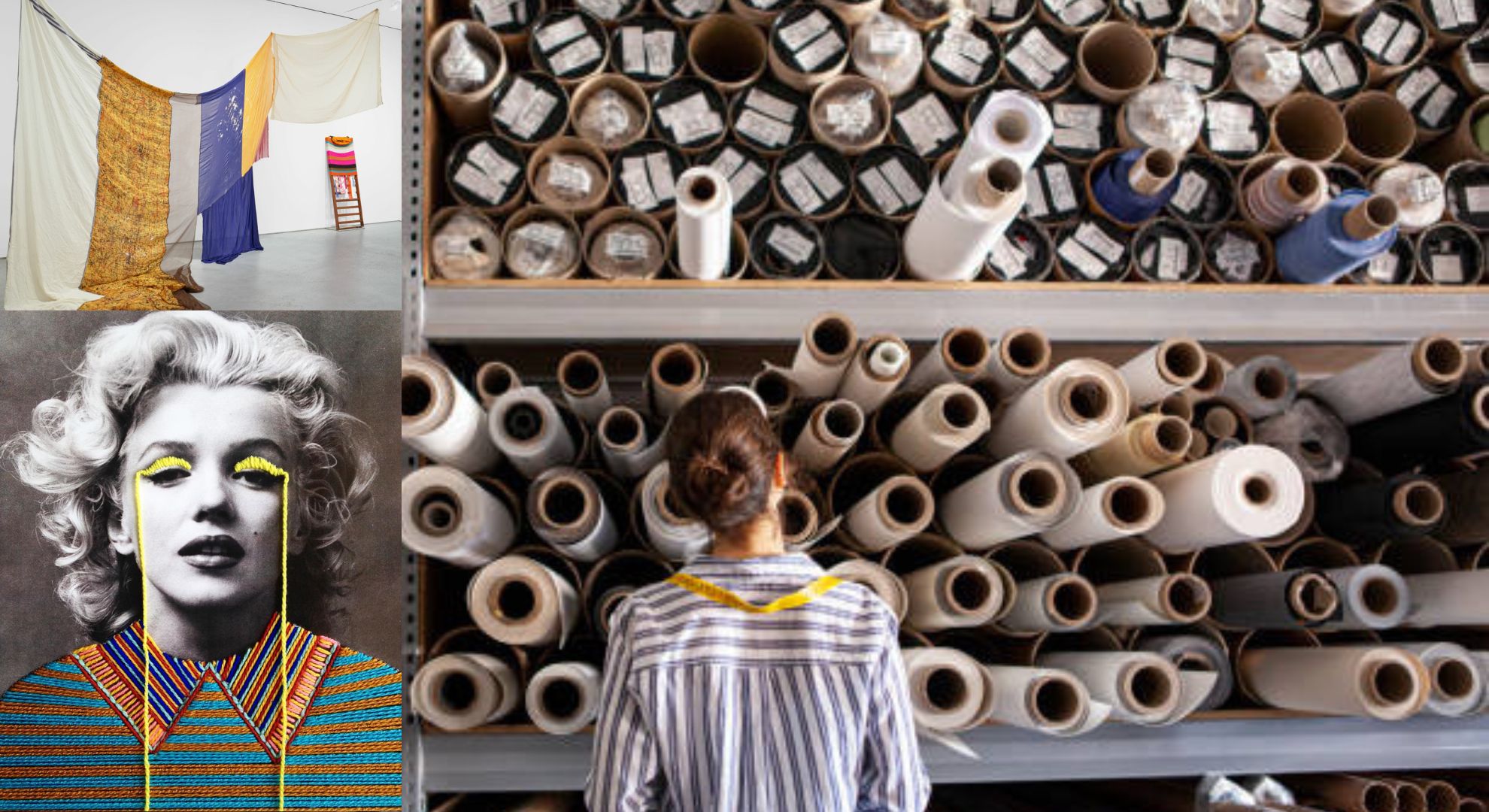
Pia Camil (Mexico). Working across textile, sculpture, and performance, Camil uses second-hand T-shirts and deadstock fabric to critique global consumerism. Her project *Wearing Watching* at Frieze New York (2015) blurred art, fashion, participation, and critique.

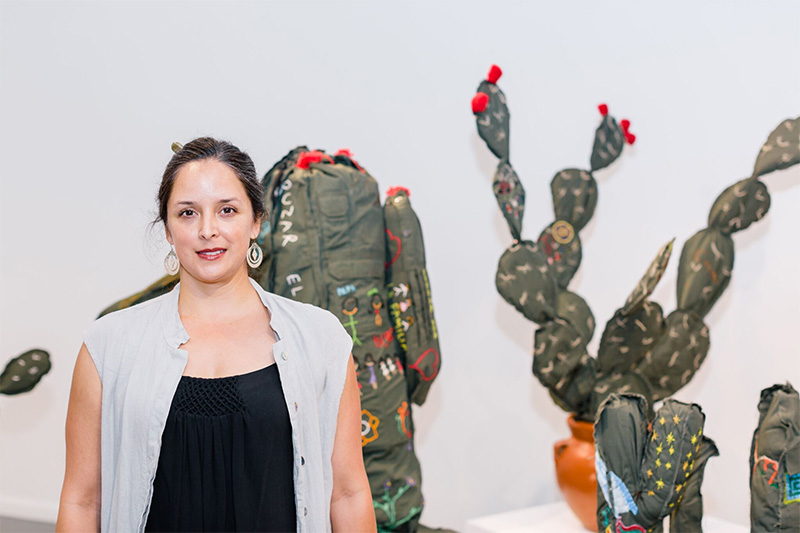
Margarita Cabrera (Mexico/Mexican-American). Cabrera’s soft-sculpture plants, made from U.S. Border Patrol uniform fabric and embroidered through community workshops, transform fiber into social sculpture about labor, migration, and policy.
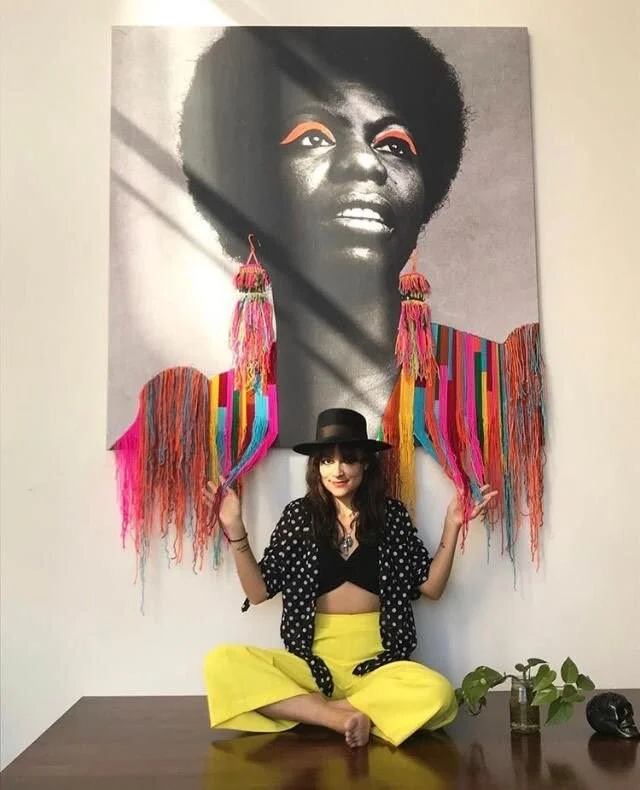
Victoria Villasana (Mexico). Villasana stitches vivid yarn and embroidery over photographs to address identity, culture, and memory. Her work is often exhibited in galleries and public-art contexts.
Institutions in Mexico. The Museo Textil de Oaxaca champions both heritage and contemporary practice—hosting exhibitions, workshops, and research that dissolve the old craft/fine-art divide.
Takeaways for artists, educators, and collectors
Use the medium’s strengths. Scale, repetition, structure, tactility, and time‐intense making are formal assets; narrative, cultural memory, and social participation are conceptual assets.
Frame the work clearly. Titles, statements, and installation choices can foreground concept over utility—how the piece thinks through color, code, pattern, labor, or ecology.
Cite the discourse. When writing about textile projects, reference the lineage now recognized by major institutions; it situates textile practice squarely inside art history.
Conclusion
Textile art has always been capable of profound aesthetic and conceptual work; what’s changed is the willingness of institutions and audiences to see it that way. As exhibitions, scholarship, and market attention converge, the old boundary looks less like a rule of art and more like a historical prejudice being corrected. The question is no longer whether textiles can be fine art—but how artists and institutions will continue to expand what fine art can be.