

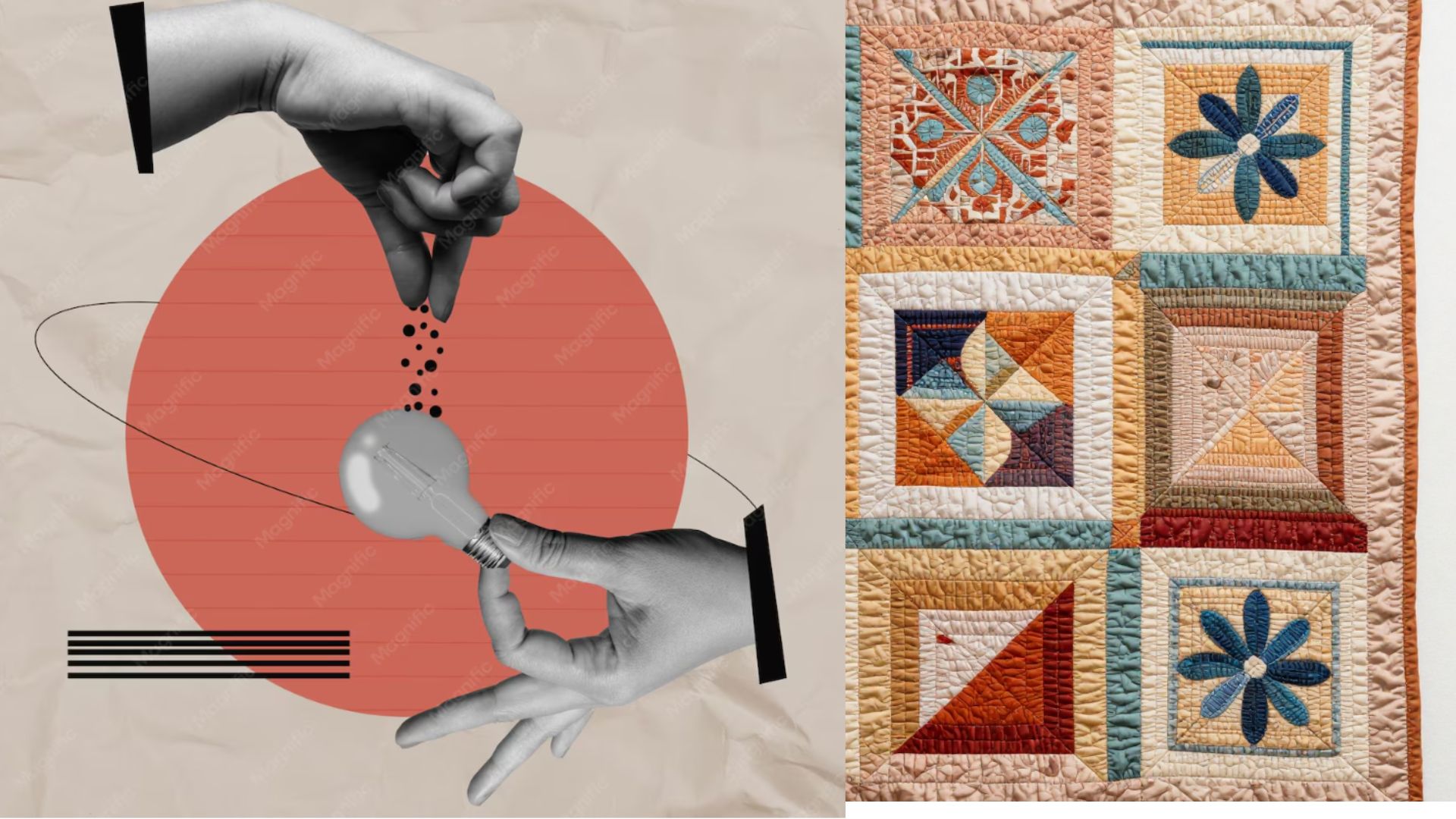
Making art is not only a technical act. It is an emotional one. Whether you are creating a quilt for exhibition, sharing work on social media, or presenting a piece at QuiltCon, you are exposing:
- Your interpretation of the world
- Your decisions
- Your taste
- Your values
- Your narrative
This exposure creates what psychologists describe as creative vulnerability.
Understanding the emotional risk of making art helps artists navigate critique, rejection, and public visibility with greater resilience.
Why Art Feels Personal
Neuroscience research shows that creative work activates regions of the brain associated with identity and self-representation. When we create, we are not simply producing an object — we are externalizing internal experience.
Because artistic choices reflect internal cognition, critique of the work can feel like critique of the self.
This explains why:
- Exhibition feels vulnerable.
- Rejection feels personal.
- Public commentary feels amplified.
The emotional risk of making art is rooted in identity exposure.

Vulnerability and Creative Courage
Researcher Brené Brown defines vulnerability as uncertainty, risk, and emotional exposure.
Making art meets all three conditions:
- Uncertainty (Will it work?)
- Risk (Will it be accepted?)
- Exposure (Others will see and judge it.)
Brown argues that vulnerability is not weakness — it is a prerequisite for creativity and innovation. Without risk, there is no growth.

Exhibition as Psychological Exposure
Displaying work publicly increases emotional intensity. Psychology research on evaluation anxiety shows that public judgment activates stress responses similar to social threat.
For artists, this may appear as:
- Fear of criticism
- Imposter syndrome
- Over-identification with feedback
- Avoidance of submission opportunities
This is particularly relevant in quilting communities where exhibitions are highly visible. The emotional risk of making art increases with visibility.
Rejection and Creative Resilience
Rejection is statistically inevitable in juried exhibitions. Research on resilience suggests that adaptive coping strategies — reframing, cognitive flexibility, and self-distancing — improve long-term creative persistence.
Artists who continue to submit work often develop:
- Separation between self and product
- Growth mindset
- Increased tolerance for uncertainty
Resilience is not the absence of disappointment. It is the ability to continue despite it.
Why Quilting Amplifies Emotional Risk
Quilting often carries personal narrative:
- Tribute
- Family history
- Cultural identity
- Migration stories
- Grief
- Memory
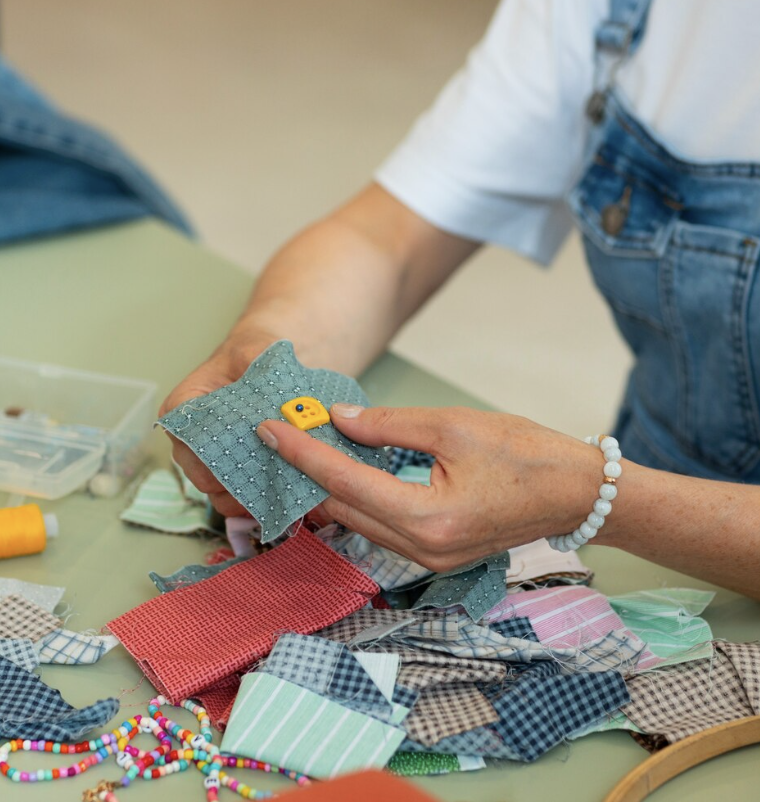
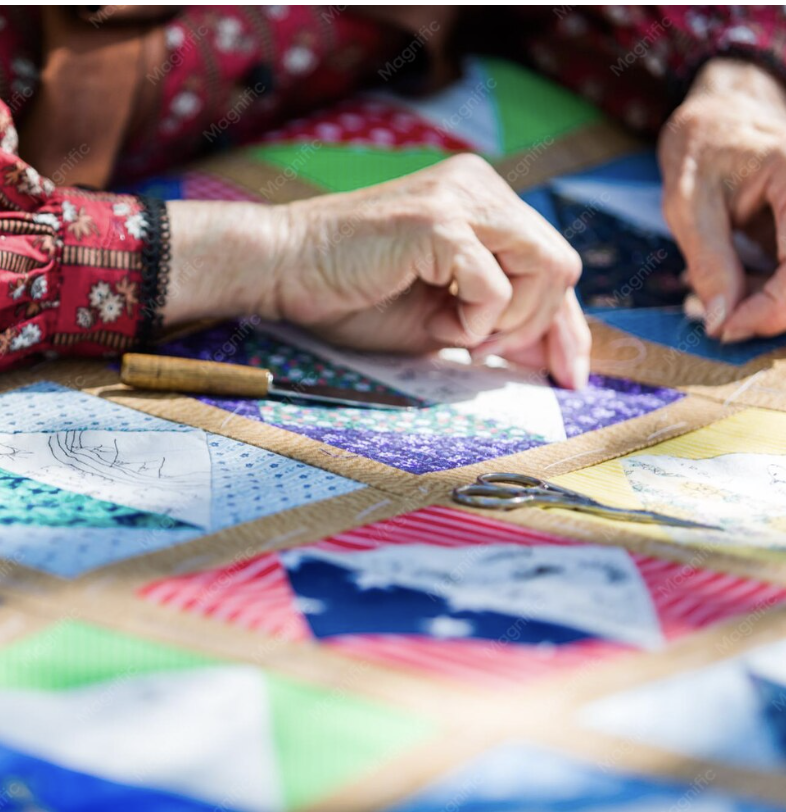
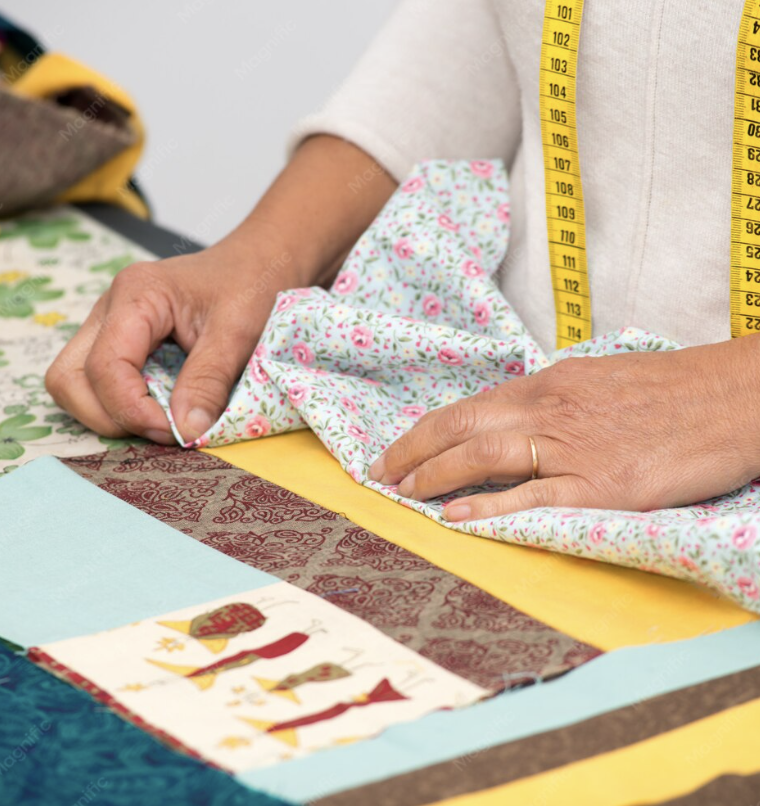
Because textile work is tactile and labor-intensive, it embodies time and effort. This increases emotional attachment. Additionally, quilting communities are relational and often tight-knit. Social feedback therefore carries greater weight.
The emotional risk of making art in quilting is intensified by:
- Labor investment
- Community visibility
- Personal storytelling
The Role of Critique in Emotional Safety
Structured critique frameworks reduce emotional harm. Art education research supports critique models that emphasize:
- Description
- Analysis
- Interpretation
- Evaluation
Separating observation from judgment protects both artist and viewer.
When feedback focuses on:
- Value contrast
- Composition
- Saturation
- Movement
- Figure-ground
It shifts critique from personal to structural. This is why visual literacy strengthens emotional resilience.
The Paradox of Artistic Exposure
Research on creativity consistently shows that innovation requires openness to experience. Openness correlates strongly with artistic achievement. But openness also increases sensitivity.
This creates a paradox:
The qualities that make strong artists — sensitivity, perception, reflection — also increase emotional exposure. The emotional risk of making art is built into the creative personality structure.
Managing the Emotional Risk of Making Art
Practical strategies include:
1. Separate Self from Product
The quilt is a result of decisions — not a measure of worth.
2. Normalize Rejection
Juried processes are comparative, not absolute.
3. Seek Structured Feedback
Focus on design language rather than general opinion.
4. Maintain Iterative Practice
The more frequently you create, the less each individual piece carries total identity weight.
Why the Emotional Risk Is Necessary
Avoiding risk prevents growth. Creative psychology research suggests that moderate stress combined with intrinsic motivation enhances creative output.
Artistic development requires exposure
Exposure requires courage.
Courage involves risk.
Emotional Risk and Community Responsibility
Because making art involves vulnerability, community response matters. Respectful critique, thoughtful dialogue, and generosity strengthen creative ecosystems.
Casual cruelty discourages participation. Constructive engagement encourages evolution.
In quilting communities — especially at exhibitions — emotional intelligence is as important as technical skill.
The emotional risk of making art is not accidental. It is structural.
Art requires:
- Uncertainty
- Identity exposure
- Public visibility
- Evaluation