


Quilting is more than just a craft; it’s a vibrant form of self-expression that blends creativity with tradition. For the modern quilter, finding fresh ways to ignite quilting creativity can be as rewarding as the quilting process itself. Incorporating daily routines that nurture creativity for quilters can transform mundane moments into inspiring opportunities. From setting aside time each day to work on new patterns to exploring online quilting classes that broaden your skills, there are countless ways to enrich your quilting journey. Join us as we explore practical tips and routines that can help spark creativity, enriching your quilting experience and offering new perspectives on this beloved art form.

Building Daily Routines
Establishing daily routines can significantly boost your quilting creativity. Let’s explore some practical ways to incorporate quilting into your everyday life.
Morning Rituals for Quilters
- Start your day with a burst of quilting inspiration. Set aside 15-30 minutes each morning to engage with your craft.
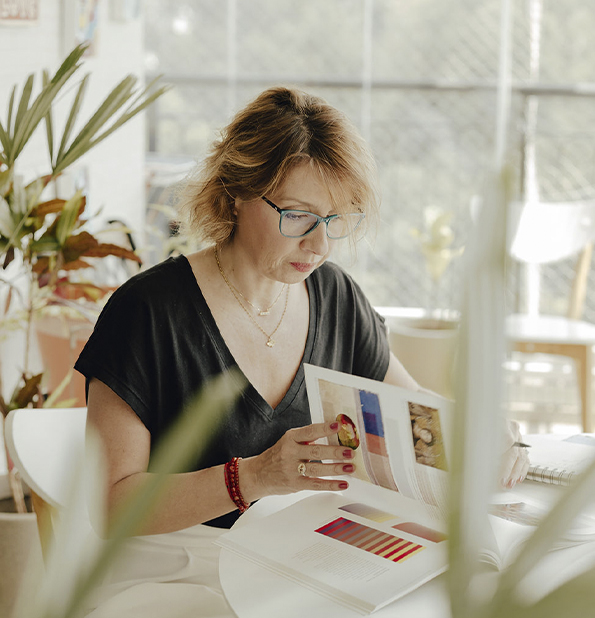
- Browse quilting magazines or Pinterest boards while sipping your morning coffee. This gentle start can spark ideas for your next project.
- Keep a quilting journal nearby to jot down any sudden inspirations. You might be surprised how productive these early morning sessions can be.
- Suzy Quilts suggests that even a quick sketch or fabric pairing exercise can set a creative tone for the day.
Evening Wind Down Techniques
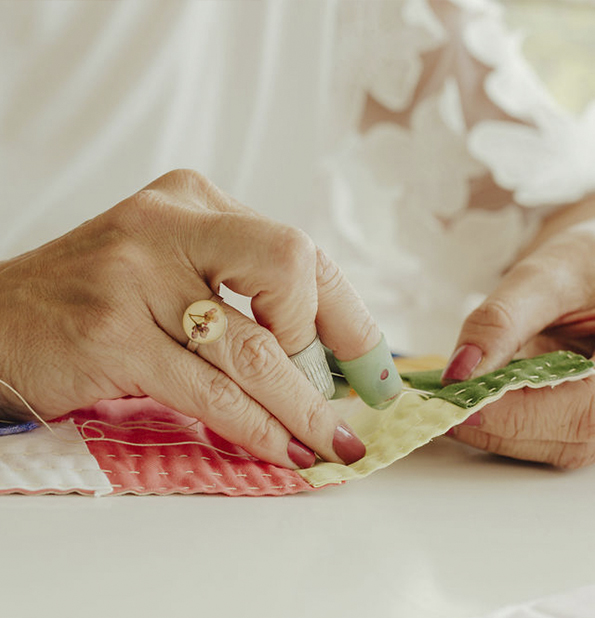
Quilting can be a relaxing way to unwind after a busy day. Create a calming evening routine that incorporates your passion. Set up a small project near your favorite chair. As you relax in the evening, work on hand-stitching or binding. Listen to quilting podcasts or audiobooks while you work. This can be both relaxing and educational.
Remember, the goal is to end your day on a positive, creative note. Even 20 minutes of quilting before bed can improve your mood and sleep quality.
Squeeze in Creative Breaks
Don’t underestimate the power of short, creative breaks throughout your day. These mini-sessions can keep your quilting creativity flowing.
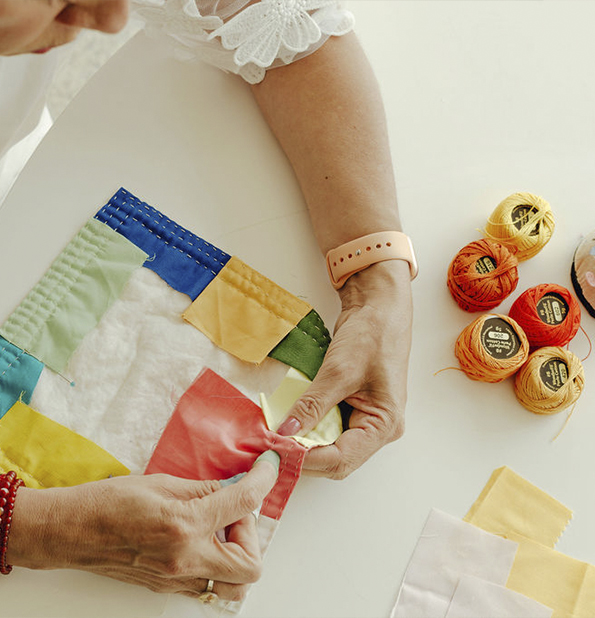
Keep a small quilting project in your bag for unexpected free moments. A few blocks or some English paper piecing can be perfect for these occasions. Use your lunch break to sketch quilt designs or browse fabric swatches online. These quick creative exercises can refresh your mind for the afternoon ahead.
Consider setting a reminder on your phone to take a 5-minute “quilt break” every few hours. This consistent engagement with your craft can lead to surprising bursts of creativity.
Creating a Quilting Space
A dedicated quilting space can significantly enhance your creativity and productivity. Let’s look at how to create the perfect quilting environment.
Organizing Your Supplies
An organized workspace is key to maintaining a creative flow. Proper organization can save time and inspire new ideas.
- Invest in clear storage containers to keep fabrics visible and accessible. Group fabrics by color or project to make selection easier.
- Use pegboards or magnetic strips to keep tools within reach. This not only saves space but also creates an inspiring visual display of your quilting arsenal.
- Consider a rotating system for your stash. Bringing different fabrics to the forefront each week can spark fresh combinations and ideas.

Lighting and Ambiance Tips
- Good lighting is crucial for accurate color matching and detailed work. Natural light is ideal, but not always available.
- Position your workspace near a window if possible. For artificial lighting, invest in daylight bulbs that mimic natural light.
- Consider task lighting for your sewing machine and cutting area. Adjustable lamps can help reduce eye strain during long quilting sessions.
- Don’t forget about ambiance. Play soft background music or use a diffuser with your favorite scent to create a pleasant quilting atmosphere.
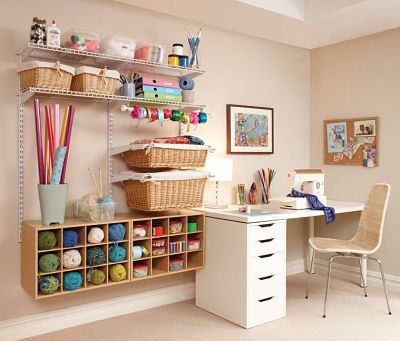

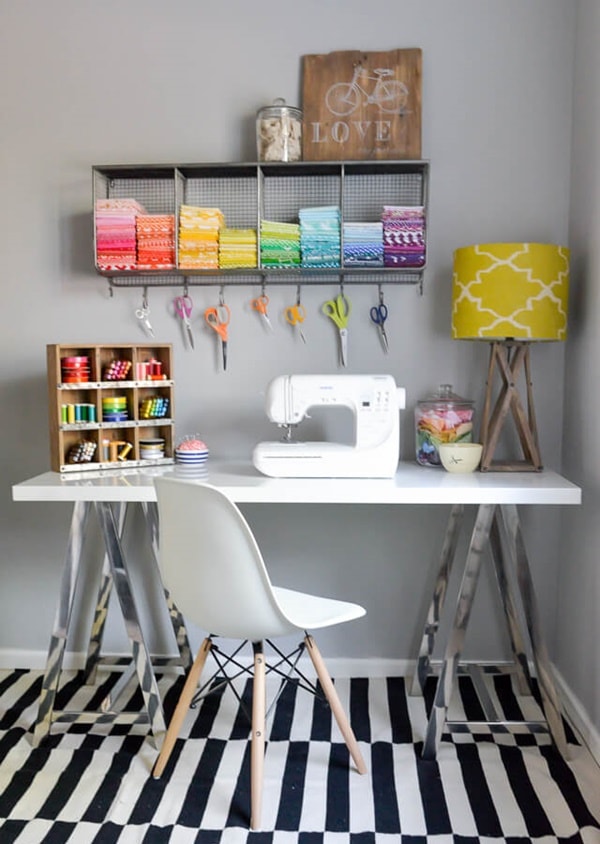
Personalizing Your Workspace
- Make your quilting space a reflection of your personality and style. This personal touch can boost creativity and make you eager to spend time there.
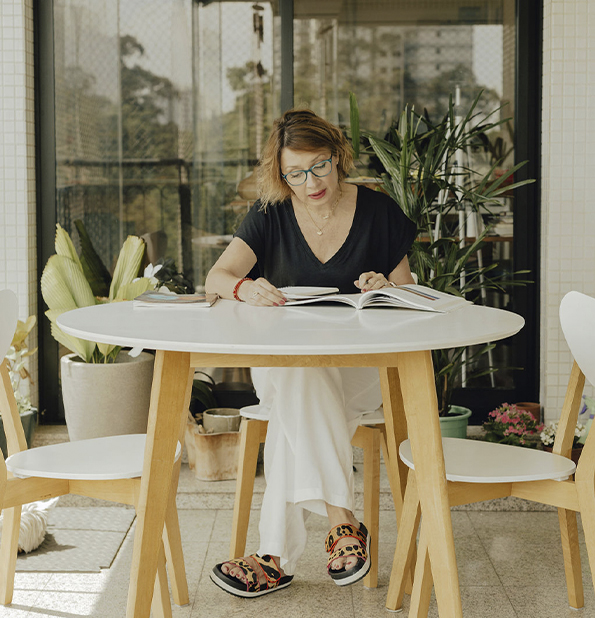
- Display your favorite quilts or quilt blocks on the walls. This not only adds color but also serves as inspiration for future projects.
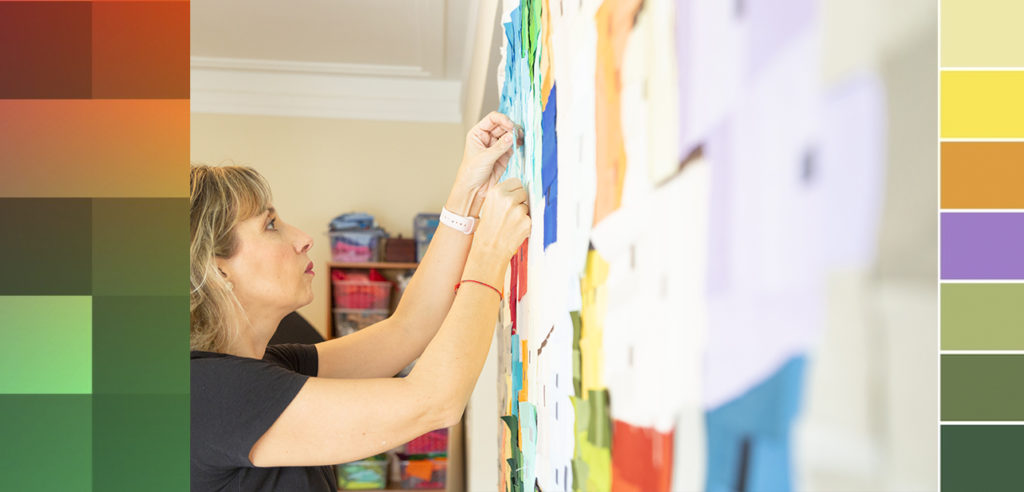
- Create a mood board with fabric swatches, patterns, and images that inspire you. Update it regularly to keep your creative juices flowing.
- Add plants or flowers to your space. They not only improve air quality but can also provide color inspiration for your quilts.
Techniques to Spark Creativity
Exploring new techniques can reignite your passion for quilting and lead to exciting discoveries. Let’s dive into some methods to boost your creativity.
Experimenting with Color Combinations
- Color plays a crucial role in quilting. Trying new color combinations can lead to unexpected and beautiful results.
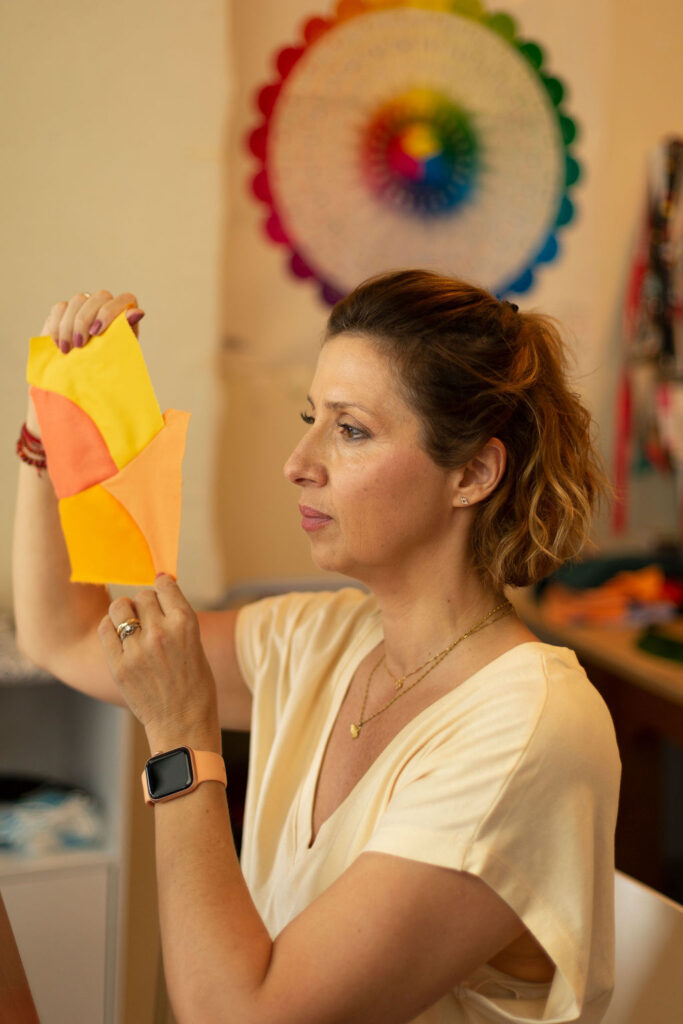
- Use a color wheel to explore complementary and analogous color schemes. This can help you move beyond your usual color comfort zone.
- Try the “fabric pull” technique: choose one multi-colored print and pull solids or small prints that match each color in it. This can create cohesive but interesting color palettes.
- Don’t be afraid to mix unexpected colors. Sometimes the most striking quilts come from bold, unconventional color choices.

Trying New Quilting Patterns
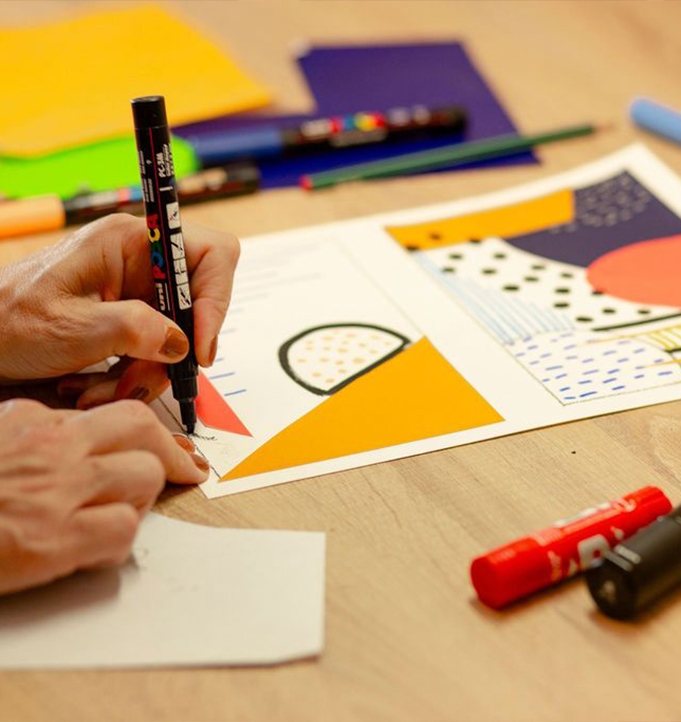
- Exploring new patterns can challenge your skills and spark fresh ideas. There’s always something new to learn in quilting.
- Start with a pattern that’s slightly outside your comfort zone. This could be a new block design or a different quilting style.
- Carolina Oneto recommends trying at least one new technique in each quilt you make. This constant learning keeps your quilting journey exciting.
- Consider participating in quilt-alongs or challenges. These often introduce you to new patterns and techniques while providing community support.
Mixing Textures and Fabrics
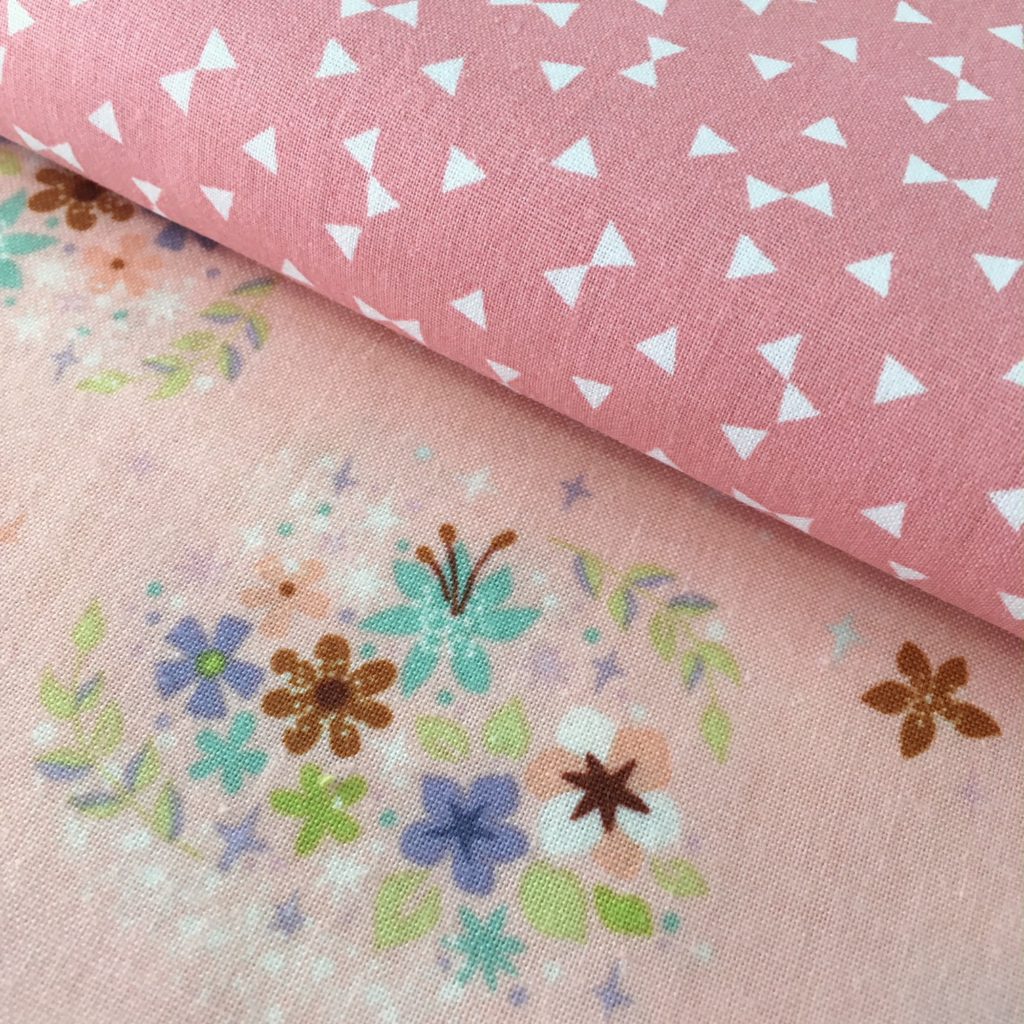
- Incorporating different textures and fabric types can add depth and interest to your quilts. This technique can transform even simple patterns into unique creations.
- Experiment with mixing cotton prints with textured solids like linen or velvet. The contrast can create visual and tactile interest.
- Try incorporating unconventional materials like denim, silk, or even leather into your quilts. This can lead to exciting new design possibilities.
- Remember to consider the care requirements when mixing fabrics. Some combinations might require special washing or quilting techniques.

The Power of Quilting Classes
Structured learning can significantly enhance your quilting skills and creativity. Let’s explore the benefits of quilting classes and how to make the most of them.
Online Quilting Classes for All Levels
The digital age has made quilting education more accessible than ever. Online classes cater to all skill levels and interests.
Beginner classes often cover basics like choosing fabrics, cutting accurately, and piecing techniques. These are perfect for those just starting their quilting journey. Intermediate and advanced classes might focus on specific techniques like free-motion quilting, appliqué, or designing your own patterns.
Many online platforms offer self-paced courses, allowing you to learn at your own speed and revisit lessons as needed.


Connecting with the Quilting Community
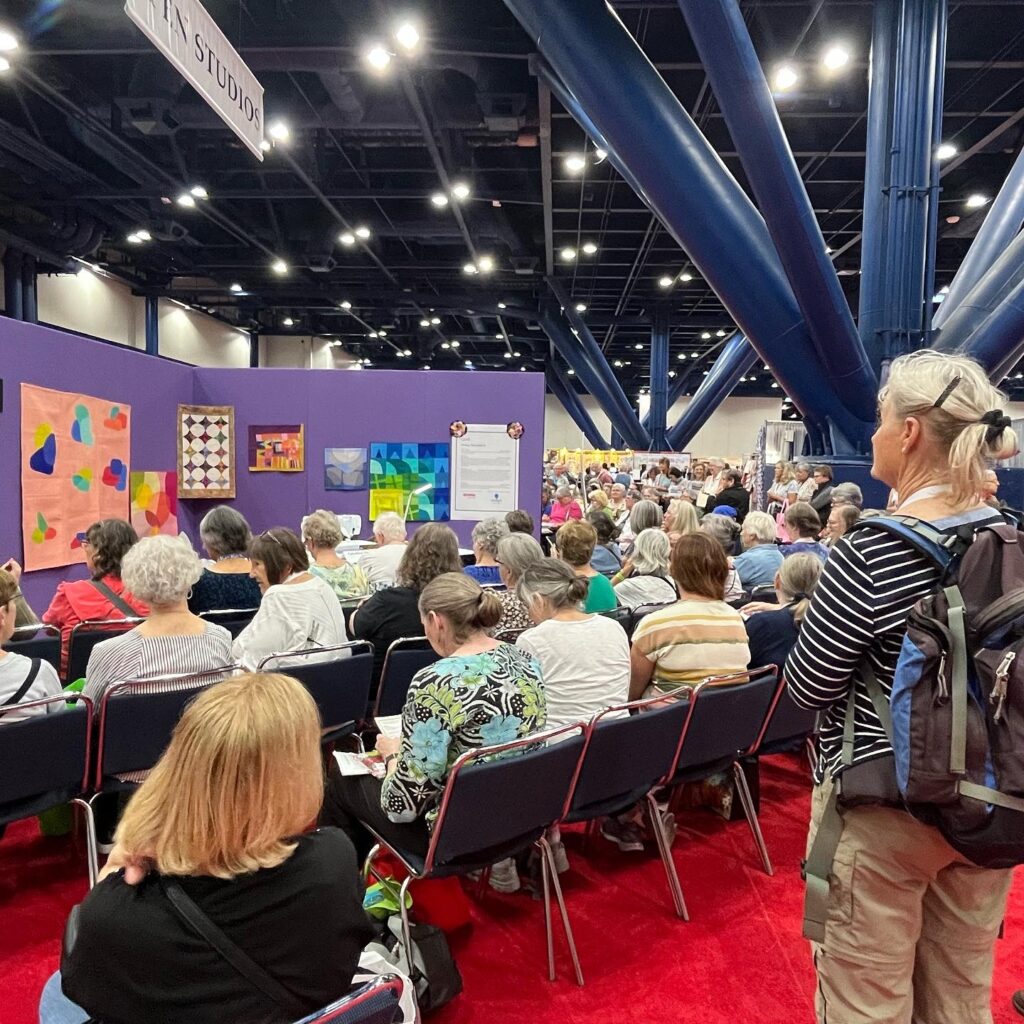
Quilting classes, whether online or in-person, offer valuable opportunities to connect with fellow quilters. Participate in class forums or social media groups to share your progress and get feedback from classmates. Some online classes include live Q&A sessions with instructors, allowing you to get real-time answers to your quilting questions.
These connections can lead to lasting friendships, quilting buddies, and a support network that extends beyond the class itself.
Scheduling Your Creative Time
Consistent practice is key to improving your quilting skills and maintaining creativity. Let’s look at how to effectively schedule your quilting time.
Prioritizing Quilting Sessions
Making time for quilting amidst busy schedules can be challenging, but it’s crucial for progress and enjoyment. Block out specific times for quilting in your calendar, just as you would for any other important appointment.
I See Stars Quilting suggests starting with small, manageable time blocks. Even 15-30 minutes of focused quilting time can be productive.
Consider waking up a bit earlier or using part of your lunch break for quilting. Consistency is more important than long, infrequent sessions.
Balancing Routine and Spontaneity
While routine is important, leaving room for spontaneous creativity can keep your quilting exciting and fresh.
- Stick to your scheduled quilting times, but allow flexibility in what you work on during those times.
- Keep a list of small quilting tasks for when you have unexpected free time. This could include cutting fabric, pressing seams, or sketching design ideas.
- Don’t be afraid to follow sudden bursts of inspiration, even if they don’t align with your current project plans.
Setting Achievable Quilting Goals
Setting goals can help maintain motivation and track your progress in quilting. Start with small, specific goals. For example, “Finish piecing one quilt block per week” or “Learn one new quilting technique this month.”
Quilting Daily’s 30-day challenge is a great way to kickstart a goal-setting habit.
Regularly review and adjust your goals. As you improve, your goals should evolve to keep challenging you.
Remember to celebrate your achievements, no matter how small. Each completed goal is a step forward in your quilting journey.
