

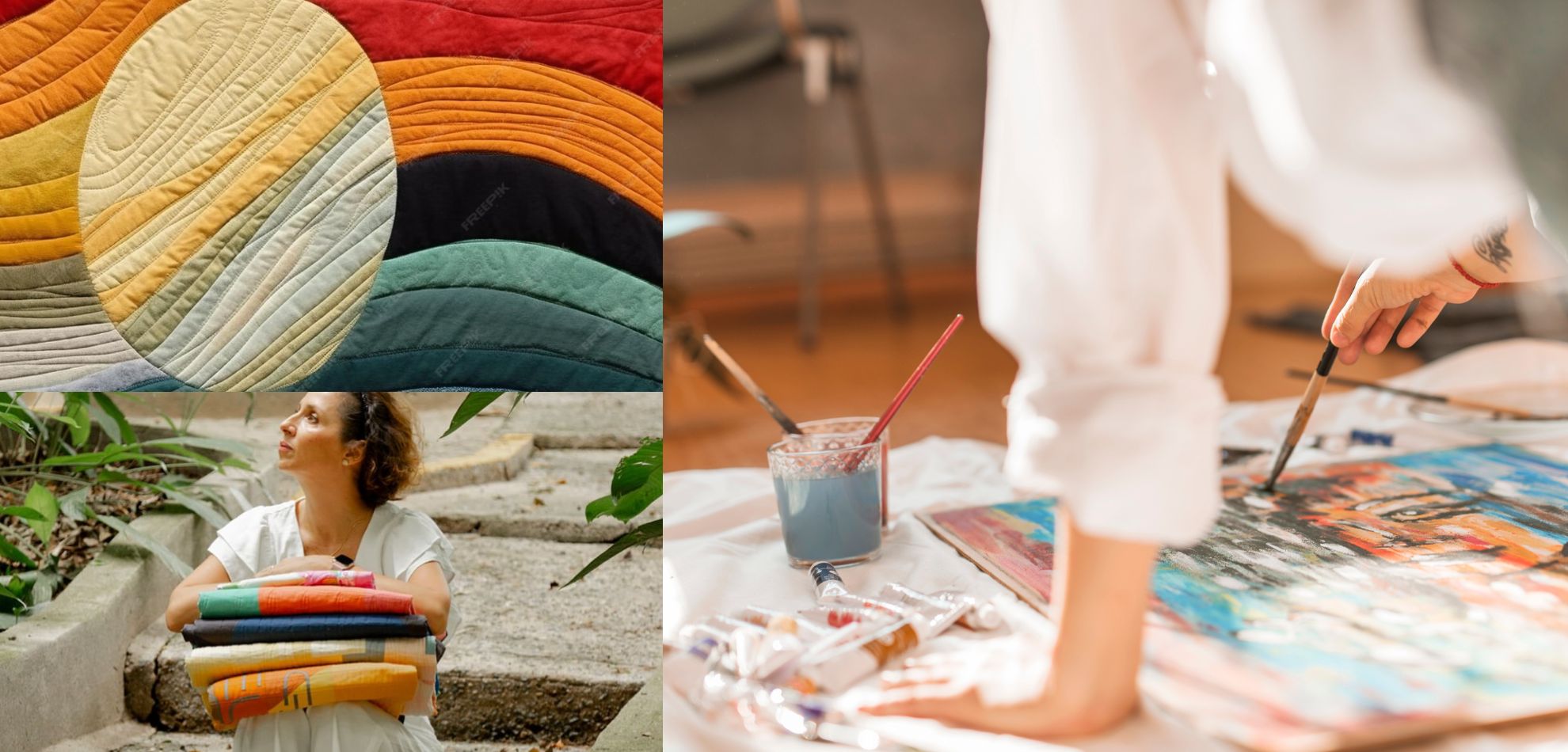
Creating is not a hobby. It is not extra. It is not indulgent.
Creative practice — whether quilting, painting, sewing, drawing, designing, writing, or composing — is deeply connected to how humans regulate emotion, build resilience, and construct meaning.
In my own work as a textile artist and educator, I see this repeatedly: when students begin moving color across a design wall, cutting organic shapes, or sewing curves, something shifts internally. The work is external — but the transformation is internal.
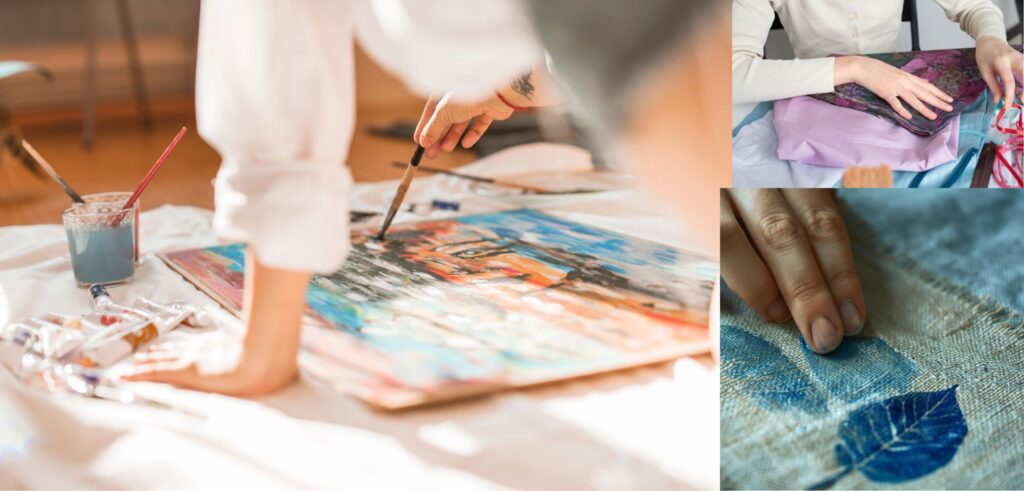
Creativity Supports Mental Health and Stress Regulation
Research shows that making art reduces cortisol, the primary stress hormone. A 2016 study published in Art Therapy: Journal of the American Art Therapy Association found that just 45 minutes of art-making significantly lowered stress levels — regardless of artistic experience.
This aligns with what many quilters instinctively know:
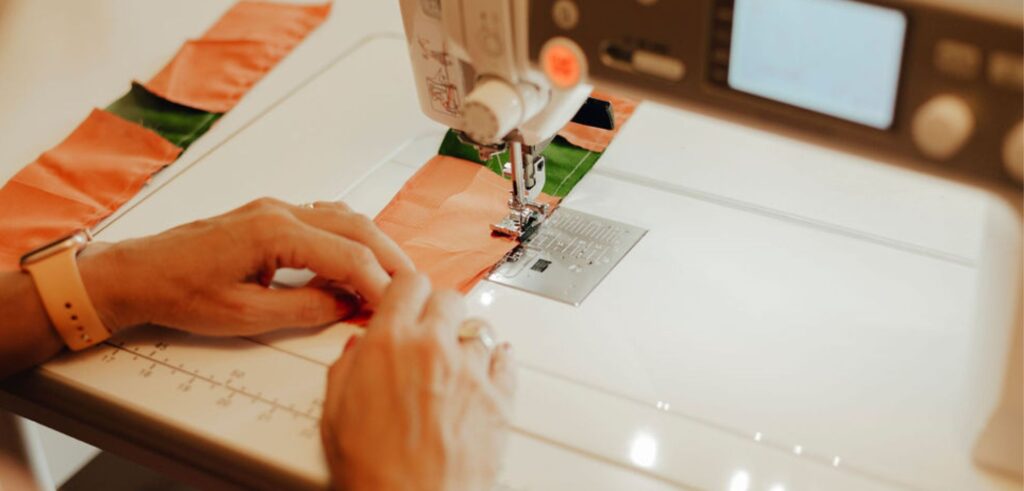
- The repetitive motion of stitching, the rhythm of sewing lines ¼” apart, the physical act of cutting fabric — all of this grounds the nervous system.
- Creative practice activates the parasympathetic nervous system — the body’s “rest and restore” state.
- Quilting, in this sense, is not simply craft. It is embodied regulation.
The Role of Flow in Creative Resilience
Psychologist Mihaly Csikszentmihalyi introduced the concept of flow — the state of deep absorption where time shifts and self-consciousness quiets.
When we are designing a composition, adjusting value relationships, or experimenting with hue and saturation, we enter that state of focused immersion.
Flow contributes to:
- Increased well-being
- Reduced rumination
- Stronger emotional resilience
- Greater problem-solving flexibility
Quilting demands adaptive thinking. We respond to unexpected color interactions, adjust proportion, rebalance composition. Creativity trains flexibility — and flexibility builds resilience.
Color Theory and Emotional Experience
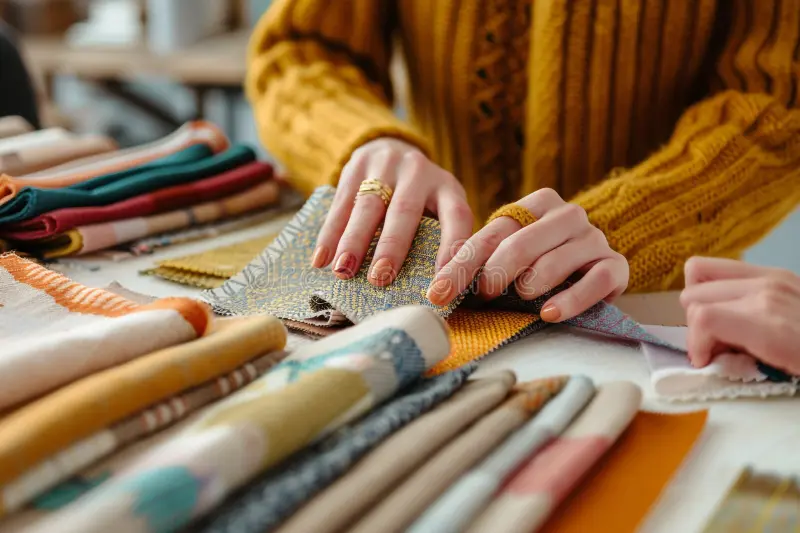
Color is not decorative. It is psychological.
In my article The Psychology of Color in Quilting: How to Choose the Perfect Palette, I explore how hue, value, and saturation influence mood, perception, and emotional response.
Color affects:
- Emotional tone
- Perceived warmth or coolness
- Energy levels
- Visual depth
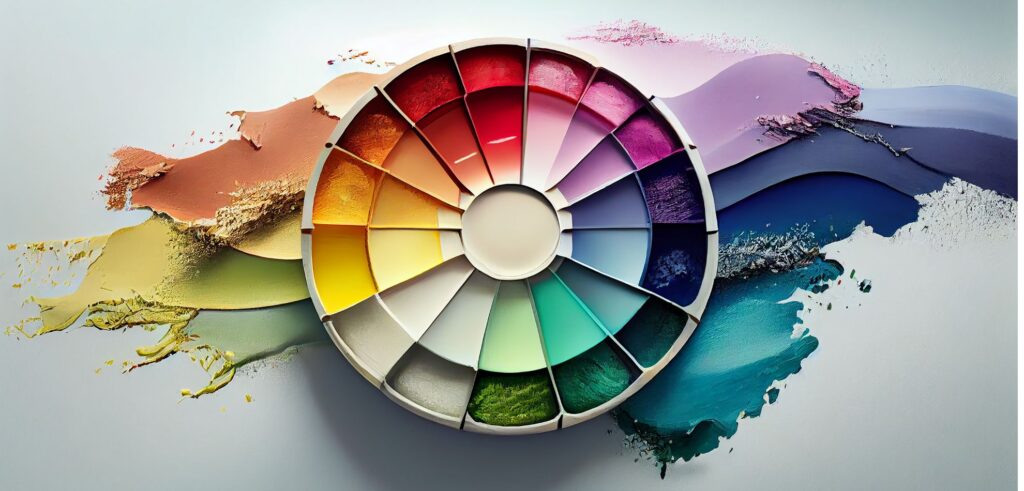
This is something I also explore deeply in my workshops on design and in classes such as Color Alchemy, where we experiment with saturation shifts and value contrast to create luminosity and movement.
The principles I teach are deeply influenced by Josef Albers’ Interaction of Color, which demonstrates that color is relational — it changes depending on context.
When we move color intentionally across the design wall, we are shaping emotional environments. We are designing experience.
Creativity as Meaning-Making
Psychiatrist Viktor Frankl argued in Man’s Search for Meaning that the primary human drive is not pleasure, but meaning. Art allows us to transform experience into something visible and tangible.
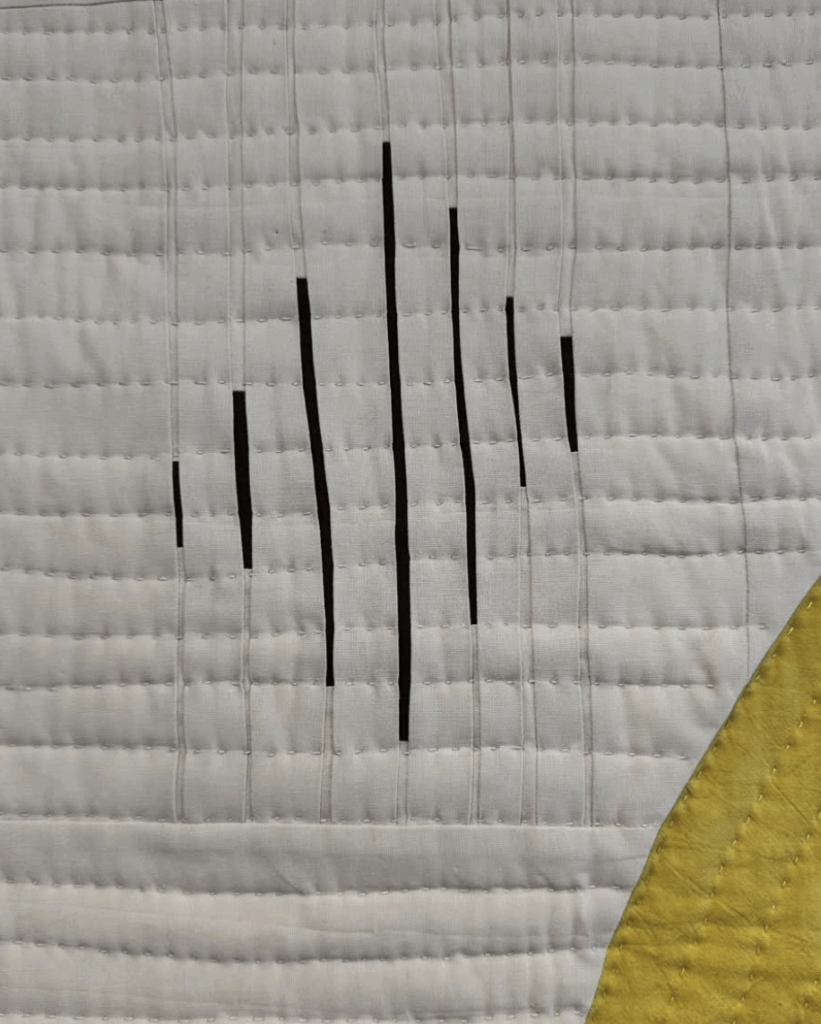
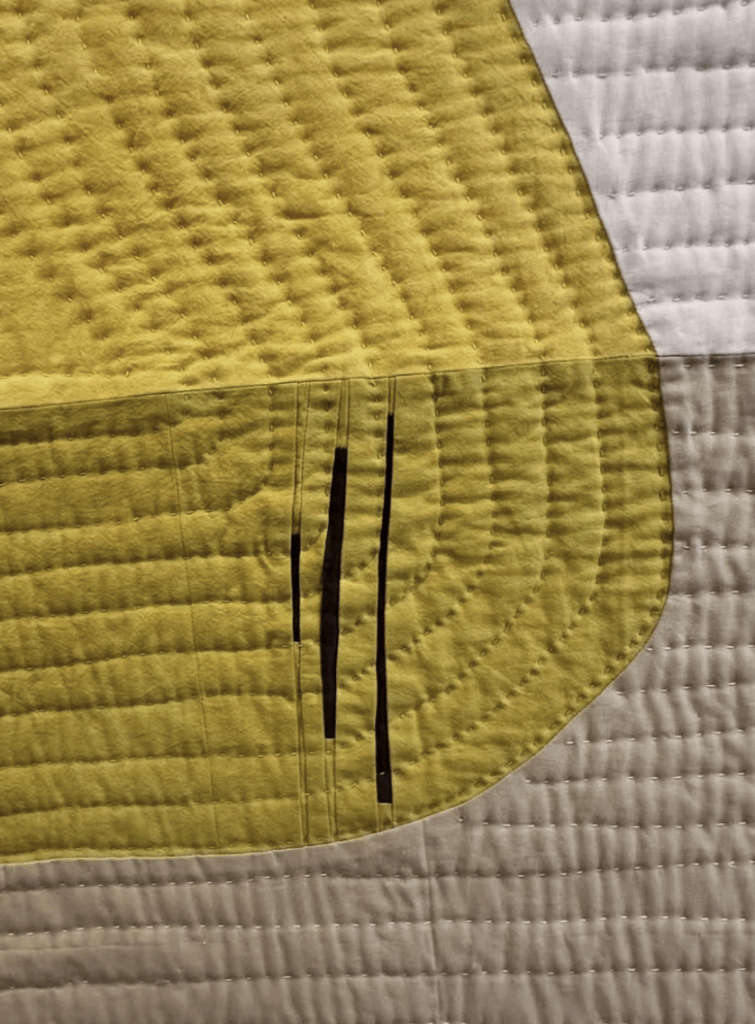
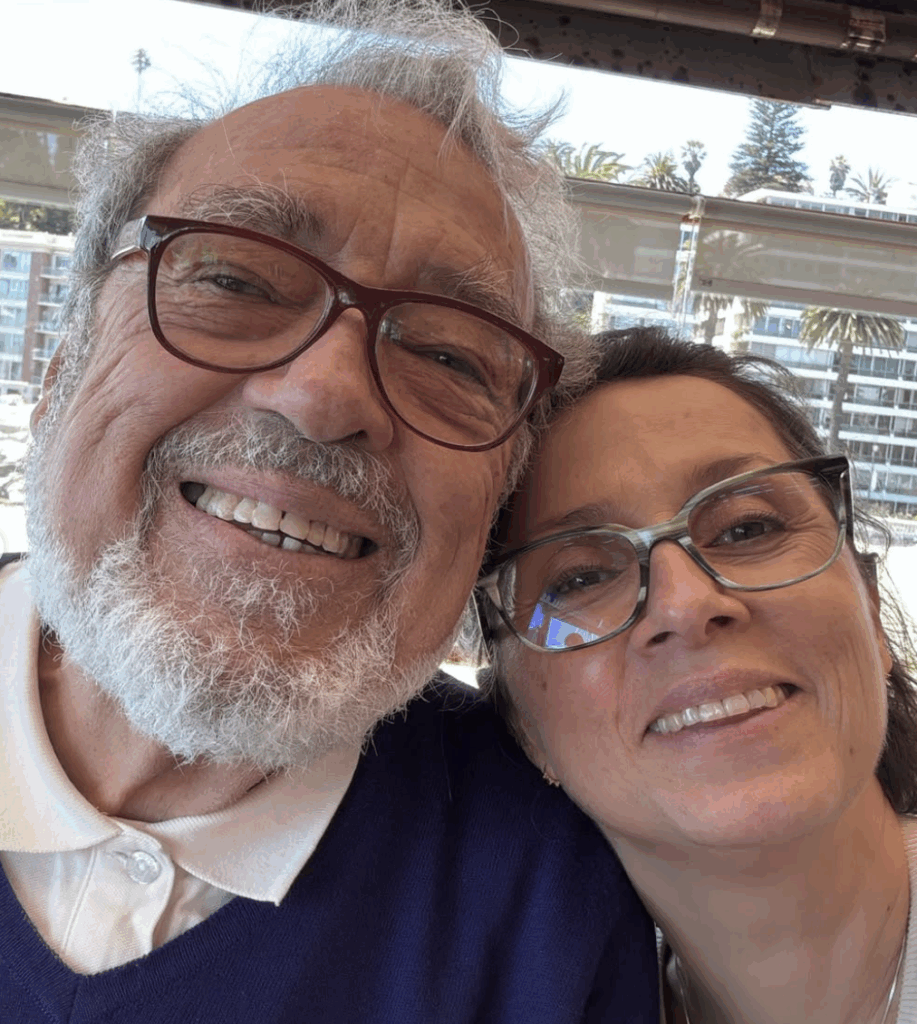
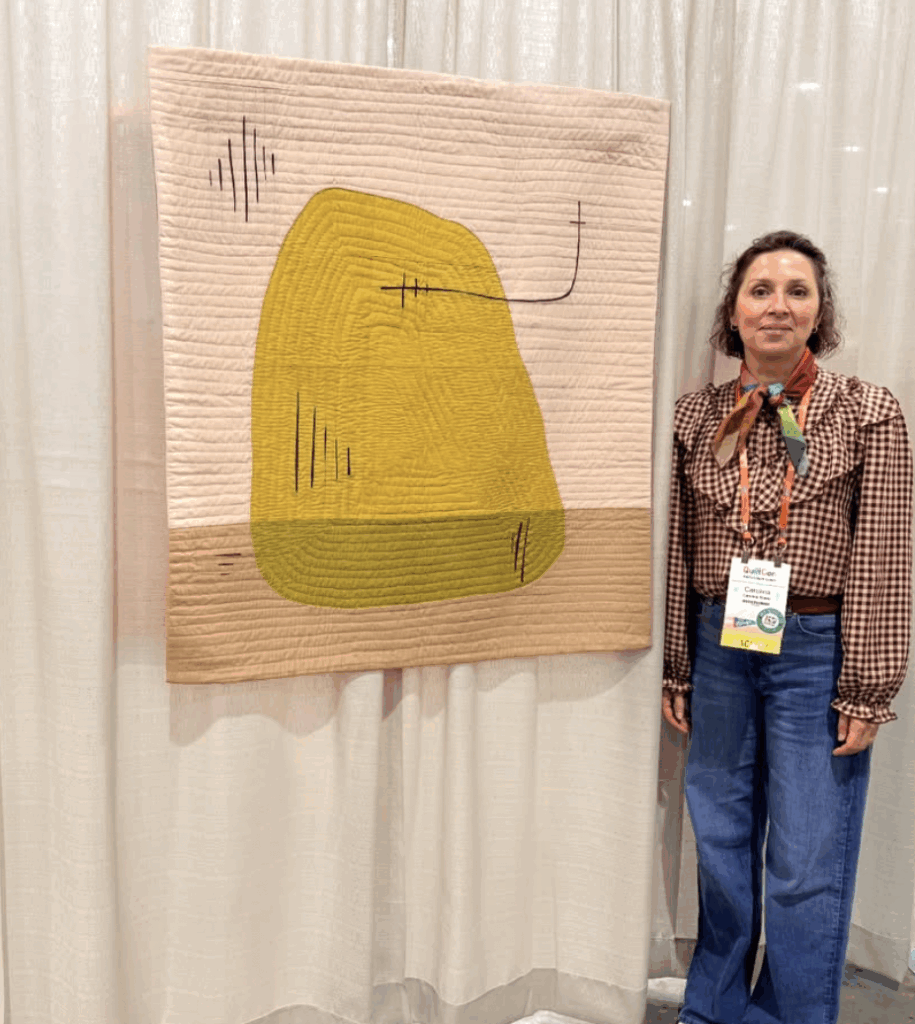
When I created Stone, inspired by my father’s strength and endurance, the quilt became more than a minimalist composition. It became narrative. Memory. Tribute.
When I stitched Casagrande, I was processing memories of São Paulo through geometry and color relationships. Creative work becomes a container for experience.
It helps us metabolize:
- Change
- Grief
- Joy
- Migration
- Identity
- Memory
Quilting and Community: The Power of Shared Making
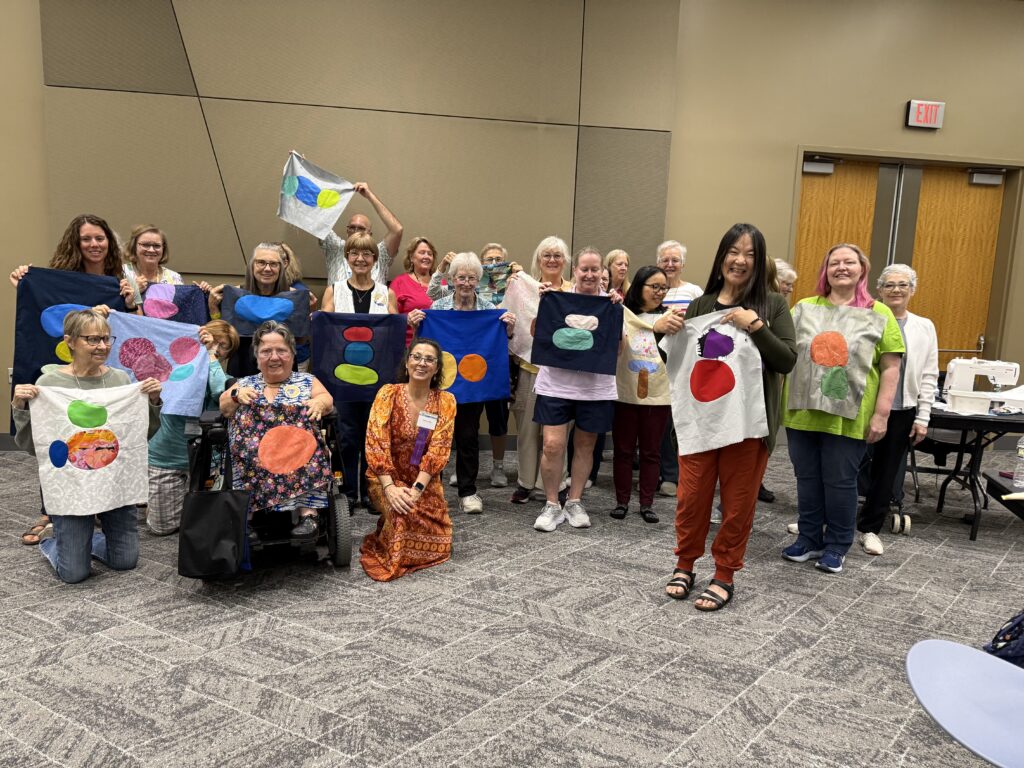
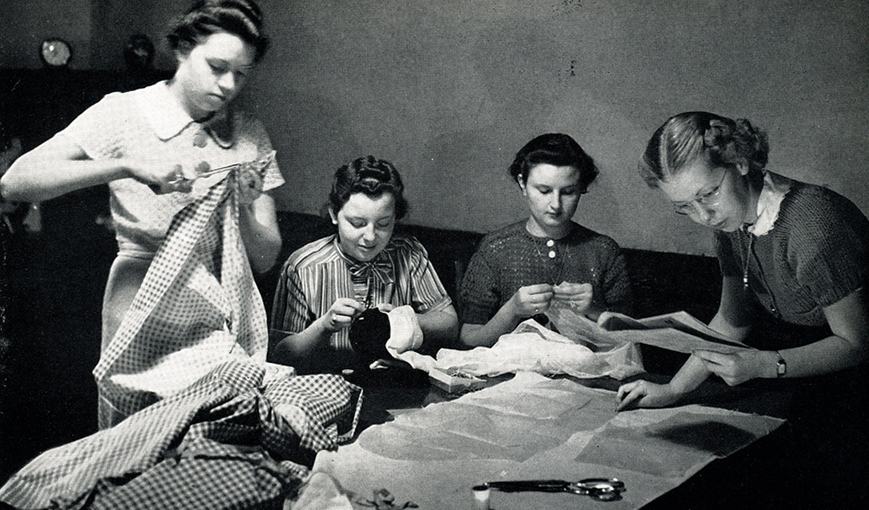
Today, modern quilting communities — guilds, workshops, retreats, exhibitions — continue that tradition.
Social connection is one of the strongest predictors of long-term well-being, as shown by the Harvard Study of Adult Development.
When we show our quilts publicly, we are vulnerable. When we respond with kindness, we strengthen creative ecosystems. Creating connects us — across countries, languages, and generations.

Beauty Is Not a Luxury — It Is Necessary
There is a common misconception that art is secondary — something to pursue only after “real” responsibilities are handled.
But neuroscientific research shows that experiencing beauty activates reward pathways associated with pleasure, meaning, and motivation.
Beauty restores. Creating beauty — especially during uncertain or heavy times — is not denial. It is response. When we stitch, when we design, when we build luminosity with fabric, we are participating in an act of hope.
Why We Must Keep Creating
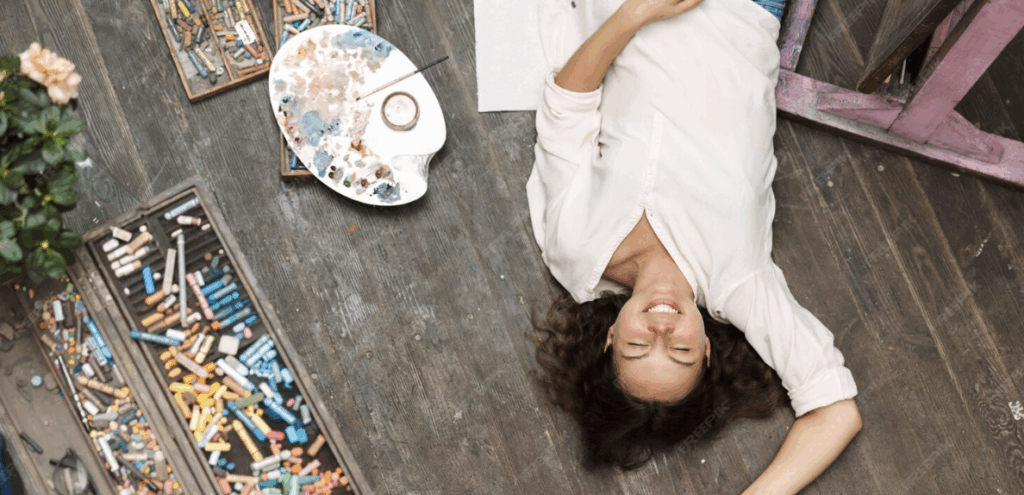
We need to create because:
- Our nervous systems need regulation
- Our minds need flexibility
- Our hearts need meaning
- Our communities need connection
- The world needs beauty
Creative practice is not separate from life. It is how we process life.
If you are feeling overwhelmed, begin small:
- Choose two fabrics.
- Cut one organic shape.
- Sew for ten minutes.
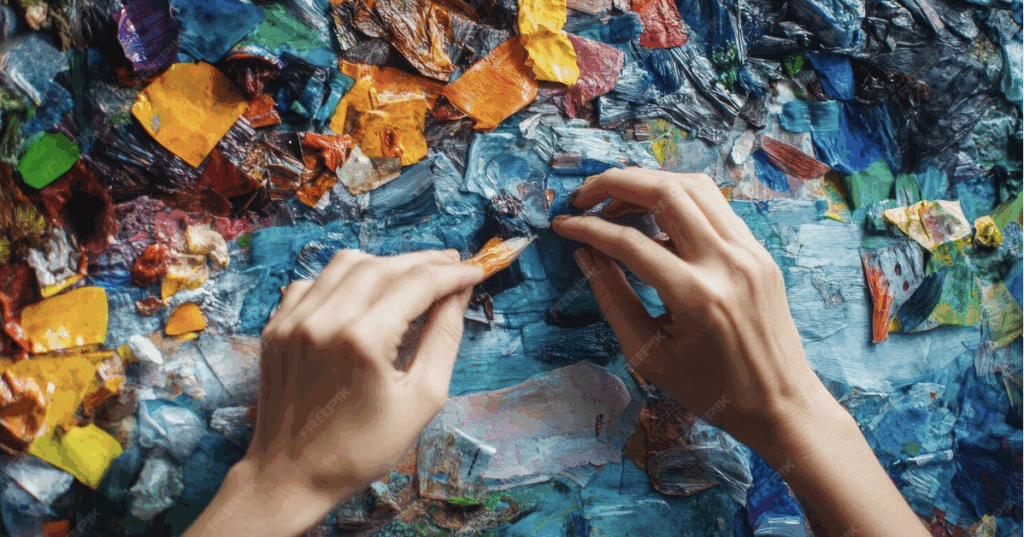
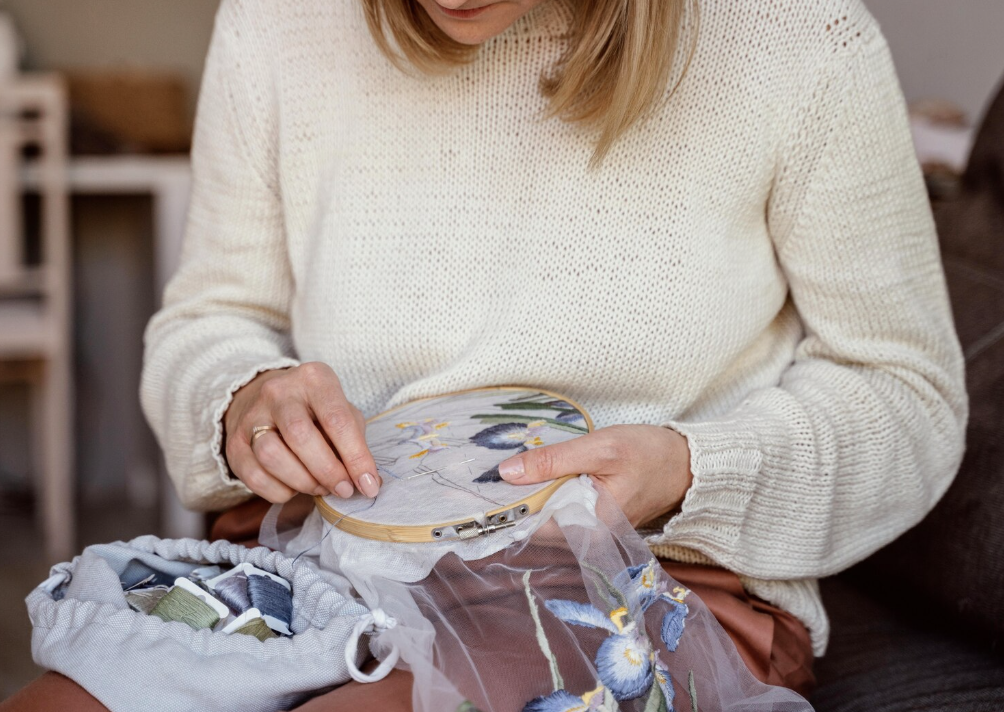
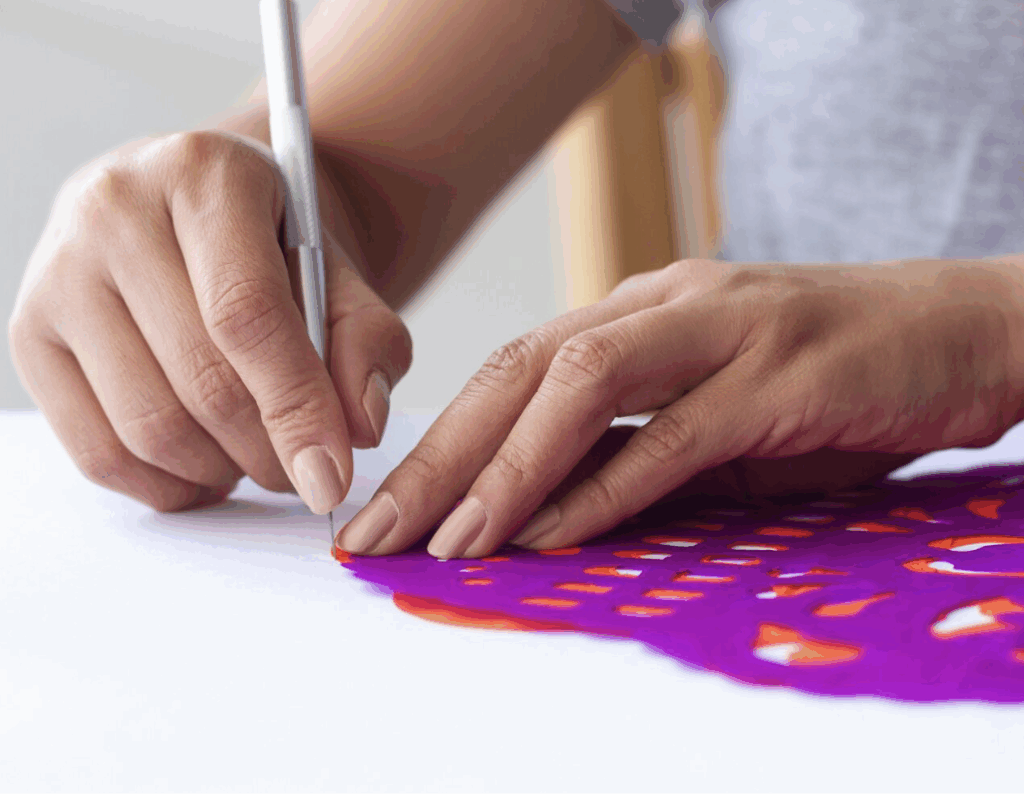
Creation does not require perfection. It requires presence. And presence changes everything.
Further Reading on My Blog
- The Psychology of Color in Quilting: How to Choose the Perfect Palette
- (You could also internally link here to any post about design wall composition, improvisation, or your Elements & Principles content if you’d like.)